
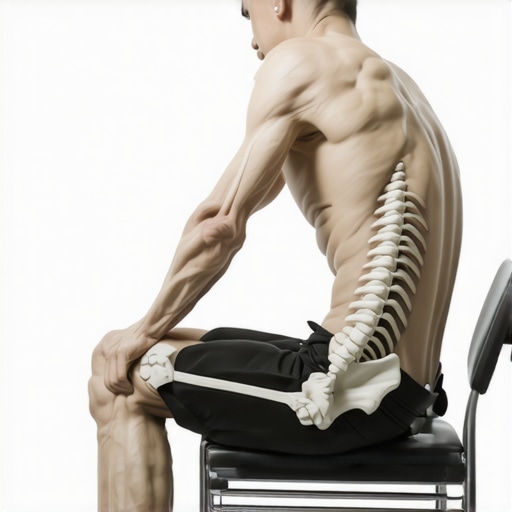
You know that feeling all too well—you’re at your desk, typing away or scrolling through your phone, and suddenly, a sharp, nagging pain shoots through your lower back. It’s as if your spine has a mind of its own, protesting the very act of sitting. One day, I finally had that lightbulb moment during a chiropractic session — realizing that my lower back wasn’t just complaining about a bad posture but was crying out because of a silent, cumulative damage happening every time I sat for too long. That realization changed everything for me, and I bet it can do the same for you.
Decoding the mystery of sitting-induced back pain
This problem is incredibly common yet surprisingly misunderstood. Many of us dismiss lower back discomfort as a temporary annoyance or just part of aging. But the truth is, prolonged sitting can lead to muscle imbalances and nerve compressions that don’t just cause pain—they could be affecting your overall mobility and quality of life. The frustrating part is, the pain often surfaces only after sitting, catching you off guard and making you wonder what you did wrong. The good news? We can address this pattern and learn to sit smarter, so your back stops shouting after every work session.
Is this all just hype? The real story behind sitting and back pain
Early on, I made the mistake of ignoring my body’s signals—thinking that a supportive chair or a quick stretch would solve everything. Turns out, I was missing a crucial piece: understanding how my daily habits and posture habits compounded over time. Scientific research supports this insight; studies have shown that prolonged sitting is linked to decreased mobility and increased spinal stress, which can lead to chronic pain if left unaddressed (source). So, if you’ve ever wondered whether this discomfort is just a temporary phase or something more serious, you’re not alone—and there’s a way out.
Today, I promise to guide you through practical steps rooted in real experience and expert advice to break this cycle. Together, we’ll uncover actionable techniques to improve your posture, boost mobility, and ultimately, say goodbye to that pesky lower back ache after sitting. Are you ready to change how you sit and feel? If you’ve faced this issue, keep reading — because relief might be just a few smart moves away.
Start with targeted mobility exercises
Improving your spinal and hip mobility is essential. I remember one morning trying a simple hip opener from a targeted mobility routine. I set aside five minutes, lying on my side and gently rolling my hips while focusing on deep breathing. The result? I felt a noticeable release in my lower back and hips, which reduced discomfort throughout the day. Incorporate daily mobility drills—focusing on hips, thoracic spine, and shoulders—to restore movement and reduce strain. Use a combination of dynamic stretches and controlled movements to prevent muscles from becoming stiff and tight.
Strengthen your core to support your spine
Core stability acts like the central support beams of a building—without it, everything becomes unstable. I started doing planks and gentle Pilates-inspired workouts from chiropractic-guided routines that focus on deep abdominal and back muscles. Initially, my form was messy, and I wobbled more than I held the position. But consistent effort strengthened my core, which took pressure off my lower back during prolonged sitting. Aim for 10-minute core sessions three times a week, focusing on quality rather than quantity, to build resilience and prevent pain.
Perfect your sitting posture actively
Passive corrections only go so far; active engagement is key. I remind myself to sit with my pelvis slightly tilted forward, engaging my core and anchoring my tailbone. I use visual cues—like a mirror or a photo—to check alignment during work. To reinforce this habit, I apply tips from posture correction strategies, adjusting my chair height and monitor position so that my eyes align with the top third of the screen, eliminating neck strain. This dynamic approach ensures your muscles stay active and support proper alignment throughout the day.
Use breathing and relaxation techniques to relieve tension
Deep diaphragmatic breathing helps reduce muscular tension accumulated from poor posture. I practice the breath reset daily, inhaling slowly through my nose, filling my belly, and exhaling completely. This calms the nervous system, relaxing contracted muscles in the lower back and pelvis. Incorporate a 2-minute breathing exercise before and after sitting periods to maintain muscle elasticity and prevent tightness. This simple habit can drastically cut down on postural stress and discomfort.
Implement micro-movements throughout your day
Staying constantly in one posture is a prime cause of pain. I set reminders to stand, stretch, and move every 30 minutes, mimicking natural patterns of movement. This could be a quick walk around the room, leg swings, or torso twists like those recommended in mobility boost tips. One of my messiest attempts involved balancing on one leg while reaching for a high shelf—challenging my stability but yielding excellent spinal engagement. With consistent micro-movements, you distribute mechanical stress evenly and keep tissues healthy, preventing stiffness and pain.
Seek professional guidance for sustained correction
While these steps are effective, consulting a chiropractor can accelerate your progress. I experienced immediate relief after a few targeted adjustments from chiropractic care, which addressed underlying misalignments. Regular check-ins help maintain spinal health and correct habitual postures. Combining self-care with professional support creates a comprehensive approach to combat sitting-related back pain and improve mobility long-term.
Beyond the Basics: Uncovering Hidden Nuances in Spinal Health
Many believe that simply stretching or getting occasional chiropractic adjustments are enough to maintain healthy mobility and posture. However, this oversimplification can lead to costly mistakes. One common myth is that any posture correction or mobility drill will work equally well for everyone. In reality, individual differences in anatomy, movement patterns, and habits mean that what benefits one person might not suit another—highlighting the importance of personalized assessments.
Another misconception is that frequent chiropractic adjustments alone will permanently fix postural issues. While adjustments can provide immediate relief and realignment, ongoing lifestyle factors such as repetitive movements and habitual positions play a crucial role in sustained improvements. Neglecting these aspects can result in a cycle of temporary fixes without addressing root causes. For a comprehensive approach, integrating targeted mobility exercises and deliberate ergonomic changes is essential. For example, focusing on mobility routines tailored to your specific restrictions, like those outlined in mobility routines, can unlock lifelong benefits.
Beware of the trap: relying solely on passive corrections
One of the most insidious mistakes is assuming that passive corrections—such as wearing orthotics or relying entirely on adjustments—are enough without active engagement. This trap can lead to dependency, weakening your muscles and ligaments over time, which paradoxically worsens alignment issues. Instead, coupling passive interventions with active strength training and movement education reinforces stability and resilience. Moreover, studies, like the one published in the Journal of Manipulative and Physiological Therapeutics, show that active participation in posture correction yields better long-term results (source). Don’t fall into the trap of passivity—your body needs your active involvement for true progress.
What advanced insights can improve your posture journey?
For those ready to go beyond surface fixes, understanding neuro-motor control and proprioception is vital. Improving these subtle systems can significantly enhance posture and movement efficiency. For example, practicing balance and coordination drills—like standing on one leg or slow controlled movements—can retrain neural pathways, making correct posture habitual. Engaging with a holistic view, including breathing techniques from breath work and mindful movement, reinforces structural stability from within. Remember, advancing your knowledge and integrating these nuances sets the stage for sustainable mobility and pain-free living. Have you ever fallen into this trap? Let me know in the comments or reach out through contact.
Maintaining good posture and mobility over the long term requires more than just occasional stretches or adjustments; it calls for reliable tools and consistent routines. One of my personal favorites is the use of a **Foam Roller**. I use a medium-density foam roller daily to release my lower back and hip tensions. This simple device helps break up fascial adhesions and improves tissue elasticity, making my mobility exercises more effective. For targeting specific trigger points, I prefer a **Perforated Massage Ball**, which penetrates deeper and is especially useful for my upper back and shoulders. Incorporating these tools into my daily routine not only sustains my progress but also prevents setbacks caused by muscle stiffness.
Another invaluable resource is **Mobility Apps** like Pocket Yoga or ROM Coach. I personally rely on ROM Coach for guided routines tailored to my needs, especially after long days at the desk. These apps offer structured mobility workouts that are easy to follow and customizable, ensuring I stay active and aligned. Additionally, maintaining a **Posture Correcting Device**, such as a wearable posture sensor, has been a game-changer. I wear mine during work hours to provide real-time feedback, helping me correct my positioning before bad habits set in.
Looking ahead, I predict that smart technology, like AI-driven posture analyzers, will become more integrated into our daily routines, offering personalized feedback based on real-time data. This evolution could make maintaining mobility even more accessible and precise.
For those wondering, “How do I maintain my mobility routine over time?” I recommend setting up a dedicated workspace with ergonomic adjustments, using tools like adjustable monitor stands and ergonomic chairs. Regularly integrating targeted mobility drills, such as those described in mobility routines, ensures you stay proactive rather than reactive.
If you haven’t tried using a foam roller recently, I encourage you to give it a shot. Roll out your hips or lower back today and feel the difference yourself. Remember, consistency is key—integrate these tools into your daily schedule and watch your mobility and posture improve steadily over time.
The Hardest Lesson I Learned About Maintenance and Habit Formation
Initially, I believed that a few stretching sessions or quick adjustments could solve my lower back issues permanently. Reality checked in when I realized that sustainable mobility requires daily dedication and proactive habits. The key lesson was understanding that consistency outweighs intensity—small, regular movements grounded in awareness can transform discomfort into resilience.
How Small Tools Can Transform Your Posture Journey
Investing in simple tools like a foam roller or a mobility ball revolutionized my approach. These devices help target fascia and muscle adhesions, releasing tension that passive stretches often miss. Combining these with guided routines from mobility exercises crafts a comprehensive approach I trust deeply, turning passive comfort into active progress.
Embracing Mindfulness—A Key to Lasting Change
Deep breathing and mindful movement have been my secret allies. They soothe the nervous system, relax tight muscles, and reinforce muscle memory for proper posture. Integrating breath work into daily routines created a calm foundation for physical changes, reminding me that holistic health balances mind and body in unison.
Curated Resources That Shaped My Approach
My toolkit includes essential guides like chiropractic insights for understanding spinal health, and practical routines from mobility exercises. These trusted sources deepen my understanding and empower me to customize my recovery journey, making each step effective and personalized.
Your Journey Awaits—Take the Next Step with Confidence
Long-term mobility and alignment are within your reach when you embrace consistent action, smart tools, and whole-person awareness. Remember, your body’s capacity for change is powerful—waiting to be unlocked by mindful effort. Commit to small daily improvements, and watch how your posture and comfort transform over time.
What’s one habit you’re willing to start today to improve your mobility or posture? Share your thoughts below—I’d love to hear your first step toward lasting change.
,