
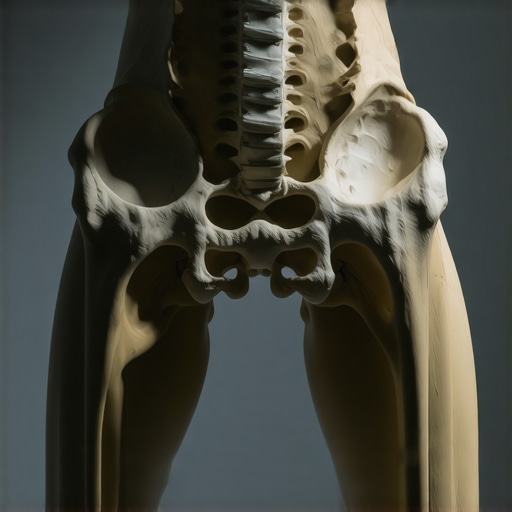
It was a morning just like any other, but as I stepped out of my house and started walking to the car, I felt that strange, almost unsettling sensation—my pelvis seemed to shift and rotate with every step. At first, I brushed it off as just a twinge from my long day, but days turned into weeks, and that persistent feeling didn’t go away. It was as if my body was playing a little game of misalignment every time I moved.
I remember thinking, “Why does my pelvis keep rotating? Is this normal?” Eventually, I realized that this subtle but consistent rotation was impacting my posture, causing discomfort that I couldn’t ignore. That lightbulb moment made me dive deep into understanding why our pelvis might be rotating or shifting with each step—and what I found was quite revealing.
By exploring this problem thoroughly, I discovered that many people experience this issue without even realizing it. Pelvic rotation can be a sign of underlying mobility restrictions, muscle imbalances, or even misalignments that develop over time. If left unaddressed, it can lead to chronic pain, limited mobility, and even impact your overall posture.
So today, I want to share what I’ve learned from personal experience and professional insight: how to identify this problem early, why it happens, and most importantly, how you can start correcting it. The goal is to help you regain control of your movement, improve your posture, and prevent small issues from turning into long-term pain.
Have you noticed your pelvis shifting or rotating when you walk? If so, you’re not alone, and there are practical steps you can take right now. But first, let’s look at why this rotation occurs and what it might mean for your body.
Practice Detailed Self-Assessment
Begin by standing in front of a mirror and observing your pelvis from the side and front. Notice if one hip appears higher or if your pelvis tilts or twists unnaturally. Use a simple test like the 4-point check for standing posture to identify misalignments. Remember, spotting early signs helps prevent chronic issues.
Engage in Targeted Mobility Exercises
Move to mobility routines that loosen tight muscles contributing to pelvic rotation. Focus on hip openers like hip circles or leg swings, which improve joint flexibility. Incorporate daily mobility boosts, such as those described in mobility exercises, to maintain joint health and realign your pelvis over time. I once spent a morning doing leg swings during my coffee break, which surprisingly eased some hip tightness.
Use Chiropractic Adjustments Strategically
If misalignment persists, consider professional chiropractic work. Adjustments can correct joint restrictions that cause uneven pelvic rotation. Think of chiropractic corrections as realigning the wheels of a car; they set the foundation for proper movement. I personally experienced immediate relief after a session, but regular visits enhanced my overall posture.
Incorporate Self-Help Techniques
Complement adjustments with self-mobilization, such as foam rolling the hip muscles and lower back. Target tight areas that influence pelvic positioning. The move is simple: roll over your glutes and hamstrings to release tension, making adjustments more effective. Regular self-mobilization, combined with professional care, creates sustainable improvements. For more on this, visit mobility exercises.
Strengthen Core and Hip Stabilizers
Building strength in your core and glutes supports pelvic stability. Exercises like bridges, planks, and clamshells activate these muscles. Strong stabilizers prevent the pelvis from rotating excessively during movement. I added 10-minute core routines daily, which progressively improved my control over pelvis positioning and posture.
Implement Daily Movement Breaks
Incorporate habits like mini-movements and stretches between long periods of sitting or standing still. These prevent muscles from tightening and misaligning your pelvis further. Physical cues such as shifting your weight or performing hip openers during work hours are practical. Regular movement restores balance, much like routine calibration for machinery.
Monitor Progress and Adjust as Needed
Track your alignment over time using the mirror or by recording your walk. Notice improvements or persistent issues. Adjust your routine by increasing mobility work or seeking professional guidance if misalignment persists. Consistency is key; small daily efforts lead to significant long-term correction.
Many people believe that achieving perfect posture is simply a matter of standing up straight and doing occasional stretches. However, this oversimplification overlooks crucial nuances that can significantly impact your progress. One common myth is that all chiropractic adjustments are equally effective for everyone. In reality, the effectiveness of adjustments varies depending on individual biomechanics and underlying issues. For example, some practitioners might focus solely on spinal realignment, but research indicates that addressing mobility limitations and muscle imbalances yields better, more sustainable outcomes; you can learn more about this approach here. Another misconception is that mobility exercises alone can fix misalignments without professional intervention. While mobility is vital, neglecting the importance of targeted adjustments can lead to frustration or even injury. It’s a false dichotomy—combining both strategies accelerates recovery. Be cautious not to fall into the trap of overdoing stretching, especially passive stretches that can overstretch ligaments if not performed correctly; integrating dynamic mobility routines is safer and more effective. Does everyone need chiropractic care? Not necessarily. The key lies in correctly identifying whether misalignment stems from joint restrictions, muscular issues, or both. Relying solely on adjustments without addressing movement patterns and muscle strength can result in temporary relief but long-term recurrence. Advanced practitioners often ask, “How do I ensure I’m not masking symptoms instead of solving root causes?” A comprehensive assessment is essential, including movement analysis and trigger point evaluation. Research by Dr. Craig Liebenson emphasizes that functional movement assessments provide critical insights beyond static postural checks. Furthermore, many underestimate the influence of daily habits like sitting posture, footwear, or even how you carry groceries on your misalignment. Correcting postural issues requires understanding and modifying these habits rather than just focusing on one-time interventions. The hidden nuance is that posture correction is an ongoing process, involving lifestyle adjustments, consistent mobility work, and smart ergonomic choices. Have you ever fallen into this trap? Let me know in the comments.
Invest in Quality Support Devices
To maintain the gains from your mobility and chiropractic work, having the right tools at home makes a significant difference. I personally rely on a foam roller specifically designed for upper back knots, which can be found with a dense, textured surface that targets deep tissue release. It’s especially useful after long periods of sitting or intense workouts, helping to prevent muscle tightness that could undo your progress. Regular use keeps soft tissues flexible and reinforces new muscle memory acquired through adjustments and mobility exercises.
Leverage Technology for Consistency
In today’s digital age, using apps tailored for posture and mobility tracking can bolster your regimen. I use a simple smartphone app that prompts me with daily mobility routines and tracks improvements over time. These tools serve as accountability partners, ensuring you stay consistent with your maintenance routines. Additionally, wearable posture correction devices are evolving; although they shouldn’t replace active work, they can alert you when your body slips back into old habits, guiding real-time adjustments.
Establish Routine Check-ins with Professionals
Schedule periodic sessions with a chiropractor or mobility specialist to assess progress and adapt your routines. Think of this as a tune-up for your body—regular evaluations by experts can identify subtle misalignments before they become chronic issues. Advanced practitioners, such as Dr. Craig Liebenson, emphasize that a combination of manual adjustments and functional movement assessments leads to the most sustainable results, especially for complex cases involving pelvic rotation or spinal imbalances. Incorporate bi-annual or quarterly visits to stay on track, much like servicing a car to extend its lifespan.
Develop a Long-Term Maintenance Strategy
Creating a personalized plan that combines mobility exercises, strength training, ergonomic adjustments, and periodic professional care ensures lasting benefits. For example, I’ve integrated daily mobility boosts, as outlined here, with monthly chiropractic adjustments. The key is consistency—small, regular actions yield better results than sporadic, intense efforts. Additionally, staying proactive by using tools like a high-quality lumbar support pillow during work hours can prevent relapses and support spinal health over the long haul.
How do I maintain postural improvements over time?
One effective method is to incorporate simple mobility routines before and after daily activities. For instance, a quick series of hip openers or foam rolling sessions can reset muscle tensions and keep your pelvis aligned. I recommend trying the targeted mobility exercises regularly, which research suggests are crucial for sustained postural health. Predictably, as I integrated this habit, I noticed a gradual but steady improvement in my posture, and it became easier to maintain alignment even during stressful days. Remember, the habits you forge now pave the way for future well-being, emphasizing the importance of proactive maintenance rather than reactive fixes.
What I Didn’t Expect to Learn About Pelvic Stability
One of the most surprising insights I gained was that minor daily habits, like how I sit or carry my bag, could significantly affect pelvic rotation. Realizing this made me pay closer attention to my routine, emphasizing that consistent small actions determine long-term posture health.
I also discovered that impatience is the enemy of lasting change. Quick fixes or sporadic stretches only provide temporary relief, underscoring the importance of patience and steady effort in correcting pelvic misalignments.
Lastly, I learned that understanding my body’s unique biomechanics was crucial. Not everyone’s pelvic rotation stems from the same root cause, so personalized strategies—like specific mobility exercises—are more effective than generic recommendations. Embracing this individualized approach led to better, more sustainable improvements.