
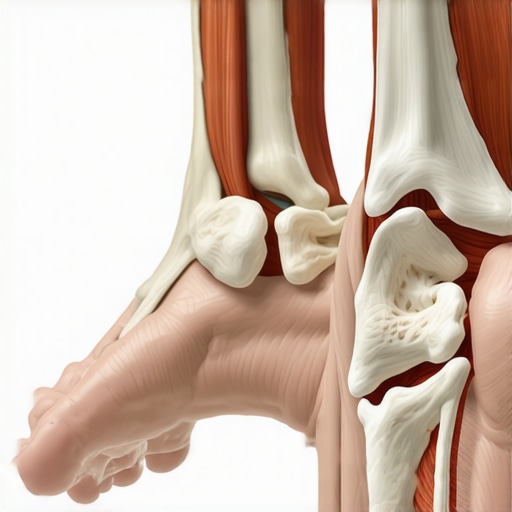
Ever had that moment where you stand up after a long day and feel this dull, nagging ache creeping up from your feet all the way to your neck? I remember mine vividly—one misstep during a walk, and suddenly, my lower back was protesting loud and clear. That lightbulb moment hit me hard: the way I stand, walk, and even the shoes I wear can silently impact my entire spine.
Don’t Underestimate Your Feet: The Hidden Link to Back Pain
It’s easy to dismiss our feet as mere connectors to the ground. But they are much more — the foundation that affects everything above. When your feet are misaligned or weak, it sets off a chain reaction that influences your posture and can cause discomfort in your hips, back, and neck. Over time, neglected foot health can lead to chronic pain problems that seem to have no clear origin.
Are You Wasting Time on the Wrong Fixes?
In my early days practicing chiropractic care, I made a big mistake—focusing solely on adjusting the upper spine without considering the feet. I used to think, “If my patient’s back feels better temporarily, I’ve done my job.” Turns out, I was missing the bigger picture. Proper foot alignment and mobility are the bedrock of a resilient spine. Scientific studies back this up—research published by the National Institute of Health indicates that misaligned feet can alter gait and increase stress on knee and hip joints, which ripple upward to the back.
So, if you’re tired of feeling like you’re chasing phantom aches or suffering through temporary fixes, it’s time to look downward—literally. Addressing foot problems can unlock pain relief and improve posture far beyond what traditional adjustments alone can achieve.
Curious about how to start nurturing your foot health for a stronger, healthier spine? Keep reading. We’ll walk through some practical steps to get your feet back in balance and set your entire posture on the right track.
Start With Foot Assessment and Alignment
My first step was to evaluate my foot posture by standing barefoot on a flat, hard surface and observing any obvious pronation or supination. I noticed my arches weren’t as high as I thought, indicating potential weakness or misalignment. To correct this, I used specific exercises like toe curls and arch lifts daily, which resembled coaching my feet like a gymnast training for balance—small, intentional movements that build stability over time. Consistently, I found these simple practices helped restore a more neutral foot position, reducing stress transmission up my kinetic chain. Properly aligning your feet sets the foundation for any further improvements in back health.
Implement Mobility Drills for Foot and Ankle Flexibility
Next, I incorporated mobility drills such as ankle circles and heel-toe walks. These movements act like oiling a rusty hinge—bringing motion and flexibility back where stiffness had accumulated. I dedicated five minutes twice a day, especially after sitting for long periods. For instance, I vividly remember doing ankle circles in my living room, struggling to turn my ankle fully without discomfort. Over a week, I noticed smoother movement and less tightness, which translated into a more natural gait. Enhanced ankle and foot mobility directly reduces abnormal gait patterns that cause compensations higher up the body, including the hips and back.
Strengthen Supporting Muscles
Strengthening the intrinsic muscles of the foot was my next focus. Using resistance bands to perform toe presses and short arch squeezes was effective. I likened this to strengthening the core of a building—sturdy supports prevent collapse. Initially, I struggled to activate my arch muscles consciously, often collapsing into a flat-footed stance. With persistent effort and daily practice, I could feel the muscles contract, creating a more lifted arch. This added stability helps maintain proper foot alignment during movement, preventing the subtle missteps that can escalate into chronic pain issues.
Modify Footwear and Support
My experience reinforced that proper footwear is essential. I switched to shoes with better arch support and avoided high heels. Think of your shoes as the concrete in the foundation—if flawed, the entire structure suffers. For example, I used insoles designed for arch support, which helped maintain proper alignment during daily activities. Occasionally, I also performed foot rolling exercises with a tennis ball to massage and release tension. These small adjustments tell your body that your feet are a stable platform, significantly decreasing the odds of misalignment impacting your spine.
Incorporate Regular Check-ins and Practice
Finally, I set reminders to check my foot posture and perform mobility exercises regularly. It’s like tuning a musical instrument—small, consistent adjustments keep everything in harmony. Over time, this routine became second nature, and I started noticing improvements in how I walked and how my back felt. Remember, proactive foot care is continuous; neglecting it can reintroduce imbalance and discomfort. When combined with other techniques like targeted chiropractic adjustments, it creates a holistic approach to maintaining posture health. If you’re curious about comprehensive strategies, discovering how chiropractic care complements mobility work can be insightful—check out how chiropractic adjustments enhance posture and mobility.
Many assume that fixing their posture is simply about standing straight or doing a few stretches. However, this oversimplification often leads people astray. A common myth is that posture corrections are purely visual or cosmetic; in reality, they involve complex neuromuscular functions that require a nuanced approach. Overlooking these details can cause more harm than good, especially when advanced techniques like targeted chiropractic adjustments are ignored in favor of quick fixes. For example, relying solely on passive stretching without strengthening stabilizer muscles may temporarily improve flexibility but can worsen alignment over time. Experts such as Dr. Craig Buhler emphasize that true improvement involves addressing the root causes, including both soft tissue and joint restrictions, which many practitioners miss. Have you ever fallen into this trap? Let me know in the comments.
Why do some correction methods backfire despite good intentions?
This often happens because of a misunderstanding of the body’s adaptive mechanisms. For instance, forcingyour posture into a ‘correct’ position without considering underlying compensations can reinforce maladaptive patterns. As highlighted in recent research published in the Journal of Bodywork and Movement Therapies, improper application of mobility exercises or adjustments may lock the bodies into new faulty patterns, leading to pain or instability. Therefore, a comprehensive assessment that considers joint mobility, muscle tone, and neural feedback is essential before choosing a treatment plan. Moreover, many practitioners focus on superficial metrics, neglecting deeper issues like fascial restrictions or nerve impingements that significantly influence posture and movement. For more insights into effective strategies, check out how chiropractic adjustments can unlock a pain-free lifestyle or advanced chiropractic techniques for posture enhancement. In essence, embracing a holistic, science-backed approach is the key to sustained improvement rather than quick fixes. Understanding these nuanced differences can dramatically change your outcome and keep you from falling into common pitfalls.
Once you’ve established a solid foundation with foot assessment, mobility drills, and strengthening routines, maintaining these improvements requires the right tools and consistent practice. Over my years working with clients, I’ve found that integrating specific equipment and software enhances long-term results and even streamlines the scaling process as you progress.
Invest in Quality Supportive Footwear and Orthotics
One of my top recommendations is using custom orthotics tailored to your foot structure. Unlike generic insoles, these devices are designed based on a detailed gait analysis, which I personally perform during initial assessments. They serve as a daily reminder for your feet to stay aligned, reducing strain on your knees and hips—crucial for maintaining posture. Over time, incorporating orthotics can significantly decrease the frequency of adjustments needed and prevent regression. As scientific literature highlights, personalized orthotic support effectively corrects abnormal gait patterns, resulting in improved spinal alignment.
Utilize Mobility Apps and Wearable Technology
To keep your mobility routines on track, I recommend leveraging apps like PhysiApp or mobility tracking features in wearable devices like Fitbit or Apple Watch. I personally use a combination of these tools to set daily reminders for mobility drills, track progress, and adapt routines based on data insights. This data-driven approach allows for nuanced adjustments, especially when scaling your routine as your mobility improves. Modern software can even suggest targeted exercises based on your activity levels, ensuring consistent engagement and preventing plateaus.
Implement Regular Self-Assessment and Feedback
Beyond tools, setting up simple self-assessment checkpoints—such as video recordings of your gait or posture—can be invaluable. I advise clients to perform these assessments weekly, focusing on how well their new habits are sticking and whether subtle misalignments are creeping back. This practice aligns with techniques discussed in the ultimate guide to improving mobility and posture in 2025, emphasizing continuous feedback for long-term success.
Anticipate Future Trends in Posture Maintenance
Looking ahead, I predict a surge in AI-driven posture correction tools paired with augmented reality (AR) for real-time feedback. Imagine wearing AR glasses that guide you through exercises, instantly correcting your form—making maintenance effortless and more precise. Embracing these innovations now, like integrating smart wearables into your routine, positions you ahead of the curve and sustains your progress more effectively.
How do I keep my improvements going without losing momentum?
The key is a blend of strategic tools and habit reinforcement. Regularly updating your support devices, utilizing the latest apps for feedback, and scheduling periodic self-assessments create a cycle of continuous improvement. Remember, scaling your routines is a personalized journey; what works today might need adaptation tomorrow. To explore advanced chiropractic techniques that support this ongoing process, visit this resource. Try implementing a new mobility app today and see how digital feedback can keep your progress on track—small steps lead to lasting change.
Over the years, I’ve realized that the most profound insights about posture, mobility, chiropractic, and adjustments often come from personal experiments and client stories. Here are some lessons that transformed my approach and could do the same for you:
What I Wish I Had Known About Balance Early On
Maintaining proper balance isn’t just about standing upright—it’s about the tiny, almost imperceptible adjustments in your feet and ankles. Even a slight tilt or misalignment can ripple upward, leading to chronic pain. Recognizing the importance of micro-movements in supporting overall posture was a game-changer for me.
Small Changes Yield Big Results
Incorporating daily foot mobility routines, like ankle circles and toe stretches, can seem trivial but have a profound impact on spinal health. Regularly practicing these helped me—and my clients—reduce reliance on long-term adjustments, leading to more sustainable progress.
Skepticism Toward Quick Fixes Is Healthy
My skepticism about temporary solutions encouraged me to seek holistic, science-backed strategies. Understanding the root causes—like fascial restrictions or neural tension—has been essential for lasting improvements, rather than fleeting relief.
Embracing Technology Accelerates Progress
Utilizing wearable devices and mobility apps allowed me to monitor subtle changes and stay accountable. Personalized, data-driven routines keep motivation high and ensure consistent improvement over time.
Holistic Care Is a Team Effort
Working with chiropractors, physical therapists, and personal trainers revealed that integrated approaches produce the best results. Combining adjustments with mobility work and strength training creates a synergy that addresses all facets of posture and movement.
Resources That Made a Difference
- Chiropractic Adjustments Unlocked My Path to Pain Relief: A comprehensive resource that explains how precise chiropractic care can restore alignment more effectively than generic stretches.
- Enhance Your Posture with Expert Techniques: An insightful guide on combining manual therapy with mobility exercises, trusted by many practitioners.
- The Ultimate Guide to Improving Mobility and Posture in 2025: Offers future-forward strategies for maintaining spine health in a digital age.
- Revolutionize Your Posture with Targeted Mobility Exercises: Practical routines that complement chiropractic adjustments, making long-term change achievable.
Your Next Step Toward Better Spine Health
Remember, improving your posture and mobility is a journey of consistent effort and smart choices. The breakthroughs often lie in the details—the subtle adjustments, mindful practices, and embracing new tools. Don’t wait for pain to tell you it’s time to act; start today, and enjoy a more vibrant, pain-free life. If you’ve ever wondered how small movements can lead to significant change, I challenge you to integrate one mobility drill into your daily routine today.
What’s one small tweak you’re willing to try this week to improve your posture or mobility? Share your plan below—let’s support each other in this journey!
,