
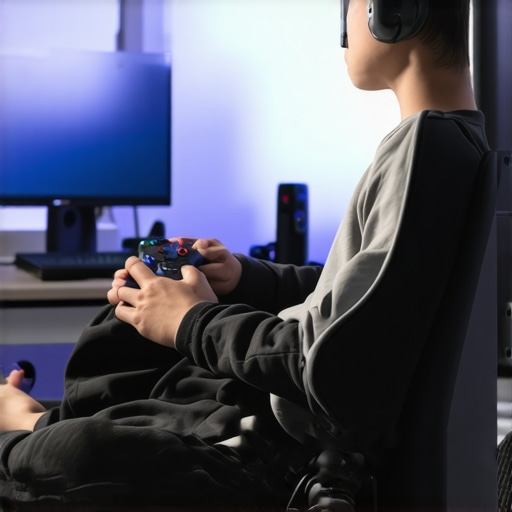
I vividly remember the moment I realized my teenager’s gaming setup was damaging more than just their grades—it was wreaking havoc on their spine. Watching them slump for hours on end, neck craned forward, shoulders hunched, I felt a pang of helplessness. It hit me hard: this wasn’t just about comfort or distraction; it was about their long-term health.
The Hidden Danger of Popular Gaming Chairs
It’s easy to assume that a fancy gaming chair will cushion the body and promote good posture. But the truth is, many of these chairs can become a spinal nightmare in disguise. When I first bought my child’s gaming seat, I thought I was making a wise investment. Instead, I was unknowingly setting the stage for persistent back pain and poor posture down the line. Later, I learned from a reputable source that prolonged poor ergonomics not only cause immediate discomfort but can also lead to irreversible postural changes if ignored (source: Why Chiropractic Care Is Your Secret Weapon for Better Posture).
So, how can something as seemingly harmless as a gaming chair turn into a spinal nightmare? The answer lies in the design flaws of many retail models that prioritize aesthetics or features over proper spinal alignment. If your teenager spends hours gaming without ergonomic support, their spine adapts in unhealthy ways, often without immediate pain—yet.
In this post, I promise to guide you through simple, effective strategies to identify and correct these issues, protecting your teen’s spine now and in the future. Because a few informed adjustments can make a world of difference.
Is Your Teen’s Gaming Setup Actually Making Things Worse?
Early on, I made the mistake of dismissing my child’s postural habits as harmless. I thought, “They’re just teenagers; they’ll grow out of it.” But ignoring early signs can backfire. I want to help you avoid the same mistake. Click here if you’re ready to take action now. Let’s delve into how you can transform your teen’s gaming experience into a posture-friendly one, starting today.
Assess the Current Setup Clearly
Start by observing your teen during a gaming session. Look for signs of slouching, neck forward posture, or uneven weight distribution. Use a mirror or record their posture from behind to identify problematic positions. Think of it like a mechanic inspecting a car—spotting the issues before fixing them. I once caught my son slouching and took a quick video, which revealed his head was jutting forward by several inches. This visual helped him see the problem himself, making subsequent adjustments easier.
Adjust Their Gaming Environment Strategically
Optimize Chair and Desk Height
The goal is to keep the hips at a 90-degree angle and feet flat on the ground. If their chair is too high or low, it can cause pelvic tilt and slouching. I adjusted my son’s chair height so that his knees were level, and his lower back was supported naturally. Then, I placed a small footrest under his feet for added stability. Lowering the monitor to eye level also prevents neck strain. Think of this like setting a workspace for a gymnast—alignment is key for performance and safety.
Support the Lumbar Curve
Use an ergonomic lumbar roll or a small pillow behind their lower back. This encourages maintaining the natural inward curve of the lumbar spine. I experimented with different shaped pillows until I found one that provided constant support without creating pressure points. This simple addition can prevent the tendency to slump forward, which over time leads to more serious issues. It’s akin to a chiropractor gently supporting your spine during an adjustment—it’s about guiding the body into correct alignment.
Incorporate Mobility Breaks Regularly
Every 20-30 minutes, encourage your teen to stand, stretch, or walk around. Think of their spine like a trail that needs frequent maintenance; static positions cause stiffness, akin to rust building up. I introduced a routine where they do a quick mobility drill after every gaming session. For example, gentle neck circles, shoulder rolls, and hip openers. This strategy not only relieves tension but also reminds their muscles and joints to stay active. It’s similar to oiling a machine to keep it running smoothly.
Teach Dynamic Posture Techniques
Moving beyond static support, teach your teen to adopt active posture corrections. For instance, they can set a reminder to ‘sit tall,’ engaging core muscles, and gently pull the shoulders back. I showed my son how to do a quick ‘posture reset’—standing tall, retracting the shoulder blades, and breathing deeply. These micro-adjustments are like chiropractic adjustments—they realign and reset the body’s position quickly and effectively. Consistent practice builds these habits into their routine, fostering better long-term posture.
Introduce Targeted Mobility Exercises
Complement ergonomic adjustments with mobility exercises designed to restore natural movement patterns. Stretching routines focusing on thoracic spine and hips work wonders. For example, I used a simple thoracic rotation drill before gaming to loosen tight mid-back muscles. Regular mobility work prevents postural compensation, which can lead to pain or discomfort. Think of it as tuning an instrument—regular calibration ensures harmony in movement and posture.
Create Accountability and Monitoring
Help your teen track their posture and habits through quick checklists or drawing their own ergonomic setup diagrams. Use apps or timers to remind them to take breaks. I initially used sticky notes on the monitor as visual cues, which eventually became habit cues. Consistency here is crucial; like a chiropractor reinforcing good habits, regular self-monitoring keeps posture improvement ongoing. Over time, these small routines reinforce healthy habits that last beyond the gaming chair.
Many assume that getting a chiropractic adjustment is a quick fix for posture issues, but the true nuances lie beneath the surface. A common myth is that all adjustments provide instant relief, yet, in reality, the impact depends heavily on understanding your unique body mechanics. Experts emphasize that chiropractic care isn’t just about ‘cracking’ the spine; it’s about aligning the body’s complex biomechanics, which requires a personalized approach. Failing to recognize this leads many to chase short-term fixes, ignoring underlying movement habits that perpetuate poor posture. For instance, a study published in the Journal of Manipulative and Physiological Therapeutics highlights how tailored adjustments combined with mobility exercises produce significantly better long-term outcomes than generic treatments [source](https://quackersneck.com/how-chiropractic-adjustments-enhance-posture-and-mobility).
Beware of the trap where people believe regular cracking suffices without addressing root causes like muscle imbalances or faulty movement patterns. Overlooking these factors can worsen postural issues over time, creating a cycle of dependency on chiropractic visits. Instead, integrating targeted mobility routines and understanding compensatory patterns yield sustainable improvements. For example, addressing thoracic mobility deficits through specific exercises can unlock posture correction that adjustments alone can’t achieve. Curious about how mobility enhances chiropractic results? Check out this guide [here](https://quackersneck.com/revolutionize-your-posture-with-targeted-mobility-exercises).
What about the misconception that posture is solely a static alignment problem? In truly advanced practice, posture encompasses dynamic movement — a concept often overlooked. If you’ve ever wondered why certain postures trigger pain only during specific activities, understanding the nuances of movement patterns is key. Engaging in mobility drills to restore natural motion can prevent injuries and improve overall alignment. For Maintaining your postural improvements over time requires the right combination of equipment and methods. One of my favorite investments is a high-quality ergonomic chair designed to support the lumbar curve and encourage active sitting. I personally use the Steelcase Leap for its adjustable features, allowing me to fine-tune support and maintain proper alignment during long work sessions. Additionally, a portable foam roller has become an indispensable tool for daily mobility work, enabling me to release tight muscles in the thoracic spine and hips quickly. I recommend the Trigger Point GRID Foam Roller because of its firmness and textured surface, which helps target specific areas effectively.
For tracking progress and ensuring consistency, I rely on apps like MoveReboot, which prompts me to perform mobility drills throughout the day. These digital tools serve as a personal coach, reminding me to incorporate dynamic stretches and posture corrections into my routine. Moreover, incorporating a heal-toe gait training mat encourages mindfulness of walking patterns, preventing compensatory habits that can undo postural gains.
Looking ahead, the trend in posture maintenance is heading towards smart wearable technology. Devices like the Upright Go 3 provide real-time feedback on your posture, alerting you when you slouch or lean forward. I’ve tested it myself, and the immediate biofeedback has helped ingrained habits faster than traditional methods.
How do I maintain my posture and mobility tools over the long term?
Consistency is key. Regularly cleaning and adjusting your ergonomic setup ensures it continues to support your body’s needs. Replace foam rollers when they show signs of wear to maintain effective massage capabilities. Regularly update your mobile app routines to include new exercises targeting emerging weaknesses. Lastly, stay informed about emerging technologies; for instance, new smart posture trainers integrate AI to analyze your movement patterns more comprehensively. Incorporating these tools and methods into your daily routine will help sustain and even accelerate your progress toward a pain-free, balanced body. Want personalized guidance on optimizing your setup? Reach out through our contact page and start your journey today. Keep engaging with effective tools, and watch your mobility and posture improve over the years—because ongoing maintenance is what ensures lasting results.
Three Hard-Earned Insights About Posture and Chiropractic Care
- Prioritizing Movement Over Static Fixes: I realized that focusing solely on adjustments without addressing daily movement habits is like putting a band-aid on a deeper wound. Incorporating consistent mobility routines and active posture habits has been the game-changer in maintaining long-term spinal health.
- The Power of Personalization: Generic ergonomic tips rarely fit everyone’s unique body mechanics. Personalizing support, whether through specific pillows or tailored exercises, ensures that posture corrections are sustainable and effective, preventing setbacks and pain recurrence.
- Consistency Is The Secret Ingredient: Rarely does a single adjustment or exercise resolve complex postural issues. Instead, regular habits—like setting reminders to stretch or investing in monitor upgrades—compound over time, leading to lasting improvements that feel natural and effortless.
- The Steelcase Leap Chair: Its adjustability allows me to fine-tune lumbar support and seat height, ensuring my spine stays aligned during long work or gaming sessions. I trust its durability and ergonomic design to prevent future discomfort.
- Trigger Point GRID Foam Roller: This roller helps me target tight muscles in the thoracic spine and hips, releasing tension that might otherwise contribute to poor posture. Its textured surface helps in breaking up muscle knots effectively.
- MoveReboot App: This digital coach prompts me with mobility drills and reminders, making regular movement a simple part of my day. It’s like having a personal trainer dedicated to keeping my posture in check.
- Upright Go 3 Wearable: A smart device that provides real-time feedback, helping me develop awareness and automatically correct slouching tendencies. It’s been instrumental in ingraining healthy posture habits effortlessly.
My Go-To Tools for Posture Success
Seize the Moment and Transform Your Posture Today
Taking control of your spine health might seem daunting at first, but every small step adds up to a significant change. Believe in the process, and remember—your future self will thank you for investing in your well-being now. Whether it’s optimizing your gaming setup, adopting active routines, or exploring new mobility tools, the journey toward better posture is within your reach. Start today, stay consistent, and embrace the confident, pain-free life you deserve. Curious about how to personalize your mobility strategy? Reach out to us and let’s craft a plan that works for you. Your spine will thank you.