
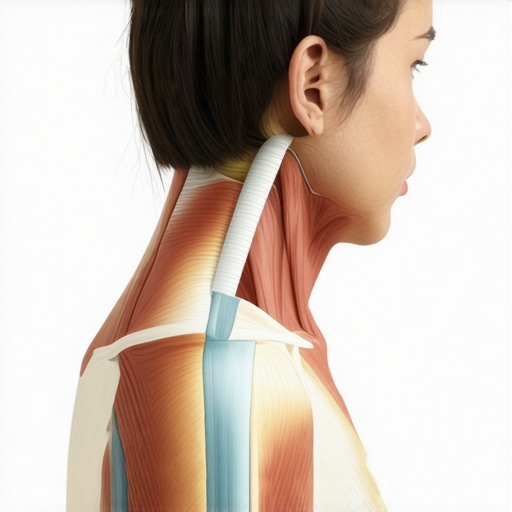
I can still remember the moment I realized my heavy-headed afternoons were more than just fatigue. One evening after a long day of work and screen time, I finally sat down and felt this strange sensation—my head felt like it was too heavy for my neck to support. At first, I brushed it off as tiredness, but it kept happening. That lightbulb moment made me wonder: what’s really going on?
Struggling with the Overwhelming Sense of Heaviness
For many of us, the day ends with a lingering heaviness in the head and neck, often accompanied by discomfort or even mild pain. It’s a familiar feeling—like carrying a backpack full of bricks after hours of poor posture and neglecting mobility. If you’re nodding along, you’re not alone. This sensation isn’t just a random annoyance; it’s a sign your body is trying to tell you something.
Over time, I discovered that this heaviness stems from a combination of poor posture, lack of movement, and suboptimal spinal alignment. These factors can cause muscles to tighten unnecessarily, joints to stiffen, and circulation to decrease—culprits behind that feeling of a leaden skull balancing on a fragile neck. Interestingly, a study found that maintaining good mobility can significantly reduce neck and head discomfort by improving blood flow and flexibility (see more in this guide).
Could you be overlooking simple habits?
Early in my journey, I made the mistake of neglecting small but impactful habits, like ignoring the importance of proper ergonomic setups or missing out on targeted mobility exercises. These oversights only worsened my symptoms, making my days longer and my nights more restless. It’s a reminder that even minor adjustments can have a major impact.
If you’ve faced this heavy-headed feeling, know that solutions do exist—ranging from simple mobility drills to professional chiropractic care. In the next sections, I’ll share practical tips and expert insights to help you regain that light, balanced feeling your body craves. Ready to take your posture and movement into your own hands? Let’s dive in.
Start with Gentle Movement to Loosen Tight Muscles
In my experience, the most immediate change came when I integrated simple daily movements. Think of your muscles like rubber bands—if left untouched, they become brittle and stiff. I began with slow neck circles and shoulder rolls, performing each movement deliberately to signal to my muscles that it’s safe to relax. Doing this every morning worked like oiling a squeaky hinge, reducing stiffness and making my head feel lighter. You can replicate this by performing targeted mobility drills, such as those outlined in mobility exercises. Consistency is key—initially, I set a reminder to ensure I didn’t skip these.
Focus on Posture Alignment During Daily Tasks
Adjust Your Sitting Habits
While working, I replaced my standard chair with ergonomic support and made a habit of sitting back fully, keeping my feet flat on the floor and my monitor at eye level. This shifts your spine into a natural curve, similar to how a well-designed arch bridge distributes weight evenly, preventing overload on any one part. Remember, poor posture stacks up—leading to muscle tightening and that heavy head sensation. Take a moment every hour to correct your sitting position, which can be reinforced with tools like postural reminders or apps. For comprehensive posture adjustments, explore chiropractic-guided techniques.
Break Long Periods of Inactivity
Extended sitting introduces a ‘locked-in’ posture that stiffens muscles and compresses joints. I adopted the 30-minute rule—every half-hour, I stood, stretched, or walked briefly to reset my alignment. It’s similar to rebooting a sluggish computer: a small reset can restore optimal function. This not only improved circulation but also made me more aware of how I hold my head and neck. Incorporating movement breaks aligns with the concept of micro-adjustments that can drastically improve mobility, as discussed in mobility hacks.
Implement Targeted Mobility Drills
Deep stretching can sometimes backfire, especially if muscles are overly tight—they may resist or even tighten further. Instead, I focused on dynamic mobility drills that actively promote movement within safe ranges. For example, shoulder blade squeezes and neck stretches performed gently and repeatedly act as ‘liberators’ of trapped tension, much like releasing a pinched garden hose. I dedicated 10 minutes daily for these routines, which soon became a natural part of my morning ritual. To maximize effectiveness, explore targeted mobility exercises, ensuring you address specific problem areas.
Seek Professional Chiropractic Assistance When Needed
While self-care is vital, lasting relief often requires professional intervention. I visited a chiropractor who explained that realignment restores proper joint spacing and muscle balance, much like tuning a guitar string for perfect pitch. Regular adjustments improved my posture, reduced muscle strain, and eased persistent head heaviness. It’s a strategic move—similar to calling in an expert for a complex repair—especially if symptoms persist despite lifestyle changes. Learn more about the benefits of chiropractic care at this resource.
Integrate Breathing Techniques to Reduce Tension
To complement physical adjustments, I adopted diaphragmatic breathing, which signals the nervous system to relax. Imagine your body as a tense rubber band—slow, deep breaths gradually release tension throughout your neck and shoulders. I would pause several times a day, inhale deeply through my nose, and exhale slowly through my mouth. This practice helps improve circulation and reduces the feeling of heaviness. You can learn effective breathing strategies at this guide.
Maintain Consistency for Lasting Results
The key takeaway from my journey was consistency. Even the best routines fall flat if neglected. I set small, achievable daily goals—like performing a 5-minute mobility drill or correcting my posture during work. Over time, these micro-habits compounded into noticeable relief, transforming the heavy head sensation into a balanced, light feeling. Remember, progress is a marathon, not a sprint, so patience and persistence will be your best allies in this process.Many people assume that quick fixes or generic routines are enough to correct posture and improve mobility, but the reality is far more nuanced. One widespread misconception is believing that stretching alone can resolve all tightness—yet, overstretching without understanding muscle imbalances can worsen issues, as highlighted in recent studies emphasizing the importance of targeted mobility works instead of broad stretching routines (see here). Another myth is that chiropractic adjustments provide permanent solutions; in truth, adjustments are a key component but must be combined with active habits to sustain benefits, supported by research indicating that consistent engagement reinforces realignment success (learn more). Many overlook the significance of detailed postural assessments that identify asymmetries and functional limitations, making personalized interventions necessary for lasting change. A common trap is relying solely on passive treatments, which can lead to dependency without addressing underlying habits—an advanced mistake that prolongs recovery. Complex issues like a misaligned pelvis or spinal curvature often require a comprehensive approach, combining chiropractic, mobility drills, and ergonomic adjustments. The key is recognizing that no one-size-fits-all solution exists; instead, proactive, informed strategies yield sustainable results. Have you ever fallen into this trap? Let me know in the comments. To deepen your understanding, consider exploring this guide on mobility and posture and avoid these common pitfalls. Remember, mastering the subtle differences and addressing the underlying nuances will set you apart on your journey toward better mobility and healthier posture.
Once you’ve established a solid routine for enhancing your posture and mobility, maintaining these benefits over the long term requires the right tools and strategies. In my journey, I found that investing in specific equipment and adopting targeted methods made a significant difference in ensuring lasting results. This section shares the tools I personally use and recommend for continued success.
Invest in an Adjustable Foam Roller for Self-Myofascial Release
A high-quality foam roller with variable firmness levels allows me to target tight muscles and fascia effectively. I prefer a dual-density foam roller because I can customize the intensity based on muscle soreness or stiffness. Regular use helps maintain tissue elasticity and prevents the re-tightening of muscles that can pull my spine out of alignment. Remember, gentle and controlled rolling is key—overdoing it can cause more harm than good. For detailed guidance, explore this resource on proper foam rolling techniques.
Utilize a Posture Corrector Brace Sparingly and Strategically
While not a permanent solution, a well-chosen posture support can serve as a reminder to keep proper alignment throughout the day. I use a lightweight, breathable brace during long work sessions or when I notice my shoulders starting to hunch. The goal is to reinforce good habits without becoming reliant. Combining wearing the brace with active mobility drills, like those recommended in targeted mobility exercises, ensures my muscles remember the correct posture naturally.
Leverage Smart Ergonomic Tools for Workspace Optimization
Aligning your workspace is crucial for long-term posture health. I use a height-adjustable desk paired with an ergonomic keyboard and mouse setup. An intelligent monitor arm allows me to adjust screen height easily, preventing forward head posture. These tools help me maintain a neutral spine position without conscious effort, which is essential for avoiding the recurrence of those heavy-head sensations. Check out this guide for signs your workspace might be contributing to poor posture.
Regularly Track and Reassess Your Progress
Keeping mobility and posture improvements sustainable involves continuous monitoring. I use posture-tracking apps that prompt me to perform quick daily check-ins, encouraging mindfulness about my alignment. Additionally, periodic visits to a chiropractor or mobility specialist help identify subtle deviations that may have crept back in. According to recent studies, such proactive assessment can dramatically enhance the longevity of positive changes (see more about the importance of regular assessments).
Forecasting the Future of Posture Maintenance Tools
Looking ahead, I predict that wearable technology will become even more sophisticated in tracking posture and mobility in real-time, providing instant feedback. Devices integrated with biofeedback systems might guide you through corrective exercises during your daily routine, making maintenance more intuitive and seamless. Embracing these innovations early can give you a competitive edge in preserving your improvements long-term.
How do I maintain my posture and mobility gains over time?
The key lies in consistency and utilizing the right tools tailored to your lifestyle. Incorporate equipment like adjustable foam rollers and ergonomic workspace setups, and consider smart apps for ongoing self-assessment. Don’t forget to schedule regular professional check-ins to fine-tune your routine. Implementing just one of these tools, like a targeted mobility drill from this resource, can start a positive ripple effect. I challenge you to pick one advanced tip today and see how it transforms your maintenance journey.
Through my journey of improving posture and mobility, I discovered that some lessons are counterintuitive yet transformative. One of the hardest lessons I learned was how over-focusing on stretching often led me to deeper tightness, not relief. Instead, incorporating targeted mobility drills, like those discussed in this guide, made all the difference. Additionally, trusting quick adjustments from professionals like chiropractors was empowering, but I realized that without consistent active habits, those gains could easily slip away, highlighting the importance of daily micro-movements. Another surprising revelation was how lingering head heaviness might not always be about muscle tightness alone but related to subtle misalignments that require attentive realignment and mindfulness, supported by insights from this resource. Lastly, I learned that true sustainability comes from integrating ergonomic awareness, regular mobility practices, and professional guidance—each piece playing a vital role in maintaining the lightness you seek.