
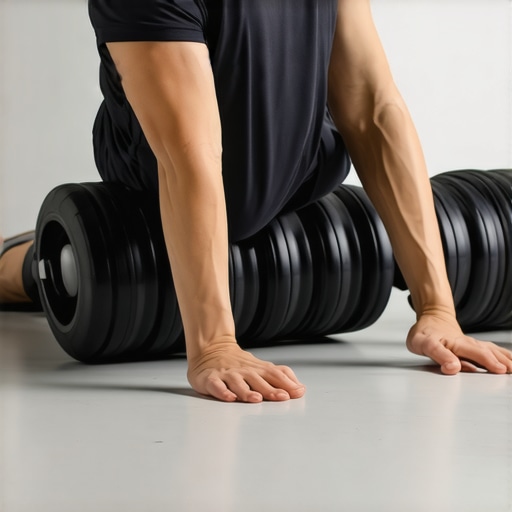
I vividly remember the first time I grabbed a foam roller with enthusiasm, only to end up with a sore, bruised spot on my lower back. It was a frustrating wake-up call—thinking I was doing something good for my mobility turned into a painful mistake. That lightbulb moment made me realize: if I’m not careful, I could cause more harm than good. Have you ever experienced a similar struggle, feeling confident about your foam rolling routine but ending up with discomfort or bruising afterward? You’re not alone, and today, I promise to share some proven strategies to help you use your foam roller without risking your spine’s health.
Why Bruising Happens and How to Prevent It
Foam rollers are fantastic tools for releasing muscle tension and improving mobility, but they can be tricky to use correctly—especially when it comes to protecting your delicate spinal area. The main culprit behind bruising or pain during foam rolling is applying too much pressure, especially over bony points or sensitive areas. Early on, I made the mistake of pressing too hard without considering the anatomy beneath the surface, which led to uncomfortable bruising and even minor nerve irritation. According to experts, improper technique is a common cause of foam rolling injuries, emphasizing the importance of knowing your body’s limits and anatomy.
For more insights on safe practice, check out this article on improving posture through proper mobility techniques.
Is Foam Rolling Worth the Hype If It Hurts?
Many skeptics question whether foam rolling can genuinely help without causing damage. Honestly, my early misstep was directly linked to my fear of causing harm, which is a valid concern. I learned that the key is not to ignore discomfort but to understand how to work with your body’s signals. Gradual pressure, proper positioning, and knowing when to pause are essential. Remember, even a seemingly simple tool like a foam roller can cause injury if misused. So, if you’ve hesitated because you’re worried about hurting yourself, you’re not alone—many people share that concern. But with some tweaks, foam rolling can be a safe and effective part of your routine. Want to delve deeper into safe techniques? Explore this comprehensive guide on improving mobility and posture.
Start with Proper Positioning
Think of your body as a house; placing the foam roller correctly is like aligning the foundation. I remember one time I placed the roller directly on my lower back without awareness, which caused discomfort and bruising. To avoid this, position the foam roller under the target muscle group—never directly over the spine or bony prominences. For lumbar areas, lie diagonally or turn to your side, ensuring the roller supports muscles rather than bones. This foundational step is crucial for safe and effective rolling.
Apply Controlled Pressure and Know When to Release
Imagine pressing your hand gently on a sponge—too hard, and it damages the material; too soft, and it’s ineffective. When I first started, I pressed firmly, causing bruising. Instead, start with light pressure, gradually increasing as your body allows. Use your arms or legs to adjust pressure, and listen to your body’s signals—if you feel sharp pain or numbness, reduce the force immediately. Think of this as dialing in your intensity like turning a volume knob slowly until you reach the sweet spot.
Use Dynamic Movements Instead of Static Holds
Rather than holding the roller still over an area, move slowly back and forth—like steering a ship with gentle turns. I recall trying to hold position over my tight hamstrings, which only increased discomfort. Instead, roll gently over the muscle for 20-30 seconds, exploring different angles. This controlled movement prevents overstretching tissues and lowers the risk of bruising. It’s like giving your muscles a soft massage, promoting blood flow without aggressive pressure.
Target Specific Muscles with Technique Adjustments
Suppose you’re rolling your quadriceps; shift your weight slightly forward or backward to focus on different muscle fibers. Think of adjusting a camera lens to get a clearer picture. I learned this when I targeted my IT band—by angling my hips and adjusting pressure, I avoided painful spots and achieved better release. Incorporate small changes in your body position to work different muscle sections effectively without overloading sensitive areas.
Be Mindful of Bony Highlights and Joints
Picture the roller as a gentle advisor, avoiding the bony landmarks instead of pressing directly on them. For instance, avoid rolling over your kneecaps or spinous processes. Instead, target the muscle groups adjacent to these areas. In my experience, avoiding these spots prevented painful bruises and nerve irritation. Remember, restraint is key; think of these bony parts as delicate treasures that need protecting.
Gradually Increase Duration and Frequency
Think of your muscles like a garden—suddenly watering it too much can cause flooding, but gradual watering encourages healthy growth. I started with 1-minute sessions, slowly increasing to 5 minutes over weeks. This gradual approach prevents overstressing tissues, reducing bruising and soreness. Schedule consistent sessions—2-3 times a week—to build tolerance and see lasting benefits, much like nurturing a plant through steady care.
Final Tips for Safe Foam Rolling
Always warm up before rolling—like preheating an oven—to make tissues more pliable. Stay relaxed during the process; tension in your muscles can lead to undue pressure. Use mirrors or record yourself to check your form—think of it as a personal trainer watching over your technique. And if you experience persistent pain or bruising, consult a professional—don’t guess or push through injury. Proper technique is your best safety net to harness foam rolling’s benefits while protecting your spine and muscles.
Many individuals assume that all chiropractic adjustments are universally beneficial and that posture correction is simply a matter of standing straight. However, as an expert in mobility and spinal health, I can tell you that these beliefs often overlook critical nuances. One widespread myth is that more frequent adjustments lead to better long-term results; in reality, over-reliance on adjustments without addressing underlying movement patterns can foster dependency instead of true healing.
Why Do Some Adjustments Backfire Instead of Help?
The common mistake here is applying a one-size-fits-all approach. Adjustments are powerful tools, but if performed without considering the patient’s unique biomechanics or mobility deficits, they might exacerbate existing issues. For example, blindly cracking the neck or back in hopes of instant relief can sometimes cause undue strain or disrupt natural joint mechanics. This is why tailored, functional mobility exercises, supported by principles outlined in mobility hacks for daily life, play a vital role in a comprehensive approach.
Can Correct Posture Be Achieved Without Mobility Improvements?
Absolutely not. A common misconception is that brutal posture corrections—like pulling shoulders back forcefully—are the solution. But I’ve seen countless cases where such approaches worsen muscle imbalances, leading to compensations and discomfort. True posture you can sustain long-term hinges on improving your innate mobility, especially in the thoracic spine and hips, which are often overlooked. A detailed guide on building better posture through smart mobility can shed light on these advanced nuances.
Another frequent trap is misinterpreting the role of muscle tightness. Many believe stretching alone is the key, but research and practice show that addressing joint restrictions is equally essential for lasting change. When mobility is restored, posture naturally falls into alignment without the need for constant correction. Think of your body as a complex mechanical system; if one part is jammed, the entire machine struggles. Regularly practicing targeted mobility routines fosters durable improvements in posture and reduces dependency on quick fixes.
Furthermore, some practitioners advocate for excessive chiropractic adjustments without integrating active movement strategies, which can lead to a cycle of temporary relief followed by recurring issues. To truly optimize your mobility, it’s crucial to combine adjustments with functional exercises tailored to your specific needs, as discussed in this expert mobility routine.
Remember, the goal is sustainable health, not just short-term pain relief. Embracing a holistic approach that combines gentle adjustments, mobility work, and proper movement habits will yield the best results. If you want deeper insights into how to implement these strategies into your routine, check out why core strength isn’t enough for good posture and learn how mobility unlocks your body’s full potential.
Have you ever fallen into this trap? Let me know in the comments. Addressing these nuanced aspects of spinal health and movement can make all the difference on your journey to pain-free living.
Keep It Working: Tools I Rely On for Ongoing Success
Maintaining improvements in posture and mobility isn’t a set-it-and-forget-it affair. It requires the right tools, consistent effort, and strategic adjustments over time. One of my go-to tools is the foam roller, but not just any will do. I prefer a textured, high-density foam roller because it provides targeted myofascial release, helping to sustain muscle flexibility and prevent tightness from creeping back. Personally, I regularly use the targeted mobility routines that incorporate foam rolling to keep my tissues responsive and healthy.
Another essential asset is an adjustable lumbar support chair that encourages proper spinal alignment during long work hours. I recommend one that allows fine-tuning so you can customize your sitting position, reducing strain and reinforcing good posture habits. Regularly adjusting your environment to favor alignment reinforces the habits you’re working to develop.
What about digital tools? How do I keep this work sustainable over time?
Digital applications like mobility tracking apps or posture reminders can be game-changers. I personally track my daily mobility and posture checkpoints using apps that prompt me to perform brief stretches or adjust sitting positions. This consistent feedback loop ensures that small issues don’t snowball into chronic problems. Looking ahead, I predict that AI-driven posture monitors and biofeedback devices will become more sophisticated, offering personalized guidance and real-time correction—making self-maintenance even more effective.
Beyond tools, integrating chiropractic adjustments into your routine can help address underlying joint restrictions that may resist self-management efforts. These adjustments, when combined with mobility exercises, create a synergy that sustains progress long-term.
How do I sustain mobility improvements without regression?
The secret is consistent, strategic maintenance. For instance, every morning, I dedicate 5 minutes to a quick mobility routine that targets key areas like hips, thoracic spine, and shoulders. This habit keeps stiffness at bay and reinforces the gains I’ve made. Incorporating movement variability—changing routines every few weeks—prevents plateaus and keeps tissues adaptable.
Specialized tools like mobility wedges or resistance bands also come in handy for active strengthening and dynamic stretching. To truly get the most out of these tools, I recommend studying mobility hacks that tailor movements to your body’s unique needs. Experimenting with different tools and techniques keeps your routine fresh and effective.
Make Magnetic Resonance Imaging Your Ally
For a deeper understanding of ongoing issues, consulting with specialists who utilize advanced techniques—like MRI scans—can reveal subtle joint or tissue restrictions that escape traditional assessment. According to expert sources, regular imaging when paired with manual therapy ensures that your interventions are precisely targeted and effective.
Start by integrating one advanced tip today—perhaps adding a resistance band routine for active mobility. This small investment can have a big impact on long-term results.
Remember, consistency paired with the right tools and professional guidance is your best strategy for maintaining posture and mobility benefits over time. Want personalized advice on optimizing your setup? Reach out through contact us and let’s tailor a plan for your specific needs.
What I Wish I Knew About Listening to My Body
One of the most powerful lessons I learned was that pain and discomfort are messengers guiding us, not obstacles to ignore. Early in my journey, I dismissed minor sensations, thinking they were just part of the process. However, paying close attention revealed subtle signals that prevented potential injuries—like recognizing when pressure becomes too intense or when a movement feels off. Embracing this awareness changed my entire approach, making my mobility routines safer and more effective.
Why Rushing Can Sabotage Progress
Another eye-opener was understanding the importance of patience. I used to rush through foam rolling sessions hoping for quick results, but I often ended up more sore or bruised. Gradually increasing the intensity and duration, and allowing my tissues to adapt over time, proved crucial. This patience fostered sustainable improvements, showing me that consistent, gentle work beats aggressive efforts that risk setbacks.
The Power of Body Position and Mindful Technique
It became clear that how I positioned myself during exercises mattered more than I initially thought. Small adjustments—like angling my hips differently or shifting weight—made significant differences in relief and safety. Mindfulness in technique, maintaining awareness of bony landmarks and muscle zones, helped me avoid unwanted bruising and nerve irritation. Mastering proper alignment transformed my mobility routine from guesswork to precision.
Curated Recommendations for Lasting Change
Over time, I gathered tools and resources that truly made a difference. Targeted mobility routines equipped me with actionable techniques tailored to my needs, emphasizing the importance of specificity. Incorporating a high-density foam roller from trusted brands allowed me to target deep fascia and avoid superficial discomfort. For ongoing support, I rely on digital apps that remind me to move and breathe consciously, turning mobility from a chore into a habit embedded in my daily life.
Your journey starts now—embrace small wins
The path to better posture and mobility isn’t about instant mastery but consistent curiosity and cautious experimentation. Every small adjustment, every mindful breath, brings you closer to a pain-free, more resilient body. Remember, you’re not alone in this; many of us have learned these lessons through trial, error, and reflection. With patience and the right tools, you can unlock your full movement potential. Ready to take the first step? Share your biggest challenge or breakthrough below—your story might inspire someone else to start their own journey towards lasting mobility.
ख