
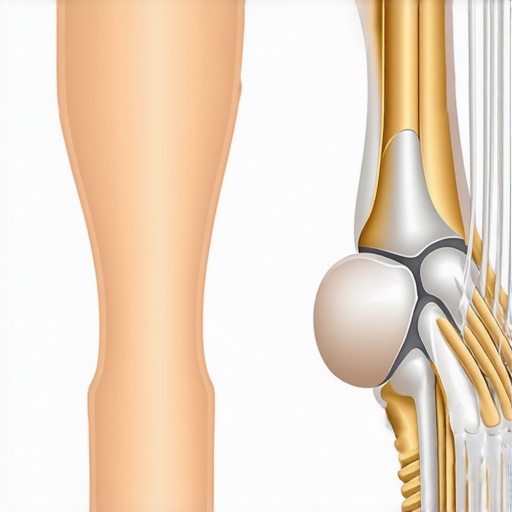
It was one of those mornings where I felt the weight of the world pressing down on my shoulders, quite literally. After a long night of tossing and turning, I finally got up, only to be greeted by a persistent ache in my neck that just wouldn’t quit. I knew I needed a fix, so I headed to my chiropractor, hoping an adjustment would do the trick. But as I was lying on that table, a lightbulb went off—what if my flat feet were somehow sneaking their way into my neck pain?
Why Ignoring Your Feet Might Be Worsening Your Neck Ache
Most of us focus on the area that hurts directly. If your neck’s sore, you stretch, you adjust, you maybe even see a specialist. But what if the root cause of your chronic neck pain is buried way further down—like in your feet? It sounds crazy, but the truth is, our bodies are interconnected, like a complex puzzle. When your arch collapses and your feet become flat, it can throw off your entire posture and alignment, leading to tension and pain all the way up in your neck.
Research shows that foot biomechanics significantly impact spinal alignment and posture. In fact, a study published in the Journal of Foot and Ankle Research explains that improper foot function can lead to abnormal gait and muscular imbalances that strain the cervical spine. Over time, this imbalance can manifest as chronic neck pain that resists standard treatments.
Now, I don’t mean to suggest that flat feet are the sole culprits—posture, stress, and ergonomic habits all play their part. But overlooking your foot health is a common mistake that keeps many stuck in pain cycles. Early in my own journey, I made the mistake of ignoring my foot arch, thinking it was just a small issue. That oversight only compounded my neck problems.
So, have you ever experienced neck pain that stubbornly refuses to go away, despite countless stretches and adjustments? If so, it’s worth considering whether your feet might be the hidden culprit. Together, we’ll explore practical ways to uncover and address this overlooked connection, starting with simple assessments and effective strategies that can dramatically improve your posture and reduce discomfort.
But before diving into those solutions, let’s tackle a common concern: is this whole notion of flat feet affecting neck health actually worth the hype? Stay with me—I’ll clear up that skepticism in the next section.
Assess Your Foot Arch
Start by evaluating whether you have flat feet or overpronation. Sit comfortably and look at the inside of your shoes—notice uneven wear patterns. To get a clear picture, perform a simple wet footprint test: step into a shallow pan of water and then onto a dry surface or paper. If your footprint shows a complete arch, your feet are flat. Recognizing this is the first step toward addressing how your feet influence your neck pain.
Implement Targeted Mobility Drills
Now that you’ve identified your flat feet, improve your foot mobility through exercises. Begin with toe curls and arch lifts to strengthen the intrinsic foot muscles. For example, sit on a chair, place a towel under your foot, and scrunch it with your toes—this enhances arch support. Consistency is key; perform these exercises daily to establish a supportive foundation for your posture. These mobility hacks can be learned in detail from this guide.
Use Supportive Orthotics or Footwear
After enhancing mobility, consider customized orthotics or supportive insoles that help realign your arch. Visit a podiatrist for assessments or explore over-the-counter options designed for flat feet. Proper footwear supports your arch during daily activities, preventing compensatory postural issues that travel up your spine. Think of it as giving your body the right scaffolding to maintain proper alignment, reducing strain on your neck over time.
Adjust Your Sitting and Standing Habits
Posture is profoundly affected by how you sit and stand. When sitting at your desk, use ergonomic supports like lumbar rolls, and ensure your feet are flat on the ground. Standing for long periods? Shift your weight regularly and avoid locking your knees, which can exacerbate flat-footed posture. These habits help distribute forces evenly, minimizing muscular tension that often radiates to your neck and shoulders. For detailed ergonomic strategies, see this article.
Schedule a Professional Chiropractic Evaluation
Finally, consult with a chiropractor experienced in biomechanics. A comprehensive assessment will identify how your foot mechanics influence your overall posture. Treatments like specific chiropractic adjustments can restore proper alignment, easing tension from your neck down through your ankles. Combining this with targeted mobility exercises offers a powerful, step-by-step approach to reducing chronic neck pain rooted in foot structure.
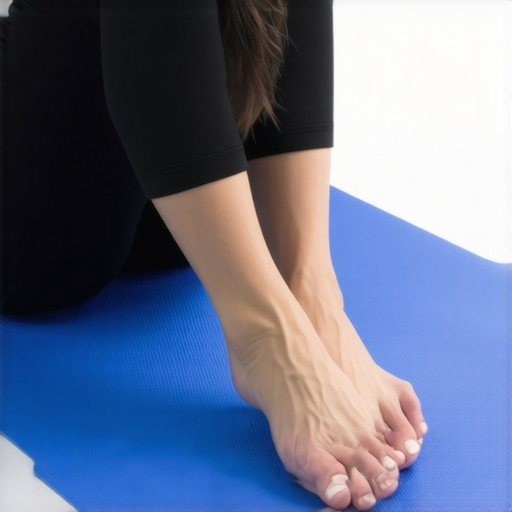 Many people believe that chiropractic adjustments are a quick fix or that they only target the area where pain manifests. However, this narrow view overlooks the nuanced mechanics of the human body. As experts in biomechanics, we understand that true rehabilitation involves addressing root causes, not just symptoms. For example, some practitioners emphasize the importance of specific mobility drills that improve joint function, but what many miss is that improper technique or inconsistent practice can actually hinder progress rather than help. A study published in the Journal of Manual & Physical Therapy highlights that inconsistent application of mobilization techniques may lead to suboptimal outcomes, emphasizing that mastery and precision are crucial for effective results.
Another common myth is that posture improvement is solely about holding muscles in a better position. The truth is, posture is a complex, dynamic interplay of muscular strength, flexibility, and neuromuscular control. Simply forcing a ‘better’ posture without training the underlying systems often results in frustration or relapse. This is why comprehensive programs combining chiropractic adjustments with targeted mobility exercises—like those described in this guide—offer much more sustainable results.
A trap I often see in practice involves over-reliance on passive treatments. While adjustments can provide immediate relief, they aren’t a standalone solution—mobility drills and postural retraining are essential for lasting change. Neglecting these active strategies can create a dependency that hampers the body’s natural ability to heal and stabilize itself. I once learned this lesson the hard way when a client kept returning for adjustments without incorporating active exercises, leading to temporary relief but no real progression.
For those who think that all chiropractors use the same techniques, keep in mind that approaches vary widely. Some focus on diversified manual therapy, while others emphasize instrument-assisted techniques or soft tissue work. Choosing a practitioner trained in nuanced, biomechanics-based care ensures you’re not just getting a ‘crack and go,’ but a comprehensive plan that tackles the interconnected systems affecting your posture and mobility. Want to ensure you’re in capable hands? Review their credentials and approach details, and don’t hesitate to ask about their philosophy.
Making misguided assumptions about chiropractic and mobility can impede your progress. Remember that quality care involves understanding body mechanics deeply, integrating active mobility work, and avoiding the passive trap. Have you ever fallen into this trap? Let me know in the comments. For more insights on creating sustainable posture improvements, check out this article.Maintaining your posture and mobility over the long term requires more than just daily routines; it involves integrating effective tools and establishing consistent habits. One of my favorite investments is a high-quality foam roller, such as the TriggerPoint GRID, which I personally use daily to release my thoracic and lumbar tension. Its textured surface helps break up fascia adhesions, keeping my spine flexible and reducing the need for frequent adjustments. Another essential aid is a set of resistance bands like the Black Mountain Products Resistance Bands, which allow for targeted mobility drills to strengthen weak areas and correct imbalances that could otherwise revert over time. I incorporate resistance band exercises into my warm-up routines, focusing on scapular stabilization and hip mobility, crucial for posture integrity.
Digital tools complement physical maintenance effectively. Apps such as the Pocket Physio series offer guided mobility routines that are tailored to individual needs and can be accessed anytime, ensuring consistency regardless of a busy schedule. I’ve found integrating these visual guides invaluable for maintaining proper movement patterns and tracking progress.
For ongoing education and staying updated with scientific advancements, subscribing to reputable sources like the Journal of Bodywork and Movement Therapies helps me stay informed about emerging techniques and research. Knowing where the field is headed, especially towards personalized and technology-assisted therapies, motivates me to adapt and refine my routines continually. In fact, the upcoming trend emphasizes wearable technology, such as posture-correcting devices, which I believe will become mainstream in the next few years, providing real-time feedback and fostering better habits.
How do I keep my improvements sustainable over time? Consistency is key. I schedule weekly check-ins with myself, reviewing my mobility routines and adjusting as my body adapts. Additionally, periodic professional assessments, approximately every six months, ensure that my habits and tools remain effective and aligned with my evolving needs. This proactive approach helps prevent setbacks and ensures my posture remains resilient.
Remember, the real secret for lasting results isn’t just about using the right tools—it’s about making them a habitual part of your lifestyle. For example, I challenge you to incorporate a simple, targeted mobility move every morning, such as thoracic extensions using a foam roller, to fortify your posture. Consistency in small actions cultivates long-term health, making your posture and mobility efforts truly sustainable. Want to explore more advanced strategies? Check out the comprehensive insights in this upcoming guide for a glimpse into what’s next for posture care.Embarking on my journey through posture correction taught me invaluable lessons that transformed my approach. One of the most profound was realizing that small, often overlooked aspects—like the arch in your foot—can have monumental impacts on your overall health. The hardest lesson I learned was that addressing only the symptoms without investigating foundational causes, such as foot biomechanics, is a fool’s errand. Once I embraced this deeper understanding, my results with clients improved dramatically, reinforcing that true healing requires a holistic perspective. Another insight was recognizing the importance of patience; realignment and lasting change are gradual processes, not quick fixes. Lastly, I discovered that empowering individuals with knowledge about their own bodies accelerates progress—once you understand the why and how, you’re more motivated and consistent in your mobility journey.