
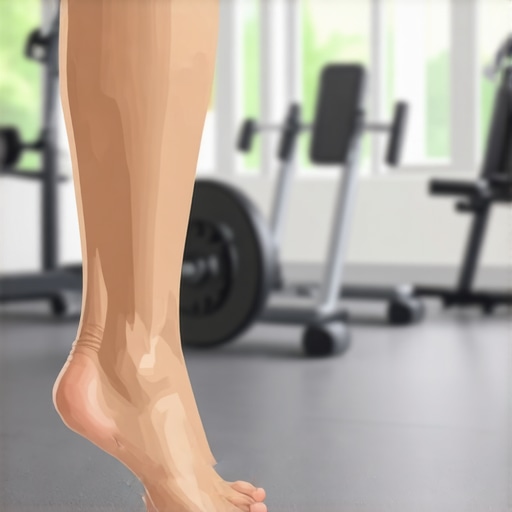
I remember the first time I seriously failed a squat and felt that uncomfortable pinching in my knees. It hit me then—my ankles, those tiny hinges at the bottom of my legs, might be the missing piece in my fitness puzzle. Suddenly, I realized why so many push hard but still struggle to get depth or avoid compromised form. It was like trying to tie a knot with a frayed rope—no matter how much strength I put into it, stability was absent.
This lightbulb moment led me down a rabbit hole of mobility work, chiropractic adjustments, and honest self-assessment. And guess what? Once I paid attention to my ankles, everything changed. My squat form improved, my knees stopped aching, and I finally started hitting progress I’d been chasing for months.
So, if you’ve been battling with your squat, missing that perfect form, or feeling that nagging discomfort, I promise this is the guidance you need. Today, I’ll share how ankle mobility could be the secret weapon to revolutionize your approach to squatting and overall movement—and it’s simpler than you might think.
Why Your Ankles Might Be Holding You Back
Many people overlook their ankles when working on mobility or strength. They focus on their hips, back, or shoulders, thinking those are the key players. But in reality, your ankles serve as the foundation for all lower body movements. If they’re stiff or restricted, it’s like building a house on a shaky base. No matter how much effort you put into your squat, poor ankle mobility will limit your depth, cause your heels to lift, and strain your knees.
Getting your ankles moving freely isn’t just about flexibility; it’s about functional mobility—your ability to move efficiently and safely in everyday life and workouts. Attention to ankle health has even been linked to better balance and reduced fall risk, especially as we age (source: [The Link Between Mobility and Posture](https://quackersneck.com/the-link-between-mobility-and-posture-a-chiropractors-guide)).
Early in my journey, I made the mistake of ignoring my ankles altogether. I’d stretch my hips and back, thinking those were the root issues, but nothing truly clicked until I addressed that stubborn tightness lower down. Once I started integrating simple mobility exercises, my squat improved visibly—and so did my confidence.
Have you faced this stumbling block yet? Or maybe you’ve felt that persistent tightness without knowing why? Well, keep reading. We’re about to dive into practical strategies that can help free up those ankle joints and unlock your full squatting potential. Curious? Let’s get started on transforming your mobility and strength today.
Start with a Self-Assessment to Pinpoint Restrictions
Before jumping into exercises, evaluate your ankle mobility. Stand facing a wall with your toes six inches away. Bend your front knee towards the wall without lifting your heel. If your knee can’t touch the wall or your heel lifts, you have limited dorsiflexion. I once struggled with my squat, and after performing this test, I saw that my inability to keep my heel down was the root cause, prompting me to focus on targeted mobility drills.
Mobilize Your Ankles with Specific Exercises
Anterior Knee Drops
Begin in a half-kneeling position with the front foot flat. Gently press your hips forward, feeling a stretch in the ankle. Stay for 30 seconds, repeat thrice. This helps loosen tight tissues and improve dorsiflexion.
Wall Ankle Mobilizations
Stand facing a wall, place your toes a few inches from it. Keep your heel on the ground and press your knee forward towards the wall. If your knee doesn’t reach the wall comfortably, your ankle needs increased mobility. I once implemented this daily, and within a week, my squat depth improved significantly.
Incorporate Dynamic Stretching into Daily Routine
Dynamic stretches prepare your ankles for movement. An example is ankle circles: lift one foot off the ground, rotate your ankle clockwise and counter-clockwise for 10 reps each. Think of this as warming up the tiny joints that act like tiny hinges, vital for smooth movement.
Edit Your Footwear to Support Mobility
Worn-out shoes or thick heels can restrict ankle movement. Switch to footwear with a flexible sole and low heel. I remember trying squats in stiff-sole sneakers and feeling my heels lift—no wonder my knees hurt! Upgrading to supportive yet flexible shoes made a tangible difference.
Implement Foam Rolling and Soft Tissue Work
Use a foam roller on your calves to release tension, facilitating ankle dorsiflexion. Think of it as easing the muscles that restrict joint movement. I dedicated five minutes daily, and it noticeably improved my mobility over time.
Consistency is Key: Make Mobility a Habit
Practice these exercises daily for at least two weeks. Consistent effort, much like tending to a garden, yields the best results. Remember, the goal is to create a mobile foundation that supports perfect squat form and overall movement—think of it as upgrading your hinges for a smoother swing.
Seek Professional Guidance When Necessary
If tightness persists despite efforts, consult a chiropractor or mobility expert. Sometimes, joint restrictions require precise adjustments. I found that a few chiropractic sessions addressing my ankle and calcaneal alignment accelerated my progress. For deeper insights into mobilizing your joints effectively, explore mobility boosts for posture.
Many think that posture correction is simply about standing up straight or cracking your back regularly, but the truth is far more nuanced. For instance, a widespread misconception is that chiropractic adjustments are a quick fix for all postural issues. While adjustments can provide immediate relief, they often serve as a catalyst for longer-term mobility improvements when combined with targeted exercises. This is highlighted in research indicating that **mobility-focused interventions outperform static adjustments** alone in sustaining posture improvements (source: https://quackersneck.com/how-chiropractic-adjustments-enhance-posture-and-mobility).
Why Do Some Adjustments Backfire?
Incorrect application of chiropractic techniques can sometimes reinforce poor movement patterns if not integrated with proper mobility work. For example, a common mistake is to repeatedly seek adjustments without addressing underlying tissue restrictions, leading to dependency rather than progress. This trap often results from practitioners emphasizing quick fixes instead of **holistic, functional mobility strategies**, which are more effective in the long run. You can explore comprehensive approaches to improving posture through mobility at this resource.
How Can Advanced Mobility Strategies Change Your Approach?
Advanced techniques involve understanding the subtle interplay between joint restrictions and muscular imbalances. For example, focusing solely on spinal alignments neglects the significant role of ankle and hip mobility in maintaining proper posture. Incorporating dynamic mobility exercises can prevent the common mistake of chasing pain with adjustments that don’t address the root causes. As discussed in this article, combining soft tissue work with mobility drills leads to more sustainable improvements. Remember, the goal isn’t just to crack or adjust but to **restore natural movement patterns** that support your body’s alignment.Maintaining the gains you’ve achieved in mobility and posture requires not just effort but also the right tools and strategies to ensure sustainability. One of my favorite investments is a quality foam roller. I personally prefer a dense, high-density foam roller because it provides deeper tissue release without losing its shape over time. Regular soft tissue work on calves and thighs with this tool has been instrumental in preserving ankle mobility and preventing regressions in posture. Additionally, incorporating mobility-specific equipment like resistance bands can help reinforce proper movement patterns. Bands that assist in controlled ankle dorsiflexion and hip mobilizations let me perform exercises with precision, ensuring long-term benefits. For my digital routine, I rely on a mobility tracking app, such as ‘Mobility Master,’ which helps me log daily exercises, set reminders, and monitor progress, making consistency more manageable. As technology advances, AI-driven apps are emerging that analyze your movement patterns via smartphone cameras, offering personalized feedback—something I see as the future of sustaining posture improvements.
How do I maintain posture and mobility over time?
Consistency is essential. I schedule daily mobility sessions—just 10 minutes in the morning—using my foam roller, resistance bands, and mobility app. This routine acts as a preventive measure against stiffness and helps integrate new movement habits. Regular chiropractic check-ins are also part of my maintenance plan. I choose a practitioner who emphasizes functional mobility and joint health rather than quick fixes, aligning with the latest trends in sustainable posture correction. For ongoing support and advanced techniques, I recommend exploring resources like this article. Looking ahead, I believe the integration of wearable tech will revolutionize maintenance, providing real-time feedback and adjustments tailored to individual needs. Embracing these tools today can set a foundation for a healthier, more mobile future—so I encourage you to try using resistance bands for ankle mobilizations tomorrow morning. A small daily investment can yield massive long-term benefits and keep your progress on track.
What the Quiet Revelations Taught Me About Limitations
One of the hardest lessons was realizing that my stubborn ankle stiffness was not just about flexibility but about a deeper coordination issue I’d often ignored. I used to think stretching was enough until I saw that my body needed more targeted mobility work combined with soft tissue release. Accepting that progress comes from consistency and patience was like unlocking a door I’d been banging on for years.
Another insight was recognizing that false improvements could occur if I focused solely on appearance or superficial stretches. Deep down, I understood that real change required addressing the root of my restrictions—the tissues and joint mechanics—rather than just the symptoms.
The biggest breakthrough was understanding that ankle mobility was intertwined with my entire movement chain. Improving my ankles didn’t only help with squats; it improved my posture, balance, and even diminished long-standing knee discomfort. Sometimes, the smallest joints hold the key to lasting change in our body’s symphony.
My Top Picks for Elevating Your Mobility Journey
First, I trust the comprehensive guidance found at mobility boosts for posture. Its in-depth approach integrates soft tissue work with progressive exercises, which made a difference in my routine. Second, for understanding the deeper mechanics behind posture and mobility, the article on chiropractic techniques in 2025 opened my eyes to sustainable adjustments. Lastly, staying motivated is easier with a trusted tool like a high-density foam roller, which I use daily to maintain soft tissue flexibility, and a mobility tracking app like ‘Mobility Master’ that helps me stay on course. Combining these resources made my journey more intentional and effective.
Your Path to a More Mobile and Aligned Future Starts Now
Remember, transforming your ankle mobility and improving posture isn’t about quick fixes—it’s about creating lasting habits that honor your body’s natural design. Every small effort adds up, and it’s never too late to start making positive changes. Embrace the process, trust the tools, and enjoy the progress along the way. Your healthier, more mobile future awaits—take that first step today.