
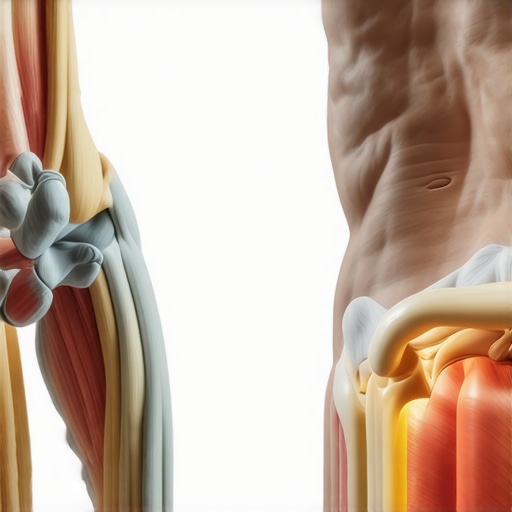
It happened again yesterday—standing in line, feeling that familiar tightness in my hips, the one I thought only came from hours at my desk. But here’s the thing: I hadn’t been sitting much at all lately. That lightbulb moment hit me hard. If it’s not just sitting, then why are my hip flexors constantly stiff? Now, I know I’m not alone. Many folks struggle with this persistent tightness, feeling like their hips are locked in place no matter how much they stretch or foam roll.
Decoding the Hidden Reasons Behind Persistent Hip Tightness
Many believe that sitting all day is the main cause of tight hip flexors. But the truth is, there’s more to the story. Factors like posture habits, muscle imbalances, and even stress can keep these muscles in a perpetual state of tightness. I used to think I just needed to stretch more, but that only provided temporary relief. What truly made a difference was understanding the deeper causes and adjusting my approach accordingly.
Is Stretching Enough To Fix It?
Early in my journey, I made the mistake of relying solely on stretching routines, thinking that would solve the problem. Turns out, over-stretching muscles that are chronically tight can sometimes make things worse. It’s like trying to loosen a knot in a rope by pulling harder—it might tighten further. Instead, addressing the root causes with targeted mobility exercises and professional adjustments proved to be far more effective. Want to learn how to truly break free from this cycle? Keep reading.
Start with Self-Assessment and Posture Correction
Before diving into exercises, observe how you stand and sit throughout the day. Notice if one hip tilts or if your pelvis wiggles when you move. Think of your posture like the foundation of a house—if it’s crooked, everything else will be off. Using a mirror or recording yourself can reveal patterns you might not feel. Correcting these habits creates a stable base for mobility work and is like leveling the foundation before renovating.
Implement Targeted Mobility Exercises Regularly
Mobilizing your hips is about gentle, consistent movements. For example, hip circles or leg swings like a pendulum loosen up stiff joints and muscles. I recall a morning I spent 10 minutes doing these exercises, focusing on smooth, controlled motion. Initially, I felt awkward, but over a week, I noticed a significant reduction in tightness. Imagine these exercises as oiling squeaky hinges—keeps things moving smoothly instead of jamming up.
Use Dynamic Stretching to Warm Up
Dynamic stretches actively engage muscles and prepare them for movement. Instead of static holds, do leg lifts or lunges with movement to encourage blood flow. Like warming up an engine before driving, this step reduces injury risk and enhances flexibility.
Apply Foam Rolling and Myofascial Release
Target tight spots with foam rolling. Position the roller like a rolling pin over your thigh and hips, applying gentle pressure. For stubborn knots, spend extra time on those areas, similar to kneading dough until it becomes soft. I found that rolling my hip flexors after workouts alleviated lingering tightness and improved recovery.
Integrate Professional Adjustments for Lasting Change
While exercises help maintain mobility, manual therapy like chiropractic adjustments can correct joint misalignments that contribute to stiffness. Think of it as realigning the Tinker Bell doll’s wings—small corrections can unlock a huge difference in movement. Visiting a chiropractor specializing in mobility can address underlying restrictions not reachable by exercises alone. They’ll evaluate your spine, pelvis, and hips, releasing tight restrictions and restoring natural flow.
Focus on Functional Movement Patterns
Practice movements that mimic daily tasks, such as stepping over obstacles or getting up from the floor. These reinforce proper joint mechanics and muscle activation. For instance, practicing controlled hip hinge movements helps prevent compensation patterns that cause pain or stiffness. Imagine retraining your body’s default way of moving, like updating a software program for better efficiency.
Maintain Consistency and Monitor Progress
Consistency is key. Schedule short sessions daily or every other day, integrating mobility work into your routine like brushing your teeth. Keep a journal or take periodic photos to track improvements—seeing progress can motivate continuation. Just like sharpening a blade, regular, small adjustments keep your hips free and mobile over time.
Adjust and Personalize Your Approach
No two bodies are alike. If a certain stretch or exercise causes pain, stop immediately and consult a professional. Tailor your routine based on how your body responds. For more personalized guidance, consider professional assessments that combine chiropractic and mobility strategies. They can identify specific restrictions and craft a tailored plan that targets your unique needs.
Remember, restoring hip flexibility isn’t a quick fix but a continuous process. Embracing a multifaceted approach—combining self-care, professional help, and mindful movement—sets the stage for lasting relief and improved quality of life. Learn more about how chiropractic adjustments can significantly enhance your posture and mobility at this resource, and discover targeted mobility exercises to revolutionize your movement habits here.
Many believe that a single chiropractic adjustment is a quick fix for posture and mobility issues, but in my experience, this oversimplification can lead to missed opportunities for comprehensive healing. The truth is, most people get mistaken about the true value and purpose of adjustments. It’s not just about cracking bones; it’s about aligning joints to create a foundation for better movement. Relying solely on adjustments without addressing lifestyle factors like posture habits or mobility exercises can limit long-term benefits.
Why do many think adjustments are a quick fix?
They often underestimate the importance of integrating multifaceted strategies—exercise, posture correction, and stress management—that sustain progress. For example, a common myth is that adjustments alone will fix years of poor habits, but research shows that combined approaches are more effective (see this guide). Beware of the trap where people assume that once their pain subsides, they can abandon their routines. This can cause relapse or even exacerbate existing issues. Think of adjustments as a catalyst, not a cure-all. Your body fundamentally needs to be reprogrammed through targeted mobility work and conscious effort to sustain improvements. The misconception that posture correction happens passively can be detrimental. **Take action**: combine chiropractic care with active engagement in mobility exercises for enduring results. Want to deepen your understanding? Check out this comprehensive resource.
Misunderstanding the role of mobility is another frequent error. Many think that stiff muscles just need stretching, but in reality, joint restrictions often hinder optimal movement, making soft tissue work insufficient. A nuanced approach involves releasing joint restrictions first, then reinforcing mobility through specific exercises. Over-reliance on foam rolling without addressing underlying joint issues can lead to temporarily increased pain or even injury, which I’ve seen in clients trying to speed up recovery. This is where professional guidance is crucial—targeted adjustments and assessments help identify whether joint or muscular restrictions predominate, ensuring your efforts are efficient.
What advanced mistakes do people make about posture and mobility?
They often ignore how habitual patterns—like sleeping positions or workspace ergonomics—can perpetuate misalignments. For instance, failing to correct a tilted pelvis during daily activities might render adjustments ineffective over time. Integrating lifestyle changes with regular chiropractic sessions amplifies benefits, leading to a more resilient, pain-free life. This approach aligns with findings from leading experts, emphasizing the symbiotic relationship between posture, mobility, and joint health (see this article). Remember, sustainable progress hinges on understanding and correcting these subtleties. Are you ready to think beyond the quick fix? Dive into this article for advanced insights.
When approaching your health journey, keep in mind that adjustments are just one piece of the puzzle. True transformation occurs when you understand these nuanced aspects and actively participate in your recovery. Have you ever fallen into this trap? Let me know in the comments.Maintaining your mobility and posture improvements over the long term requires more than just sporadic exercises; it demands a strategic approach leveraging the right tools and methods. Personally, I find that integrating specific equipment and software not only enhances my progress but also keeps my routine engaging and effective. One indispensable tool I regularly use is a high-density foam roller. Unlike standard rollers, a textured, firm foam roller targets fascia and deeply ingrained muscle restrictions, which are often overlooked in basic stretching routines. I personally prefer the TriggerPoint GRID foam roller because of its durability and effectiveness in breaking apart stubborn tissue knots, especially in the hips and lumbar region. Additionally, incorporating resistance bands, such as loop bands like the TheraBand ActiveResist, adds an active dimension to mobility drills, challenging muscles and joints in a controlled manner, fostering stability and flexibility simultaneously. For example, anchoring a loop band around a sturdy object while performing hip abductions allows me to activate and strengthen the muscles that support optimal movement patterns. What’s more, embracing digital tools like mobility tracking apps can significantly boost accountability. I recommend apps like TrainHeroic or MyFitnessPal, which enable you to log daily routines and monitor your progress. Tracking not only keeps me motivated but also helps identify when I need to adjust my program or seek professional guidance. Looking ahead, the trend is shifting towards AI-driven movement analysis, where apps can evaluate your form using just your smartphone camera and provide personalized feedback. This integration of technology ensures that your mobility work adapts to your evolving needs, reducing plateaus and preventing injury.
How do I maintain my mobility program over time?
The key lies in consistency and smart adjustments. Regularly revisiting your routine, updating your tools, and seeking professional input when necessary ensures sustainable progress. If you’re serious about locking in your gains, consider scheduling periodic check-ins with a chiropractor or physical therapist who can tune up any misalignments or restrictions that standard routines might overlook. Integrating tools like foam rollers, resistance bands, and digital tracking into your daily or weekly plan creates a comprehensive system that keeps your mobility working for you long after the initial improvement. Remember, technology isn’t just a convenience—it’s a powerful partner in your journey toward lasting movement freedom. To dive deeper into optimizing your posture with expert strategies, explore the insightful article on [chiropractic adjustments and mobility](https://quackersneck.com/how-chiropractic-adjustments-enhance-posture-and-mobility). And if you’re ready to supercharge your routine, try incorporating a targeted massage roller session each week to maintain tissue health and prevent regressions. Your body will thank you for the investment.
Lessons That Changed My Approach to Movement
One of the most profound realizations I had was that correcting posture isn’t just about quick fixes; it’s about understanding your body’s unique language and history. For example, I used to think every tight muscle was a sign to stretch, but I learned that joint restrictions often lie beneath, requiring targeted adjustments. Discovering the importance of addressing root causes rather than just symptoms transformed my recovery journey.
I also realized that patience outweighs intensity. Immediate improvements are tempting, but sustainable change emerges from consistent, small efforts over time. Incorporating mobility exercises alongside professional care nurtures a resilient foundation, making progress more reliable and lasting. This shift in mindset was a game-changer I wish I’d adopted sooner.
My Go-To Tools and Resources for Better Posture and Mobility
One essential tool I swear by is the TriggerPoint GRID foam roller. Its textured surface allows me to penetrate fascia deeply, especially around the hips and back, releasing stubborn knots that hinder movement. Pairing this with resistance bands like TheraBand ActiveResist has allowed me to combine fascial release with active strengthening, sharpening my functional mobility.
The book “Why Your Core Strength Alone Won’t Fix Your Posture” changed my perception by highlighting how joint mobility and alignment are just as vital as muscle strength. Lastly, I rely on the digital tracking apps to monitor my routines, ensuring accountability. These tools, combined with professional insights, create a comprehensive system that sustains progress and keeps me motivated.
Take Action, Embrace Your Movement Journey
Your path to better posture and mobility is uniquely yours, but the key lies in continuous effort and self-awareness. Don’t shy away from exploring different tools and techniques—your body responds best when you’re curious and adaptable. Remember, real change isn’t a sudden event; it’s a sustained lifestyle. Dive deeper into how chiropractic adjustments and mobility exercises can work hand-in-hand at this resource, and start weaving these practices into your daily routine today. Your future self will thank you for the commitment you make now.