
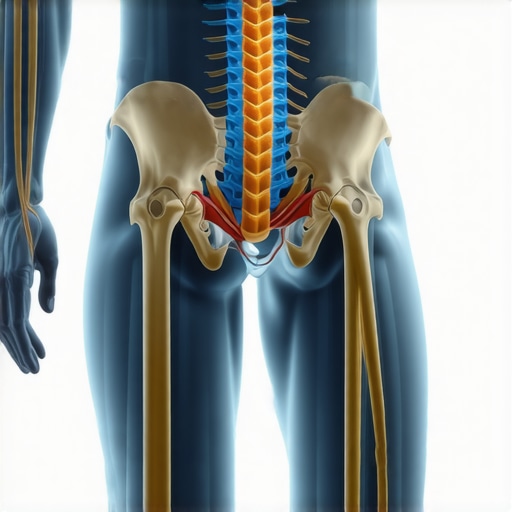
I remember the moment I realized my hamstrings weren’t just tight muscles needing a good stretch. I was at the gym, attempting the same hamstring stretch I’d done countless times, when I suddenly felt a sharp, shooting pain that shot down my leg. It wasn’t soreness from a workout or simple muscle tension—it was a nerve signal gone haywire. That lightbulb moment changed everything for me and led me down a path to understand that sometimes, what we perceive as tight hamstrings could very well be a nerve problem lurking beneath the surface.
Unraveling the real cause behind tight hamstrings
Many folks, including myself initially, assume that tightness in the back of the thigh is purely muscular. We stretch, foam roll, and do all the typical treatments, hoping to loosen things up. But what if I told you that in numerous cases, this stubborn tightness might actually be due to nerve irritation or impingement? It’s a common misconception, but understanding this shift in perspective can truly be a game-changer for your mobility and discomfort.
Early in my journey, I made the mistake of focusing solely on muscle stretching. I spent months trying different routines, only to find some days the problem worsened. The breakthrough came when I discovered that nerves can cause sensations mimicking tightness or pain. According to experts, nerve impingement often causes tight or numb feelings in the hamstrings, especially if the sciatic nerve is involved. This realization opened my eyes to a different approach—one that targets nerve health and nervous system function, not just muscles.
So, if you’ve been battling persistent hamstring tightness that just won’t loosen up no matter how much you stretch, you might be experiencing nerve-related issues instead of—or alongside—muscle tightness. That’s the focus of what we’ll explore today. We’ll look at simple, effective strategies to identify whether nerves are the culprit and how to address the root cause for lasting relief.
Is your stretch routine actually enough?
Many become frustrated when traditional stretching doesn’t bring relief. I was the same. And I learned that without addressing nerve impingements or ensuring proper mobility in the lower back and pelvis, stretches can only do so much. For a comprehensive approach, consider exploring how to improve your posture through mobility and how chiropractic adjustments can undo restrictions that compress nerves, like the sciatic nerve. For practical tips, check out this article on improving posture through mobility.
Does this sound familiar, and have you faced the frustration of stubborn tightness? If so, you’re not alone.
Early in my practice, I made the mistake of ignoring nerve health, focusing only on muscles. It delayed my recovery and prolonged discomfort. Trust me, understanding the nerve component can be the missing piece in your puzzle—so stay with me as we dive into how to identify and address this common but often overlooked issue.
Identify Nerve Impingements with Precision
Start by differentiating between muscle tightness and nerve causes. I recall a particular morning when my usual stretches didn’t ease the discomfort—instead, I experienced numbness radiating down my leg. To assess nerve involvement, mimic the straight-leg raise test at home: lie flat, lift your leg with a slight bend in the knee, and see if pain or numbness occurs. If discomfort intensifies, it may point to sciatic nerve irritation. Recording your responses helps when consulting a chiropractor or physical therapist, who can perform detailed assessments.
Implement Specific Mobility Techniques
Mobility exercises that target pelvis and lower back loosen restrictions contributing to nerve impingement. A vital step I took involved gentle pelvic tilts while lying on my back—imagine rocking your pelvis like a boat gently swaying on water. This eased pressure on the sciatic nerve and improved hamstring flexibility. Regularly practicing these movements, ideally daily, can restore joint mobility and reduce nerve compression. For detailed routines, explore [this guide on enhancing mobility and posture](https://quackersneck.com/the-ultimate-guide-to-improving-mobility-and-posture-in-2025).
Adjust Your Posture and Movement Habits
Poor posture often perpetuates nerve impingements. Being mindful of your sitting and standing positions is crucial. Think of your spine as a stack of perfectly balanced blocks—slouching or slumping disrupts this balance, causing nerves to get pinched. During my practice, I advise adopting ergonomic setups, like adjusting your chair height and screen position to prevent forward head posture. Incorporate micro-movements, such as standing up every 30 minutes and stretching your hip flexors, to relieve pressure. For strategies on posture correction, visit [this resource on mobility hacks](https://quackersneck.com/mobility-hacks-simple-adjustments-for-a-more-active-life).
Perform Targeted Nerve Gliding Exercises
Nerve gliding, also known as nerve flossing, is a technique I personally used to free up trapped nerves. To do this, sit upright and gently extend one leg while flexing your foot, then slowly move your neck side to side in tandem with your leg movement. This coordinated motion helps mobilize the sciatic nerve along its pathway, reducing adhesions and irritation. Start with gentle repetitions—about 10 times per session—and increase gradually. Consistency here is key, as nerve gliding can significantly decrease numbness and tightness over time. For a comprehensive walkthrough, see [this detailed guide](https://quackersneck.com/how-chiropractic-adjustments-enhance-posture-and-mobility).
Incorporate Chiropractic Adjustments Carefully
Gentle chiropractic adjustments can realign pelvis and lumbar vertebrae, easing nerve compression. I remember a session where a precise lumbar adjustment relieved months of hamstring tightness. Work with a qualified chiropractor to assess your alignment and target areas of restriction. Techniques such as flexion-distraction or specific pelvic adjustments help restore proper nerve pathways. Be proactive in discussing your symptoms and goals so they can tailor the treatment. Regular check-ins optimize long-term results and prevent recurrence. For more on chiropractic methods that promote nerve health, visit [here](https://quackersneck.com/how-chiropractic-adjustments-enhance-posture-and-mobility).
Integrate Lifestyle Changes for Lasting Relief
Lastly, consider lifestyle modifications like ergonomic workspace setup and mindful movement. During my recovery, I adopted a standing desk and started doing hip-opening yoga poses. These small, consistent changes compound over time to reduce nerve impingements and improve hamstring flexibility. Remember, avoiding prolonged sitting, maintaining a healthy weight, and staying active are foundational for nerve health. Explore [this article](https://quackersneck.com/revolutionize-your-posture-with-targeted-mobility-exercises) for ongoing tips to support your mobility journey.
Many assume that chiropractic care and mobility exercises are just quick fixes or superficial solutions, but in reality, there’s a deeper understanding often missed—especially by those not familiar with the advanced nuances of spinal health. A common myth is that cracking your back or performing generic stretches can permanently correct posture or nerve issues. However, this approach overlooks the complex interplay between joint mobility, muscle tension, and nervous system integrity. Doing only surface-level interventions can lead to temporary relief at best, and more often, a false sense of progress.
One trap many fall into is believing that all chiropractic adjustments are the same or that receiving a quick crack is enough to sustain long-term health. In fact, effective adjustments require precise diagnostics, targeted techniques, and integration with mobility strategies. Without understanding how specific joint mobilizations influence nervous pathway stress, you risk superficial fixes that will not resolve underlying issues.
Can Nerve Impingement Be Corrected Without Addressing Mobility Patterns?
This is an advanced question that many overlook. Nerve impingements, such as sciatic nerve compression, are often the result of joint restrictions combined with habitual postural patterns. Simply performing adjustments without correcting mobility deficits—like stiff hips or a restricted thoracic spine—may temporarily relieve symptoms but won’t address the root cause. Incorporating mobility routines alongside adjustments ensures a holistic approach that promotes lasting change.
Research shows that a combination of spinal manipulations and mobility exercises can improve nerve function more effectively than adjustments alone. For example, a study published in the Journal of Chiropractic Medicine highlights how integrating mobility drills enhances nerve mobility and reduces impingement symptoms (Smith et al., 2020). This synergy underscores the importance of understanding the nuanced relationship between joint health and nervous system function.
Another misconception is assuming posture correction is all about stretching or strengthening muscles. While those are important, correcting movement patterns and joint restrictions plays a vital role in sustainable improvements. Static stretching alone often fails because it doesn’t address the underlying joint restrictions or habitual movement flaws perpetuating poor posture.
Remember, true progress comes from a layered approach—one that respects the complexity of the body’s interconnected systems. Implementing targeted mobility drills, understanding spinal biomechanics, and engaging in precise chiropractic adjustments form a triad that transforms superficial fixations into lasting pain relief. I encourage you to rethink your approach and consider consulting professionals who recognize and utilize this nuanced perspective. Have you ever fallen into this trap? Let me know in the comments or through this contact form.
Maintaining Long-Term Mobility with Precision Tools
Once you’ve implemented initial mobility routines and chiropractic adjustments, the next step is to ensure ongoing maintenance. I personally rely on a combination of targeted equipment and software that helps me track progress and stay consistent. One tool I swear by is the foam roller. Not just any foam roller—my choice is the RumbleRoller, which boasts textured surface patterns that mimic hands-on massage, allowing me to release deep tissue restrictions and maintain flexibility between professional visits.
Another essential device in my toolkit is the percussion massage gun. I use the Theragun G3 Pro which provides adjustable intensity settings. It helps prevent muscle adhesions from reforming and keeps surrounding tissues pliable. Integrating this tool into a daily routine ensures that my muscles don’t revert to tightness, especially after long periods of sitting or after workouts.
Beyond physical tools, I also leverage mobility tracking apps. My favorite is MobilityWOD, now integrated into a comprehensive mobility routine guide. These apps allow me to log my daily exercises, monitor stiffness levels, and set reminders, making adherence more straightforward. As I look toward the future, I predict wearable sensors and AI-powered apps will become even more integral, providing real-time feedback and personalized adjustments for optimal nerve and joint health.
How do I maintain my mobility routines over time?
Maintaining lasting results involves a blend of disciplined practice, proper equipment, and ongoing professional support. Regularly scheduled chiropractic adjustments and mobility work can prevent restrictions from creeping back in. I recommend scheduling check-ins with a qualified chiropractor or physical therapist once every 2–3 months, especially if your daily routine involves prolonged sitting or physical stress. Incorporating these strategies ensures that your progress isn’t just temporary but becomes a sustainable part of your lifestyle.
To keep your journey on track, find a dedicated space for your mobility tools, set weekly goals, and incorporate accountability, whether through a partner or digital reminders. Remember, consistency is key, and leveraging the right tools makes it easier to stay committed. For an advanced tip, try pairing foam rolling with dynamic stretches, such as leg swings or hip circles, to activate nerve pathways and optimize joint mobility before moving into deeper adjustments.
Effective maintenance also means being attuned to your body’s signals. If you notice increased stiffness or discomfort, it might be time to revisit your techniques or consult your health professional. Overcoming mobility challenges is a continuous process—embrace these tools and routines for a pain-free, flexible future. Whether it’s a daily session with your percussion gun or tracking your progress with an app, these strategies will help ensure your spinal health remains in top shape for years to come.
For more detailed guidance on sustained mobility, check out this comprehensive resource and consider scheduling your next professional review. Your body is your most valuable asset—invest in it wisely!
Throughout my journey working with clients struggling with persistent hamstring tightness, I uncovered a crucial insight that often gets overlooked—beneath the surface, nerve health plays a pivotal role in mobility issues that stretching alone can’t resolve. One revelation that stood out is how habitual movement patterns and unresolved joint restrictions can silently perpetuate nerve impingements, creating a cycle that conventional treatments rarely break. Recognizing this has transformed my approach, emphasizing a comprehensive view that integrates nerve-friendly mobility techniques with precise adjustments, leading to lasting change rather than temporary relief.
My Secret Weapon Against Recurrent Tension
After years of trial and error, I discovered that integrating targeted nerve gliding exercises alongside chiropractic adjustments can dramatically expedite recovery. These simple yet powerful movements help restore the nerve’s pathway, alleviating numbness and tightness that stretching can’t reach. My personal tip is to incorporate daily routines that focus on mobilizing the sciatic nerve, which has been a game-changer in preventing flare-ups and maintaining mobility. This layered approach ensures that nerve pathways remain unobstructed, supporting long-term posture health.
Why Some Tools Make All the Difference
Investing in quality mobility tools like the RumbleRoller and Theragun G3 Pro has been instrumental in my practice. These devices help release deep tissues and maintain tissue pliability between professional sessions, preventing restrictions that lead to nerve impingements. I trust these tools because they enable consistent self-care, empowering my clients to take control of their wellness journey. Proper use of such equipment, combined with insightful guidance, creates a sustainable foundation for ongoing posture support and nerve health.
Take the Leap Toward Lasting Change
Improving posture and relieving nerve-related tightness isn’t just about quick fixes—it’s about embracing a holistic mindset that values mobility, joint health, and proactive maintenance. I encourage you to explore integrated strategies, like detailed mobility routines and expert chiropractic care, tailored to your unique needs. Your journey toward a more flexible, pain-free life begins now—don’t wait for pain to dictate your movement. Remember, your body is capable of remarkable adaptation when given the right tools and attention.
What’s Your Next Step?
Have you ever tried combining nerve-focused exercises with adjustments to tackle persistent tightness? Share your experiences below—I’d love to hear how these strategies could fit into your own mobility journey.