

Have you ever been gliding along on your bike when suddenly, a numbness creeps into your lower back, leaving you feeling shaky and uncomfortable? I remember the exact moment I recognized it was time to rethink my seat positioning. One day, after a long ride, I felt a dull ache that refused to fade away. It was a lightbulb moment—my bike seat was no longer doing its job.
The Secret to Ending That Persistent Numbness
For years, I just accepted the discomfort, thinking it was part of cycling at my age. But it wasn’t until I started paying closer attention to my seat height and angle that I found real relief. Today, I’ll share exactly how you can adjust your bike seat for better comfort and to prevent that frustrating lower back numbness. Trust me, this isn’t just about comfort; it’s about safeguarding your spinal health and riding longer, stronger, with less pain.
Does Your Bike Seat Adjustment Really Make a Difference?
Early on, I made the mistake of thinking seat height was just about leg extension. Turns out, the angle and position matter just as much—sometimes even more. Overdoing it can lead to misalignment, causing nerve compression or muscle strain. If you’ve tried to tweak your seat and still suffered from numbness or back pain, you’re not alone; many cyclists overlook these finer details. For a comprehensive approach, check out this guide that links mobility and posture correction to improved riding comfort.
So, if you’ve faced this problem, stay tuned. We’re about to dive into practical steps that will bring relief and help protect your back during every ride. Ready to transform your cycling experience? Let’s get started.
—*Note: Remember, a proper seat alignment isn’t just about comfort; it’s a critical part of maintaining healthy posture and avoiding long-term injury.*
Start with the Right Seat Height
Set your bike seat so that when your foot is at the bottom of the pedal stroke, your knee is just slightly bent—about 25-30 degrees. I remember struggling for weeks, trying different heights. One Sunday, I adjusted my seat to this sweet spot, and almost immediately, my lower back pain eased. Use a piece of chalk or a marker to note your initial position so you can revert if needed. Remember, small incremental changes yield the best results.
Align the Seat Angle Correctly
Next, tilt the saddle slightly downward or keep it level—avoid angling it too high or too low. A seat tilted upward can cause you to slide forward, increasing strain on your lower back. I once kept my saddle tilted up by just a few degrees, which aggravated my discomfort. During my next adjustment, I tilted it just enough to keep me stable. Test this by riding briefly and feeling whether your hips stay level or tilt excessively. Fine-tune until you find a natural, comfortable position.
Find the Optimal Fore-Aft Position
Adjust the saddle forward or backward to ensure your knees track over the pedal axle when pedaling. Imagine your body as a perfectly balanced machine: too far forward or back throws off your alignment. I moved my saddle back slightly after noticing my knees drifted ahead of the pedals, which caused my lower back to tense up. Sit on the bike and pedal lightly while observing your knee’s position; it should be roughly over the pedal center at saddle height. Small tweaks make a big difference.
Ensure Proper Lumbar Support and Posture
Don’t ignore your lower back’s curvature. Use padding or a saddle with adequate lumbar support if needed. During a long ride, I found that adding a small foam pad to my saddle helped maintain lumbar lordosis, preventing fatigue and numbness. Keep your torso upright, shoulders relaxed, and avoid leaning too far forward. This position distributes weight evenly, reducing nerve compression.
Implement Mobility and Stretching Routines
Routine mobility exercises keep your muscles flexible, reducing the likelihood of misalignment. I incorporated thoracic mobility drills into my weekly routine, which improved my posture on and off the bike. Visit this resource for examples. Additionally, regularly stretching your hip flexors and hamstrings alleviates tightness that could cause improper saddle positioning or spinal strain.
Utilize Proper Pedal and Cleat Positioning
Align your cleats and pedals to match your natural foot position. Misaligned cleats can create torque and misbalance, contributing to back discomfort. When my cleats were off-center, I noticed an increase in lower back pain. I used an alignment tool to ensure my feet pointed straight ahead during rides. Check your foot angle regularly, especially after adjusting seat position, to maintain congruency.
Regularly Reassess Your Setup
Bike fitting isn’t a one-and-done task. Revisit your settings after every few rides or if you experience discomfort. I once ignored slight numbness that worsened over weeks; a quick reassessment revealed I had subtly shifted my saddle during a long trip. Frequent tweaks keep your posture optimal and prevent nerve compression, ensuring pain-free cycling.
Adjusting your bike seat is a process of detailed fine-tuning—think of it as calibrating a precision instrument. Consistency and patience are key. By methodically setting your height, angle, fore-aft position, and supporting your mobility, you drastically reduce the risk of lower back numbness and enjoy longer, more comfortable rides.
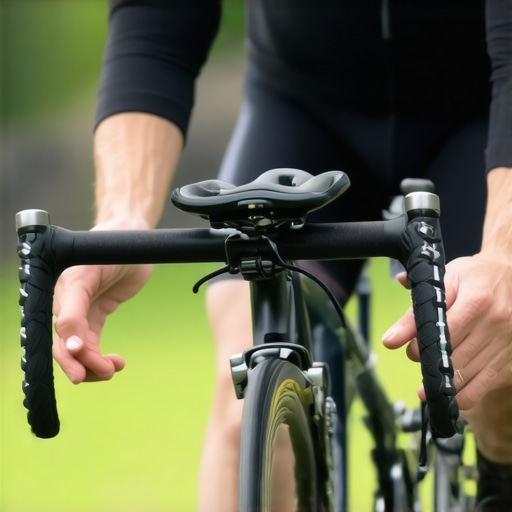 Many individuals assume that chiropractic care is solely about cracking bones or quick fixes, but in reality, there’s a vast layer of nuance often overlooked. One common myth is that adjustments alone can permanently resolve posture issues. However, without addressing underlying mobility restrictions and habitual postural habits, these adjustments might only provide temporary relief. For example, recent research highlights that integrating mobility routines dramatically enhances the longevity of chiropractic benefits, emphasizing that posture is as much about movement as it is about alignment. In my experience, a crucial mistake is believing that spinal adjustments are a one-time fix, when in truth, they are most effective when combined with active lifestyle modifications. This is why I advocate for a comprehensive approach, incorporating targeted mobility exercises and ergonomic adjustments, as detailed in this guide. A hidden nuance many miss is that poor posture often stems from tightly wound muscle groups or joint restrictions—causes that adjustments alone can’t fully rectify unless complemented by mobility work. An advanced consideration is understanding the role of neuromuscular control; simply realigning joints doesn’t retrain the brain to maintain optimal posture, which is why functional movement training is vital. For more on integrating these strategies, check out this article. Beware the trap of focusing solely on symptom relief; true progress demands addressing root causes. Have you ever fallen into this trap? Let me know in the comments.
Staying consistent with your posture and mobility routines requires more than just commitment—it demands the right tools and maintenance strategies. Over time, even the best techniques can lose their effectiveness if neglected or unsupported by proper equipment. Here, I’ll share the specific tools I personally rely on to maintain and enhance my spinal health, along with insights into their long-term use and how to scale these practices as you progress.
How do I keep my posture improvements working over time?
The foundation of sustained progress involves integrating mobility aids like foam rollers and resistance bands. I particularly recommend the Rumble Roller because its textured surface provides deep tissue massage that releases muscle knots, which are often the root cause of postural issues. Using it regularly—about 3-4 times a week—helps maintain flexibility and reduces muscle tightness that can creep back over time.
In addition, I rely on digital tools like the Mobility Lab app, which tracks my daily movement patterns and offers tailored exercises. This real-time feedback keeps me aware of my posture, making it easier to catch deviations early. As I improve, I progressively increase the challenge by adding resistance or complexity to my routines, ensuring continual growth and adaptation. Future trends suggest integrating AI-driven posture correction devices, offering personalized guidance directly from wearable technology, which I believe will revolutionize long-term maintenance.
What equipment is essential for scalable mobility work?
For those looking to scale up their routines, investing in a quality lumbar roll is a game changer. I use a memory foam lumbar support during long sitting sessions, reducing strain and encouraging a healthy spine curve. Over time, combining this with ergonomic adjustments—like your chair height and desk setup—creates an environment that supports your posture all day. Proper lumbar support ensures your spinal alignment isn’t compromised by habits or fatigue.
Furthermore, maintaining your tools is crucial. Regularly cleaning and inspecting resistance bands prevents tears and injuries, ensuring safe use as your strength and mobility levels increase. Keep a schedule for equipment maintenance, akin to tuning a vehicle, to ensure it continues to serve your long-term goals effectively.
Maximize results with expert guidance and automation
As the landscape of posture and mobility evolves, more practitioners advocate for combining hands-on adjustments with technological aids. For example, advanced chiropractic techniques integrate motion sensors and biofeedback to tailor interventions precisely. Embracing these innovations can exponentially improve your ability to sustain progress, making your routines more effective and less prone to regression.
To truly keep your improvements working, I recommend incorporating digital progress tracking alongside your physical tools. Regular self-assessments or periodic professional evaluations help identify subtle regressions before they become problematic. Remember, consistency in maintenance is vital—think of it as the calibration of an instrument that keeps your body functioning at optimal levels.
Try adopting one of these advanced tools, like a foam roller with textured surface, combined with scheduled mobility routines, and observe how it elevates your long-term results. Small, deliberate investments in quality equipment paired with disciplined maintenance will keep your posture and mobility thriving for years to come.
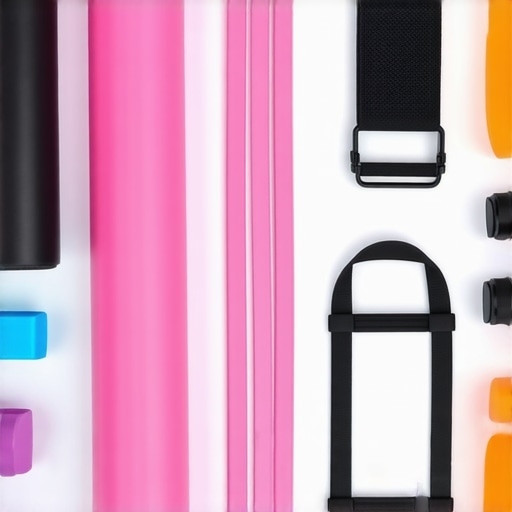
Visualize your setup with a professional-grade foam roller, resistance bands, and ergonomic workspace that promote proper posture. An illustrative image demonstrating these tools can inspire you to implement your maintenance plan effectively.
Over the years, I realized that many of the assumptions about posture and mobility were hiding crucial insights. One profound lesson I learned is that consistency outperforms sporadic effort; integrating simple daily routines made a world of difference in my back health. Additionally, I discovered that personalized adjustments—listening carefully to my body’s signals—are far more effective than generic prescriptions. Perhaps most surprising was how mental relaxation and stress management play vital roles in maintaining spinal well-being, reminding me that healing is as much psychological as it is physical. Embracing this holistic view has empowered me to sustain better posture and enjoy my rides without fear of numbness creeping back.