

Ever been caught off guard by that sudden, sharp jolt in your back right when you bend down to pick up something simple? One moment, you’re moving casually; the next, an unexpected stabbing sensation makes you freeze in place. I remember the first time it happened to me — I was reaching for a book on the floor, and suddenly, a fiery shock shot through my lower back, leaving me stiff and cautious for days. It was a wake-up call that something wasn’t right with my mobility and posture.
Why That Sharp Catch Could Be a Sign of Something More
This experience is more common than you might think, and it often points to underlying issues that, if ignored, can worsen over time. A sudden back catch isn’t just a fleeting annoyance; it can interfere with daily activities and even lead to chronic pain if left unaddressed. The good news is, many of these cases stem from mobility limitations and muscular imbalances that can be improved with targeted strategies.
Is Ignoring the Pain Putting You at Risk?
Early on, I made the mistake of dismissing minor discomforts as temporary or trivial. That mentality nearly cost me more serious injuries down the line. Experts warn that recurring sharp pains could signal nerve compression or joint degeneration, which require prompt attention (chiropractic care can be a game-changer). Recognizing this early allows you to address the root causes before they escalate into long-term problems.
Understanding why that sudden catch happens involves looking at your body’s mobility and alignment. Often, a tight thoracic spine, weak core muscles, or poor movement habits contribute to these episodes. I found that integrating simple, consistent mobility exercises and proper adjustments made a world of difference in preventing those painful snaps.
In the sections ahead, I’ll guide you through practical steps to restore proper movement, strengthen vulnerable areas, and—most importantly—keep that sharp back catch at bay. Ready to take control and move more freely? Let’s get started on transforming your back health for good.
Strengthen Your Core to Stabilize Your Spine
Think of your core muscles as the foundation of a building. When these muscles are weak, it’s like building on shaky ground, increasing the risk of sudden back spasms. I once tried an basic exercise routine that targeted my abdominals and lower back, which felt awkward initially. Over a few weeks, I noticed less sharp pain during daily tasks. To implement this, lie on your back and slowly lift your legs while engaging your lower abs, holding for 10 seconds. Repeat for three sets. Regularly strengthening your core can significantly reduce unexpected back catches, providing a sturdy support system for your spine.
Prioritize Daily Mobility Exercises
Mobility exercises act like oiling a stiff hinge, allowing joints to move smoothly. I remember when I included a simple thoracic spine rotation drill into my morning routine, feeling my upper back loosen up. For example, sit on your heels, place your hands behind your head, and gently rotate your upper body left and right. Do this for 2 minutes. These movements improve flexibility, reduce muscular tightness, and prevent the sudden snaps often caused by stiff joints. Incorporating such exercises daily is a game-changer for ongoing back health.
Understand and Adjust Your Posture
Your posture is the blueprint for spinal health. Sitting or standing with poor alignment creates unnecessary strain, leading to sharp episodes. While working at my desk, I realized my phone was constantly pulling my head forward. I corrected this by elevating my device to eye level, which took the load off my neck. Use a mirror or ask a friend to check your posture regularly, ensuring your ears are aligned with your shoulders and your back is straight. Proper posture maintains optimal joint positioning and lessens the likelihood of painful back catches.
Incorporate Mobility Hacks into Routine Movements
Transform everyday actions into mobility opportunities. For instance, when reaching for groceries, pause and perform a gentle torso twist or hip sway. I once used packing groceries as a mini mobility session, rotating my hips before setting the bags down. Such habits prevent muscular imbalances that contribute to sudden back stirrings. Making these small adjustments during routine activities embeds mobility care into your lifestyle, reducing the chances of sudden, painful episodes.
Seek Professional Adjustments for Lasting Relief
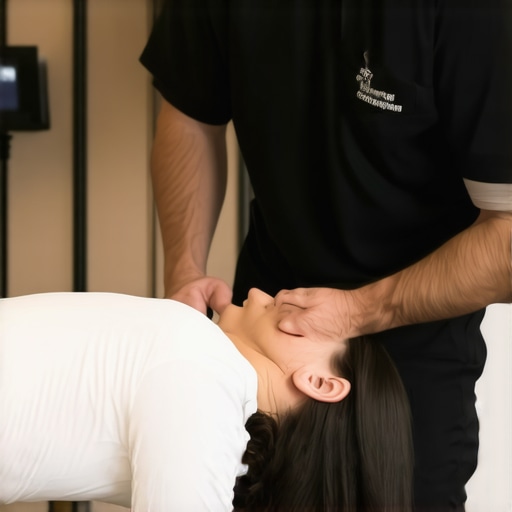
While exercises and posture tweaks matter, nothing replaces expert care. Visiting a chiropractor trained in mobility-focused adjustments can realign your spine and address muscular restrictions directly. I had a persistent tightness that didn’t resolve with home routines, so I scheduled a session with a chiropractor. The gentle manipulation unlocked my joints and alleviated the risk of future shocks. Regular chiropractic care, combined with self-care strategies, offers a comprehensive approach to maintaining pain-free movement and preventing sudden back spasms.
Many people assume they understand chiropractic care, but beneath the surface lies a web of misconceptions that can hinder progress and even cause harm. One common myth is that all chiropractic adjustments are the same or instantly fix posture issues, yet expert techniques reveal nuances that matter significantly. For instance, not every chiropractor uses the same approach — some focus on soft tissue work, while others prioritize spinal alignment through targeted mobilization. This variety underscores the importance of choosing practitioners based on specific needs, as highlighted in modern chiropractic strategies that improve posture effectively.
A trap many fall into is believing that posture correction is purely about static positions or wearing braces. In reality, static postures are less impactful than dynamic mobility patterns. Over-tightening muscles with passive supports can actually weaken your natural ability to maintain proper alignment over time. A more advanced lesson is understanding the significance of ‘neuromuscular control’ — the body’s ability to subconsciously maintain posture through active engagement. Research by experts such as Dr. Steven Weiniger demonstrates that mobility exercises, combined with neuromuscular retraining, provide durable results rather than temporary fixes.
Beware of the common mistake of neglecting the nervous system’s role. Misaligned joints do affect nerve flow, which impacts muscular coordination and pain perceptions. This is why adjusting your focus from just musculoskeletal issues to including nerve health yields better outcomes. For example, chiropractic care’s influence on nerve pathways can unlock profound improvements in mobility and posture.
Have you ever fallen into this trap? Let me know in the comments.
But what about the misconception that mobility work alone can fix all postural problems? The truth is, mobility exercises are essential, but they must be integrated strategically with strength training to prevent re-injury. Overemphasizing flexibility without addressing muscular imbalances might lead to instability, especially if weak stabilizers are ignored. The ideal approach combines targeted mobility drills with stabilization exercises, such as those explained in these expert mobility tips, ensuring lasting posture improvements.
Understanding the nuances behind chiropractic adjustments and mobility strategies elevates your journey beyond basic tips. It emphasizes personalized care, neuromuscular control, and active participation—elements critical for effective, sustainable results. So, remember: avoid the trap of one-size-fits-all solutions, and seek approaches that align with your unique neuro-muscular profile for optimal health.Achieving long-term back health requires more than just occasional stretches or adjustments; it calls for reliable tools and consistent practice. Personally, I swear by a few tried-and-true methods that keep my mobility optimal and prevent setbacks. One of my favorite resources is a sturdy foam roller, specifically the deep-tissue versions designed for targeted muscle release. I use mine daily to roll out my thoracic and lumbar regions, helping to dissolve muscular knots that can swiftly lead to stiffness or sharp back catches. Unlike generic rollers, my chosen foam roller has a textured surface that provides extra grip and stimulates deeper fascia, as recommended by mobility experts in this comprehensive guide.
What I Wish I Knew Before Starting My Back Recovery
One of the most eye-opening lessons I learned was that quick fixes rarely provide lasting results. Embracing a holistic approach—combining mobility, strength, and professional care—made all the difference. I wish I had understood earlier how interconnected posture, nerve health, and muscular balance truly are, which expedited my healing process.
Gear That Changed My Perspective on Posture and Mobility
My personal toolkit now includes a high-quality foam roller, a posture feedback mirror, and a guided mobility program from experts I trust. These tools have empowered me to maintain progress daily, making recovery part of my routine rather than a chasing game. I recommend exploring resources like this comprehensive mobility guide for sustainable improvements.
Embrace the Power of Small, Consistent Actions
Understanding that tiny adjustments—like mindful sitting or brief mobility breaks—compound over time was a revelation. Small daily habits can drastically reduce the risk of sharp back episodes. I encourage you to integrate simple routines, such as thoracic rotations or core activations, into your day to build resilience against sudden, painful snaps. Remember, consistency is your strongest ally in maintaining a pain-free back.
Your Next Step Toward Freedom of Movement
Taking control of your back health is a journey filled with discoveries and small victories. Whether it’s adopting targeted exercises, seeking expert adjustments, or improving posture awareness, each step adds up. Don’t wait for pain to remind you—start implementing mindful mobility today. Your body will thank you for investing in this ongoing care, leading to a more active, comfortable life.
What’s one small change you’re willing to try this week to improve your back health? Share your plan below—I’d love to hear your story!
,