
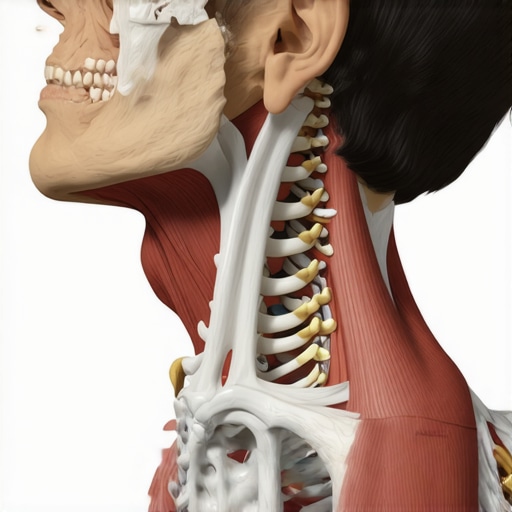
I remember the moment vividly. After a long day hunched over my desk, I started experiencing this strange, persistent jaw clenching that wouldn’t let up. At first, I dismissed it as stress, but then I noticed my upper back knots seemed to worsen just as my jaw tension increased. It was like my body was sending me a message I couldn’t ignore.
That lightbulb moment changed everything for me. I realized that my jaw tension wasn’t an isolated problem—it was deeply linked to the knots in my upper back. Once I started paying closer attention to those knots and how they related to my jaw, my discomfort began to diminish. Today, I want to share that journey and, more importantly, how you can understand and address this hidden connection.
Understanding the Hidden Link Between Your Back Knots and Jaw Tension
Many people don’t realize that tension in your upper back and neck can directly influence your jaw and facial muscles. It’s a classic case of the body’s interconnectedness. When knots develop in your upper back, they can create a cascade of muscle tightness affecting your jaw muscles, leading to clenching, grinding, or even TMJ discomfort. A 2023 study published in PubMed highlights how muscular interplay in the upper back and neck can influence jaw tension, often overlooked in conventional treatments.
Early on, I made the mistake of treating my jaw tension solely with mouthguards or stress management, without addressing the root cause—those stubborn upper back knots. That oversight meant I was missing the bigger picture. Once I incorporated simple mobility exercises and targeted chiropractic techniques, I experienced real relief.
If you’ve been battling jaw tension without understanding its roots, you’re not alone. And the good news? We’re about to explore practical ways to break this cycle, so you don’t have to suffer in silence any longer.
Is My Jaw Tension Really Linked to My Back? Here’s What You Should Know
Many skeptics worry that these issues are unrelated, but ignoring the connection can prolong discomfort. Addressing only the symptoms leaves the real problem unhealed. I’ve been there, making the mistake of focusing just on the pain point. Trust me, finally tackling the root—your upper back knots—made all the difference. If you’re curious how this all ties together, check out practical strategies to improve posture and mobility. Let’s dive into how you can start making those connections and easing your tension today.
Start with Targeted Mobility Exercises to Release Tension
One of the most effective ways I found to address stubborn upper back knots was integrating specific mobility drills into my daily routine. Think of these exercises as unlocking tight muscles—like lubricating gears that have become rusted. For instance, I began with controlled thoracic rotations and shoulder blade stretches, which helped loosen restricted areas. You can begin with simple moves like the targeted mobility exercises designed to enhance thoracic movement. I dedicated just five minutes each morning to these drills, and over a week, I noticed reduced muscle tightness. Consistency is key; these small adjustments can cascade into significant relief over time.
Incorporate Chiropractic Techniques for Real Alignment
Next, consider engaging with chiropractic adjustments that focus on realigning your spine and neck. Think of your spine as the backbone of your body’s communication system—misalignments here can send chaos to neighboring muscles, including those affecting your jaw. During my first session, I experienced a gentle, precise correction that felt like a reset button for my posture. For best results, seek a chiropractor trained in posture correction and mobility enhancement; they can tailor techniques to your specific needs. Check out expert chiropractic strategies to understand how adjustments can serve as a foundation for muscle relaxation. Remember, regular sessions can maintain long-term benefits, especially when combined with daily mobility work.
Practice Proper Posture and Body Mechanics Throughout the Day
Maintaining awareness of your posture is akin to tuning an instrument—small, consistent adjustments keep everything in harmony. When sitting at your desk or engaging in daily tasks, think of your body as a stringed instrument; if you tense or slump, the sound (your comfort) falters. I started using reminders to sit with my shoulders back and chin slightly tucked, which helped reduce the load on my upper back and jaw muscles. Using ergonomic principles, like adjusting your chair height or monitor position (quick ergonomic fixes), can prevent new knots from forming. Remember, little habits—like avoiding cradling your phone between your shoulder and ear—can sustain your progress.
Deepen Your Routine with Daily Self-Adjustments and Stretches
Integrating simple self-mobilizations into your day can make a big difference. Think of these as self-tuning practices—akin to a musician adjusting their instrument between performances. For example, I found that gently stretching my neck and shoulders after long periods of sitting prevented stiffness and reinforced the gains from mobility exercises. The mobility hacks I adopted involved a series of quick, effective stretches targeting the upper back and jaw area, which I could do during short breaks. Over time, this kept my muscles supple and less prone to knots. The key is consistency and mindful practice—regularly listen to your body’s signals and act before tension builds up.
Be Patient and Track Your Progress
Addressing muscle knots and their connection to jaw tension isn’t an overnight fix. Think of your body as a garden—it takes regular watering and care to see blooms. I kept a simple journal of my exercises and adjustments, noting how my discomfort changed. This tracking helped me identify what worked best and when I needed to revisit certain techniques. Remember, patience and persistence are essential; your body’s interconnected system responds over weeks, not days. With committed practice, you’ll begin noticing relief and greater mobility, paving the way for a more relaxed jaw and upper back.
Many believe that simply stretching, chiropractor visits, or maintaining a good posture guarantees long-term relief, but this mindset can be misleading. One common myth is that mobility exercises alone are enough to correct deep-seated postural issues, yet neglecting the body’s complex interconnectedness often leads to temporary improvements. For example, focusing solely on hamstring stretches without addressing pelvic alignment or core stability can result in minimal, short-lived benefits. It’s essential to view mobility as part of a comprehensive strategy, including targeted chiropractic adjustments and neuromuscular retraining, to achieve lasting results. Additionally, many assume that adjustments are a quick fix for posture problems; however, without understanding the underlying muscular patterns and habitual behaviors, such as prolonged sitting or improper body mechanics, the improvements can be fleeting. A subtle but powerful nuance is recognizing that muscles often develop compensatory patterns over years—these require a nuanced approach that combines manual therapy, active movement, and behavioral change. Experts like Dr. Stuart McGill emphasize that awareness and education about movement patterns are crucial; relying solely on passive treatments can reinforce dependency rather than promote independence. The risk here is falling into the “fix it and forget it” trap, where individuals seek quick solutions rather than making sustainable lifestyle adjustments. This is why integrating habit-changing routines with mobility and chiropractic work forms a more effective, holistic pathway. To deepen your understanding, explore how pragmatic strategies, such as daily mobility hacks, can reinforce posture improvements over time. Remember, genuine progress involves nuanced intervention, patience, and a willingness to challenge common assumptions. Have you ever fallen into this trap? Let me know in the comments.Maintaining optimal posture and mobility is an ongoing journey that requires the right tools and routines. Over the years, I’ve relied on specific equipment and software to keep my progress consistent, and I recommend these to anyone serious about long-term results. One essential tool in my arsenal is a quality foam roller. Not just any foam roller, but one with a textured surface that helps activate my fascia and break down stubborn knots in my upper back and hips. I personally prefer the TriggerPoint GRID foam roller because of its durability and targeted pressure reviews, which I find more effective than softer alternatives. Using the foam roller daily—especially after long periods of sitting—helps maintain tissue elasticity and prevents the formation of new knots. Additionally, I incorporate resistance bands like those from Tribe comparable for shoulder and thoracic mobility exercises, which I perform primarily during my morning routine. These bands facilitate controlled resistance, making mobility drills more effective and safe.Envision a future where your movement remains fluid and pain-free. Staying consistent with simple, targeted tools can significantly extend the benefits of chiropractic adjustments and mobility routines. Remember, the key is regularity — your tools are only as effective as your commitment to use them regularly.
How do I maintain my mobility and posture over time?
Keeping progress lasting involves integrating these tools into your daily life and adopting habits that reinforce your gains. I schedule specific times for my mobility work, aligning it with morning or evening routines. Tracking progress with a simple journal or app, like the MobilityWOD app, helps me stay accountable and fine-tune my exercises. Moreover, periodic check-ins with a chiropractor skilled in posture correction can assess and adjust my alignment as needed. As I mentioned earlier, consistency is crucial; even a 5-minute daily session using a foam roller or resistance band can prevent regression. Looking ahead, advancements like smarter posture-tracking devices—such as upright sensors or posture training apps—are becoming more accurate and user-friendly. These innovations could alert you in real time when your posture deteriorates, making maintenance more proactive and less manual. Embracing these tech trends, coupled with tried-and-true physical tools, ensures your mobility and posture stay resilient against everyday stresses. If you’re ready to deepen your routine, try incorporating a targeted mobility drill from our cornerstone content, with a focus on thoracic rotations, to further solidify your gains. Regularly revisiting your tools and habits will help you enjoy the long-term benefits of a pain-free, mobile body.
Over time, I learned that my journey to pain relief wasn’t just about quick fixes but about embracing the nuances of my body’s interconnected systems. One profound realization was that muscle knots in the upper back aren’t just isolated discomforts—they’re often signals that the entire biomechanical chain needs attention. This insight shifted my entire approach, leading me to focus on integrated mobility routines and mindful posture adjustments rather than solely relying on external devices or short-term therapies. Remember, the most effective healing comes from understanding your body’s language and responding with patience and tailored strategies.
Lessons That Shifted My Perspective on Mobility and Posture
- Deep-rooted habits matter more than quick fixes: I discovered that daily routines, like proper ergonomic setup and regular mobility drills, created lasting change rather than temporary relief from isolated treatments.
- Listening to subtle signals accelerates healing: Paying close attention to the sensations in my muscles helped me catch tension before it became painful, emphasizing the importance of mindfulness in movement practices.
- Consistency beats intensity: Gentle, consistent daily mobility exercises outperformed sporadic intense sessions, teaching me that patience and persistence are key.
- Posture is a dynamic conversation between muscles and habits: Small, conscious adjustments throughout the day compounded into noticeable improvements over weeks, reinforcing the idea that posture maintenance is an ongoing process.
- Holistic strategies outperform isolated treatments: Combining chiropractic techniques, targeted mobility, and behavioral changes addressed the root cause rather than just masking symptoms.
Tools That Made the Difference in My Routine
- Targeted mobility exercises grounded my routine in science-backed movements that enhanced thoracic flexibility, helping my muscles stay relaxed.
- Chiropractic adjustments offered precise realignment, restoring my body’s structural harmony and enabling my mobility drills to work more effectively.
- Daily self-adjustments and stretches served as ongoing tune-ups that prevented stiffness from creeping back into my muscles.
- Ergonomic tools and habits, like proper desk setups and mindful device usage, cemented my progress into daily life.
Taking Charge of Your Movement Journey
Remember, your body’s story is unique, and progress comes with patience and self-compassion. By integrating gentle mobility, informed postural habits, and professional guidance, you can unlock a pain-free, mobile future. Don’t wait for discomfort to become chronic—start today, and celebrate each small victory along the way. Your journey to a more relaxed jaw and a healthier back is within your grasp, and every mindful movement counts.
Have you experimented with combining mobility routines and posture habits? Share your experiences below—I’d love to hear what’s worked for you!