

I caught myself yesterday morning, hunched over my phone at chest level, scrolling mindlessly, and I suddenly felt that familiar twinge in my neck. That sharp, nagging ache that immediately makes you question every decision that led to this moment. It hit me—doing this day after day was silently wrecking my posture, and I bet many of you are in the same boat without even realizing it.
The Silent Toll of Chest-Level Phone Holding
When I first learned about the impact of how we hold our devices, it was a bit of a lightbulb moment. I had always thought, “Who cares if I carry my phone a little lower?” But recent studies show that looking down at your phone sends a load of stress through your neck and shoulders. In fact, researchers have found that every inch your head tilts forward increases the weight your neck has to support, sometimes up to 60 pounds! That’s the equivalent of carrying a small child on your neck, day in and day out. Over time, this strain leads to chronic pain, stiffness, and even nerve issues that interfere with daily life.
One mistake I made early on was ignoring how I was positioning myself during these moments. I focused solely on the device, not my posture. Trust me—it’s an easy trap to fall into, especially when you’re engrossed in messages or social media. But the good news is, small adjustments can make a world of difference. In the following sections, I’ll share practical, proven strategies to correct this habit and protect your neck.
Is Posture Correction Overhyped?
I’ll admit, I was skeptical at first. I thought, “Can a few neck stretches and better phone habits really change everything?” But as I experimented with targeted mobility exercises and smarter device positioning, I noticed a remarkable difference. It turns out that many of us make common mistakes when trying to improve posture, such as neglecting mobility hacks or assuming the problem is purely structural. For example, I used to just stretch my neck without addressing the root causes — mobility restrictions and habitual postural patterns. Once I learned some simple daily adjustments, my pain lessened, and I felt more energized.
If you’ve faced similar frustrations, I want to help you break free from this cycle. Ready to discover the secrets that helped me restore my neck health? Keep reading – I promise, these practical tips will feel like a breath of fresh air for your posture and overall well-being.
Adopt a Better Phone Holding Technique
Picture this: I once spent an afternoon adjusting my grip and phone angle during a long scrolling session. Instead of hunched over, I kept my phone at eye level, like holding a clipboard instead of dangling it low. This small change felt awkward at first, but I quickly realized it minimized neck strain. To implement this, use a stand or stack books if needed, and position your device so your eyes look straight ahead. This simple step reduces forward head tilt, relieving stress on your neck and shoulders, as emphasized in the mobility boosts guide.
Incorporate Daily Mobility Drills
Next, dedicate five minutes daily to mobility exercises that target your neck, shoulders, and upper back. For example, perform gentle neck rotations, shoulder rolls, and thoracic extensions. I found that integrating these movements during my lunch break made a surprising difference in flexibility and pain reduction. Think of your joints as hinges; lubrication and movement keep them from creaking. Regular mobility drills, like those outlined in mobility exercises, loosen tight muscles and improve posture, making daily adjustments easier and more effective.
Set Reminders to Check Posture
During my first week trying these methods, I set hourly alarms to remind me to straighten up and adjust my position. It felt like having a coach gently nudging me. Use your phone or computer to create these alerts; over time, maintaining awareness becomes habitual. This mental switch is crucial because even with proper techniques, old habits resurface quickly. The key is consistency—think of it as training your body to default to a healthy position. More detailed methods for building posture awareness can be found in chiropractic strategies.
Adjust Your Workspace for Comfort and Posture
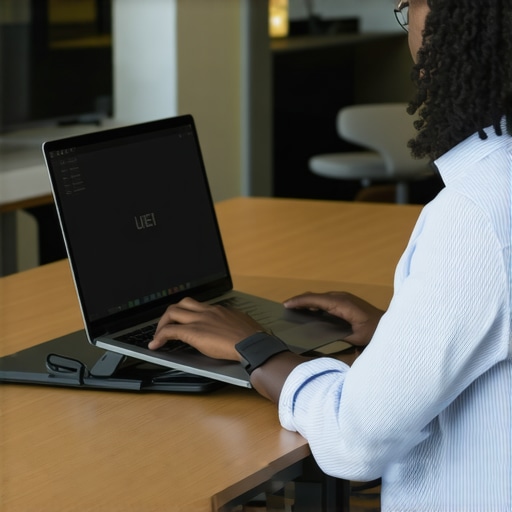
My next breakthrough came from ergonomically optimizing my workspace. I raised my laptop to eye level using a stand, and employed an external keyboard and mouse to keep my shoulders relaxed. This setup, similar to professional office standards, prevents my neck from craning forward. Think of your workspace as a mini command center—everything should be within easy, neutral reach. Proper positioning reduces strain and supports good posture throughout the day. Resources like workspace adjustments provide comprehensive tips to elevate your setup.
Engage in Targeted Strengthening Exercises
Finally, strengthening key muscles offers long-term resilience. I began focusing on deep neck flexors and upper back stabilizers, which act as the body’s natural posture anchors. For example, performing gentle isometric neck presses or scapular squeezes helps reinforce good alignment. Imagine your neck and upper back muscles as the scaffolding that keeps your posture erect; the stronger they are, the less strain you experience. Incorporating these exercises thrice a week, as advised in strengthening routines, solidifies the adjustments and builds resilience against daily stresses.
Many believe that simply cracking a joint or doing daily stretches will fully resolve posture issues, but the reality is far more complex. A common myth is that chiropractic adjustments alone can permanently fix posture problems; however, expert insight shows that adjustments are most effective when combined with mobility and strengthening routines. One sneaky trap people often fall into is thinking that immediate relief equals long-term correction. They get temporary pain relief from a quick adjustment, but without addressing underlying mobility restrictions or habitual patterns, the pain tends to return. Overlooking the importance of a comprehensive approach leads many to repeatedly seek adjustments without lasting results.
For advanced practitioners, a crucial nuance is understanding how mobility limitations interact with joint function. If the fascia and soft tissues aren’t pliable enough, even precise adjustments might not hold or achieve optimal alignment. This is why integrating mobility drills, like those discussed in our mobility hacks guide, ensures that bones and joints can settle into and maintain better positions.
A common oversight is neglecting the role of the nervous system. Misalignments can create a neuro-muscular imbalance, making corrections temporary unless the neural pathways are addressed. Techniques such as targeted chiropractic manipulations combined with nerve mobility exercises can yield more durable improvements.
Ever wondered why some adjustments seem to Maintaining good posture and mobility over time requires reliable tools and consistent routines. One of my go-to equipment pieces is an adjustable ergonomic stand for my laptop, which elevates the screen to eye level, reducing forward head posture and neck strain. I personally use the Roost Laptop Stand because its lightweight design and sturdy build make adjusting during my workday seamless, ensuring I stay aligned without hassle.
Beyond physical tools, I rely heavily on mobility software such as MobilityWOD. This app provides tailored daily movement routines that target common postural issues, making it easier to stick to a consistent mobility practice. I’ve found that using the app each morning primes my joints for the day and helps me avoid maintaining static positions for too long.
For added accountability, I set reminders through IFTTT. Automating alerts to check my posture every 30 minutes reminds me to sit upright and carry out quick mobility drills. This system enforces habits and prevents old postural tendencies from creeping back.
What’s the future of mobility and posture tools?
Predictions point toward smart, AI-powered devices that provide real-time feedback, like posture trainers embedded in wearables that adjust dynamically as you move. Companies are developing sensors that sync with smartphones to track posture metrics more precisely, offering customized corrective suggestions on the fly. Incorporating these innovations into daily routines could exponentially improve long-term outcomes.
How do I maintain my progress over the long haul?
The key lies in integrating simple, proven techniques with technology. For example, regularly updating your mobility routines using mobility hacks ensures your joints don’t settle into stiffness. Also, scheduling periodic consultations with a chiropractor—like those detailed here—can help fine-tune your alignment as your body adapts.
Investing in quality tools and routines creates a sustainable system that prevents regression. For instance, I always recommend trying a targeted mobility drill, such as the 3-minute thoracic extension. Small daily efforts compounded over time lead to lasting improvements, making functional movement second nature.
Remember, the secret is to stay proactive. Incorporate these strategies, and you’ll set yourself up for long-term success. Curious to see how a simple device tweak like elevating your laptop can create immediate relief? Give it a try today!
The Hardest Lesson I Learned About Posture and Mobility
- I realized that quick fixes, like just doing neck stretches or ignoring daily habits, only provide temporary relief. Without addressing mobility restrictions or habitual positions, pain returns faster than expected. True progress comes from consistent routines combining mobility, strength, and awareness.
- A major eye-opener was understanding how deeply interconnected your nervous system, soft tissues, and joint health are. Improving mobility isn’t just about flexibility—it’s about restoring neural pathways and soft tissue pliability for lasting results.
- I used to believe that the moment I felt relief, I was healed. Now I know that maintaining improvements requires ongoing effort, regular adjustments, and continuous learning about my body’s responses. Small, daily habits compound into big, lasting change.
- Court-level advice from experts taught me that combining ergonomic workspace setups with targeted mobility drills is essential. Tools like standing desks and posture reminders are game-changers when integrated into a daily routine.
Why My Chiropractic and Mobility Routine Became My Superpower
Over time, I discovered that the most effective approach is a tailored blend of chiropractic adjustments, mobility exercises, and smart device positioning. The mobility hacks guide became my compass, guiding me through manageable, daily improvements. The synergy of these strategies not only alleviated pain but also empowered me to take control of my posture and neck health. Investing in ergonomic tools like adjustable stands and reminders transformed my daily habits, making healthy posture second nature. This comprehensive approach is what has truly allowed me to sustain a pain-free, energized life.