
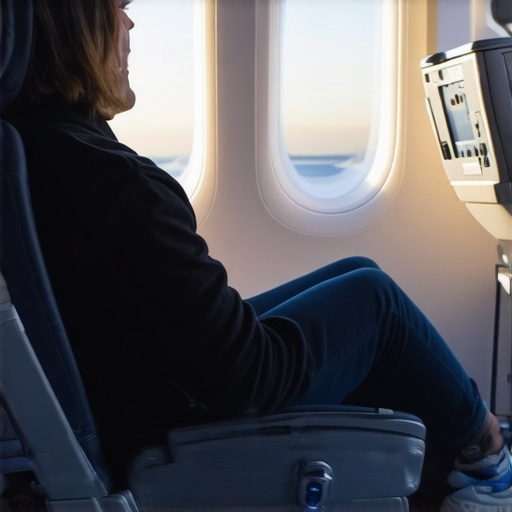
Ever found yourself stiff, sore, or downright uncomfortable after a long flight, thinking, “This can’t be good for my back”? I know I have. There was that one trip where I ignored my posture, kept slouching in my seat, and by the time I landed, I felt like I had aged ten years overnight. That lightbulb moment made me realize the importance of actively taking care of my spine, especially when travel demands hours of sitting. If you’ve ever experienced that nagging lower back ache or neck tension after flying, you’re not alone—and there’s a way to prevent it.
Why Spinal Health During Flights Can Make or Break Your Trip
Traveling is exciting, but sitting for extended periods, especially in cramped airplane seats, can wreak havoc on your posture. The stiffening of your muscles, compression of your vertebrae, and poor circulation don’t just cause discomfort—they can also lead to long-term issues like misaligned joints or chronic pain. Think of your spine as the sturdy backbone of your overall health; neglect it, and other areas, like your mobility and even your mood, suffer.
Did you know that sitting for just 30 minutes can begin to stress your lumbar discs? According to a 2017 study published in the journal “Spine,” prolonged sitting increases the risk of developing back problems significantly. That means every long haul flight without proper care is an opportunity for these issues to take root.
Early in my travels, I made the mistake of relying solely on stretching during layovers, thinking it would do the trick. But I soon discovered that the real key was integrating simple, consistent strategies to keep my spine aligned and muscles active—even in cramped spaces. And that’s exactly what I want to share with you today.
So, if you’re tired of arriving at your destination with a stiff neck and aching back, keep reading. We’ll cover practical tips to maintain your spinal health during your next long flight, ensuring you arrive feeling refreshed, not ruined.
Is Stretching Enough or Just a Waste of Time?
Many people believe that stretching once they’re in the air is the answer. I used to think so too—until I realized I was actually making my discomfort worse by doing the wrong kind of stretches at the wrong time. The real game-changer is understanding how to move efficiently and maintain proper alignment before, during, and after your flight.
For a deeper dive into effective postural strategies, check out our comprehensive guide on [improving mobility and posture in 2025](https://quackersneck.com/the-ultimate-guide-to-improving-mobility-and-posture-in-2025). It’s packed with expert tips that can help you stay comfortable and healthy during travel and beyond.
Now, let’s get into the practical steps that can save your back on your next adventure.
Mastering Posture Before Takeoff
Start by setting up your seat properly. Adjust your lumbar support or use a small cushion to maintain the natural curve of your lower back. Sit back fully, ensuring your pelvis is tilted slightly forward to avoid slouching, which puts unnecessary strain on your lumbar discs.
For example, I once flew from New York to Tokyo and realized that despite my swivel airplane seat, adjusting my lumbar pillow made a significant difference. I kept my hips high enough so my knees formed a 90-degree angle, preventing my pelvis from tilting backward and slumping.
In-Seat Movement Strategies
Engage in Micro-Movements
Every 30 minutes, perform small, controlled movements. Shift positions in your seat, do gentle pelvic tilts, or flex and extend your ankles. These actions stimulate circulation and prevent stiffness. Think of your muscles as engines; they need tiny revs to stay smooth and responsive.
During one flight, I focused on ankle circles and seated trunk twists. Initially, my movements were awkward, but over time I felt less tension and more mobility when I landed.
Perform Compact Stretches
When possible, use the in-flight environment. For cramped spaces, a simple shoulder roll or neck stretch can relieve tension. For instance, I once practiced a seated chest opener by clasping my hands behind my back and gently pulling upward—feeling instant relief across my shoulders.
Optimize Your Cabin Environment
Adjust your seat to encourage better posture. Recline slightly to reduce pressure on your lumbar spine. Use a neck pillow or towel roll to support your cervical spine. Position your screen or reading material at eye level to avoid forward head posture, reducing strain on your upper neck and shoulders.
In one trip, I found that elevating my laptop with a small stack of books kept my neck in a neutral position, preventing the headaches I previously attributed to long screen time.
Implement Post-Flight Recovery
Once on the ground, take time for gentle mobilization. Walk around, perform pelvic tilts, or do a quick session of mobility exercises like the pelvic clock, which can instantly relax your lower back and increase spinal resilience. These steps undo the compression and stiffness accumulated during the flight.
I remember landing after a 14-hour flight and immediately doing a few pelvic tilts, which eased the sharpness in my lower back, making the post-flight recovery smoother.
Seek Professional Guidance When Needed
If you notice persistent discomfort, consult a chiropractor to address underlying misalignments. Regular adjustments can reinforce proper posture and mobility, especially if you frequently travel. To explore how chiropractic care can enhance your travel resilience, visit our guide on how chiropractic adjustments improve posture and mobility.
presidentDon’t let prolonged sitting damage your spine. Incorporate these strategic actions into your travel routine and keep your back healthy, no matter how long the journey.Many assume that chiropractic care is just about quick fixes—cracks here and adjustments there. But in my experience, this oversimplification masks some critical nuances that can make or break your long-term spinal health. For instance, a common myth is that adjustments alone can maintain proper posture without active daily habits. While adjustments are powerful tools, they shouldn’t replace consistent mobility exercises or ergonomic awareness. Overreliance on adjustments without addressing root mobility limitations can lead to dependency and even diminish your body’s natural ability to self-correct, as highlighted by research from the International Journal of Chiropractic Medicine.
One trap many fall into is believing that once their pain subsides after a few chiropractic sessions, their issues are permanently resolved. This is a misconception because posture and mobility are dynamic, ongoing processes. Neglecting daily movement, stretching, and ergonomic practices can result in recurring problems. Think of adjustments as resetting your system, but maintaining good posture and mobility requires regular effort, much like tuning an instrument—if you ignore it, it gradually falls out of harmony.
Now, a question that even advanced practitioners pondering optimal spine care ask: _How do subtle asymmetries impact long-term health, and are adjustments enough to counteract these imbalances?_ Studies, such as those published in the Journal of Manipulative and Physiological Therapeutics, show that addressing underlying mobility restrictions, muscle imbalances, and neural coordination is essential for sustainable correction. Adjustments can be likened to fine-tuning your car; but if your alignment is off or your tires are unevenly worn, the car won’t drive smoothly even after a realignment.
One common mistake is underestimating the significance of complementing chiropractic adjustments with targeted mobility exercises. For example, neglecting thoracic mobility can lead to compensatory neck or lower back strain. Incorporating specific mobility routines, like those detailed in our guide on [improving posture through mobility](https://quackersneck.com/improving-posture-through-mobility-practical-chiropractor-strategies), helps reinforce the benefits of adjustments and fosters resilient, long-lasting posture.
Furthermore, be wary of passive treatments that ignore active engagement. Passive modalities like heating or massage are beneficial but insufficient alone; active participation through daily movement, strengthening, and flexibility routines creates a body better equipped to hold alignment over time.
Remember, true mastery of spinal health involves understanding the interplay of adjustments, mobility, and habit. Relying solely on adjustments without cultivating proper movement patterns is like painting a pretty picture on a shaky canvas. To optimize your care, explore comprehensive strategies—including mobility training and ergonomic corrections—by visiting [our expert guides](https://quackersneck.com/why-chiropractic-care-is-your-secret-weapon-for-better-posture). Have you ever fallen into this trap? Let me know in the comments and share your experiences!Maintaining your spinal health over time requires more than just sporadic adjustments or stretches; it involves investing in reliable tools and implementing consistent routines. One of my personal favorites is the use of a **foam roller**, which I utilize daily to release my thoracic and lumbar fascia. Unlike generic rollers, I prefer a dense, high-quality foam roller that provides the right amount of resistance, allowing me to target deep tissue restrictions effectively and prevent muscle adhesions that can impede mobility. Regular self-myofascial release with this tool helps sustain the benefits of chiropractic adjustments and keeps my joints responsive. Additionally, I incorporate handheld massage balls for specific trigger points—particularly around the shoulder blades and hips—to address localized tension and promote neural relaxation. These tools are simple yet incredibly effective in reinforcing postural corrections, especially after long periods of sitting or exertion. Regarding software, I recommend tracking your daily mobility exercises with apps like ‘MobilityWOD’ or ‘StretchIt,’ which provide guided routines tailored to individual needs. Regular use of these apps ensures consistency and encourages incremental improvement over months, not just days. As technology advances, future tools may include smart sensors embedded in wearable devices that monitor spinal alignment and muscle engagement in real-time, providing immediate feedback and personalized adjustments. This integration of biofeedback technology is predicted to revolutionize how we maintain long-term mobility and posture, making proactive care more accessible and precise. How do I maintain spinal health over time? Consistency is key—integrate daily mobility routines with effective tools like foam rollers, trigger point balls, and digital tracking. I personally recommend starting with a targeted foam rolling session post-work or after travel to keep your tissues pliable and your joints mobile. For more comprehensive guidance, visit our detailed post on [improving mobility and posture in 2025](https://quackersneck.com/the-ultimate-guide-to-improving-mobility-and-posture-in-2025). Combining these tools with regular chiropractic care, as discussed in our cornerstone article, can exponentially enhance your results, ensuring your spine stays resilient through life’s demands. Want to take your maintenance to the next level? Try incorporating a high-density foam roller into your daily routine and observe how your flexibility and pain levels improve over weeks. Continuous small investments like these make a significant difference in long-term health and reduce the risk of chronic issues.
Lessons From My Most Surprising Chiropractic Revelation
One of the hardest lessons I learned was that chiropractic adjustments are just one part of a much larger picture. Relying solely on quick fixes can give a false sense of security; true progress requires integrating mobility routines and ergonomic awareness consistently. I also discovered that subtle asymmetries in posture, if ignored, can eventually undermine even the most expert adjustments—it’s like ignoring the small cracks that eventually lead to a building’s collapse. Lastly, I realized that proactive daily habits, like targeted stretches and proper seated positioning, are the real game-changers for maintaining spinal health long-term, especially when traveling.
My Personal Toolkit for Supporting Spinal Resilience on the Go
Over the years, I’ve curated a set of tools that help me stay aligned, including a high-density foam roller and trigger point balls—these are essential for releasing fascia tightness after long flights. I swear by guided mobility apps like ‘MobilityWOD’ because they keep me accountable and ensure I don’t skip vital routines. Books like ‘Becoming a Supple Leopard’ have reshaped my understanding of functional movement, inspiring me to adopt smarter, safer habits daily. Finally, professional guidance from trusted chiropractors has continually informed my routine, making sure I stay proactive rather than reactive about my spinal health.
Keep Your Spine Happy and Strong—Your Future Self Thanks You
Remember, maintaining spinal health is a journey, not a one-time event. The future belongs to those who invest in daily mobility, ergonomic mindfulness, and early intervention. Take control today, and make smart choices that support your back—because the best time to start caring for your spine was yesterday, but the next best time is right now. Dive into our comprehensive guide on [improving mobility and posture in 2025](https://quackersneck.com/the-ultimate-guide-to-improving-mobility-and-posture-in-2025) and begin your transformation. Your back will thank you every step of the way.