
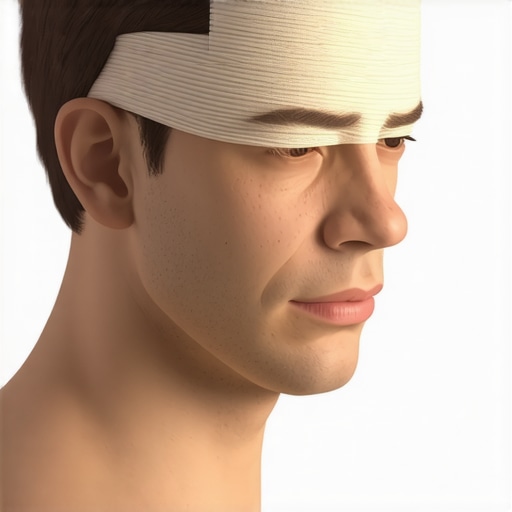
It was just another Monday morning when I felt that familiar, uncomfortable squeeze around my forehead and temples. At first, I brushed it off as a simple headache, maybe from too much screen time or overlooking my hydration. But as minutes turned into hours, that relentless tightening sensation didn’t fade. It felt like a band had been cinched so tightly around my head I wondered if my skull was trying to tell me something. Have you ever experienced that? That weird, almost claustrophobic pressure that seems to come from nowhere?
Discovering the Hidden Causes of Your Headache Tightening
This sensation—often described as a band-like feeling—can be more than just an annoying headache. It might be your body’s way of signaling underlying issues related to your posture, neck mobility, or even muscle tension. Early on, I made the mistake of only treating the pain, rather than exploring what was behind it. Trust me, ignoring these signals can lead to more chronic problems down the line.
What I learned is that such headaches are frequently linked to tension in the muscles around the neck and shoulders, which can restrict blood flow and nerve signals. According to recent studies, poor posture and restricted neck mobility are major contributors to tension headaches, with about 90% of migraine sufferers exhibiting some level of neck muscle tightness (source: Chiropractic and Posture Research).
Understanding these connections transformed my approach. Instead of popping pills or simply waiting for the pain to disappear, I started to look at my daily habits—like my sitting posture, sleep position, and even how I carried my bag. The good news? Once I addressed these factors, that tight band began to loosen.
If you’ve ever felt that squeezing pain around your head and wondered if there’s more you could do, you’re not alone. Many people experience similar discomfort but don’t realize how much their body’s tension levels and mobility can impact their headaches. That’s exactly what we’re going to explore next—simple, practical strategies to help you regain control and ditch that oppressive tightness. Ready to start feeling better? Let’s dive into the first steps that can make a real difference.
Adjust Your Sitting Posture for Immediate Relief
Start by evaluating how you sit during work or leisure. Sit with your back straight, shoulders relaxed, and feet flat on the ground. Imagine your spine as a stack of balanced blocks, each supporting the one above—this alignment reduces strain and loosens tight muscles.
Implement Ergonomic Changes
Place your monitor at eye level to avoid downward tensing of your neck. Keep your keyboard and mouse within comfortable reach. These adjustments prevent you from hunching forward, a common cause of tension headaches.
Incorporate Daily Mobility Exercises
Perform targeted stretches and movements to enhance your neck and shoulder mobility. For example, the ‘Clockwise Neck Turn’ involves slowly turning your head from side to side, mimicking a clock’s hands—this frees up stiff joints and muscles.
Some exercises, like the simple wall stretch, can counteract rounded shoulders. Stand close to a wall, place your arms at 90 degrees, and gently push your chest forward while squeezing your shoulder blades together. This opens the chest and relieves tension.
Apply the Pelvic Clock Technique
Lie on your back with knees bent, feet flat. Imagine your pelvis as a clock face; gently tilt it forward, backward, and side to side. This movement releases lower back tension that can influence upper neck discomfort.
Use Self-Myofascial Release for Muscle Tension
Employ foam rolling on your upper back, shoulders, and neck muscles. Applying gentle pressure, roll slowly to break up adhesions and promote blood flow. This technique is similar to freeing knots in a rope—smooths out tight areas and restores mobility.
Integrate Breathing and Relaxation Strategies
Practice diaphragmatic breathing—inhale deeply through your nose, expanding your belly, and exhale slowly. This calms the nervous system and reduces muscle tension that contributes to headaches.
Establish Consistent Breaks and Movements
Take short, frequent breaks during prolonged sitting. Every 30 minutes, stand, stretch, and reset your posture. These micro-movements prevent stiffness from settling in and keep your muscles flexible.
Remember, improving posture isn’t a one-time fix but a continuous process. If you’re unsure about your technique or want personalized guidance, consider consulting a professional to tailor exercises to your specific needs. For expert advice, visit here or explore practical strategies at this resource.
 While many believe that a quick adjustment or a perfect posture is the magic bullet for pain relief, the reality is much more nuanced. A frequent myth is that once you get an adjustment, your issues are permanently resolved. In truth, chiropractic care often requires ongoing maintenance and a deeper understanding of your unique biomechanical patterns to see lasting benefits. Overlooking this can lead to disappointment and unnecessary treatments. Additionally, some assume that perfect posture alone can prevent all discomfort, but studies indicate that mobility and muscular balance play critical roles in spinal health (source: here). Many practitioners focus solely on spinal alignment, neglecting the importance of motor control and proprioception—our body’s awareness of position—which are essential for sustainable posture improvements. Beware of the trap that cheap quick fixes or overly rigid adherence to ‘perfect’ posture can sometimes worsen muscle imbalances, leading to more pain rather than relief. Advanced cases often involve underlying neuromuscular issues that require targeted mobility exercises and functional training, not just adjustments. Have you ever fallen into this trap? Let me know in the comments. Instead, a holistic approach that combines chiropractic adjustments with mobility work and posture coaching tends to yield the best results. For a deeper dive into enhancing your mobility alongside adjustments, explore this resource. Remember, your body adapts quickly—continuing education and a personalized plan are key to lasting health improvements. So, next time you visit a professional, ask about integrating mobility and functional strength exercises into your routine—your future self will thank you.Maintaining good posture and mobility over time requires more than just awareness—it’s about using the right tools and methods to reinforce your progress and ensure lasting results. One of my favorite essentials is a high-quality foam roller. I personally prefer the TriggerPoint GRID Foam Roller because its durable surface allows me to target tight muscles in my back, shoulders, and hips effectively. Regular foam rolling breaks down adhesions—like knots in a rope—and promotes circulation, which accelerates recovery and keeps my muscles from becoming stiff. Incorporating this into my daily routine helps maintain the flexibility I’ve gained from targeted mobility exercises and chiropractic adjustments.
Another game-changer for me is a proprioception balance pad. It challenges your stabilizing muscles and improves neuromuscular control, which is critical for long-term postural health. I use the Revolution Balance Boards because they simulate real-world movement and help retrain my body’s natural alignment. When used consistently, they make simple daily activities—like standing or walking—less taxing on my spine and joints.
For tracking and optimizing my posture, I recommend posture correction apps such as Perfect Posture. These apps use the camera on your smartphone to analyze your alignment and provide real-time feedback. I’ve found them useful for making small adjustments throughout the day, especially when working at a desk. They serve as an external cue to remind you to sit upright or adjust your sitting angle, helping cement good habits.
Looking ahead, the future of mobility and posture maintenance appears to be moving toward integrated smart devices that monitor your movement patterns continuously. Concepts like wearable sensors linked to AI-driven coaching platforms could provide personalized guidance, automatically adjusting your routine based on your biomechanics. Research from the chiropractic community suggests that combining technology with expert guidance amplifies long-term success.
How do I maintain my progress over time? The key lies in consistency and progressive overload—gradually increasing the challenge—whether through more advanced exercises on your balance pad or increasing foam rolling intensity. I make sure to revisit my mobility routine at least thrice a week and schedule periodic chiropractic check-ins to fine-tune my alignment. This ongoing maintenance prevents setbacks and allows me to enjoy better posture and mobility without pain.
If you’re serious about long-term improvements, I encourage you to try integrating a foam roller into your daily regimen and explore posture correction apps for real-time feedback. Remember, the small habits compound over time to create lasting change. For more tailored strategies, reach out through this contact page or explore detailed programs at this resource. Start today—your future self will thank you.
Hidden Truths Chiropractors Often Keep Quiet About
One of the hardest lessons I learned was that chiropractic adjustments are just one piece of the puzzle. Achieving lasting relief requires embracing mobility exercises and daily habits—it’s not a quick fix but a lifestyle shift. I used to believe that a single adjustment could fix everything, but I now understand that ongoing mobility work and awareness are essential for sustained improvements.
The Power of Self-Made Changes Over Quick Fixes
Implementing simple habits—like regular stretching or mindful posture adjustments—can have a monumental impact. I found that integrating daily mobility drills was more effective than chasing after rapid solutions. Real progress comes from consistent, intentional actions, not instant treatments or gimmicks.
Why Ignoring Small Postural Cues Can Cost You Later
Neglecting minor aches or subtle movement restrictions can lead to significant issues down the line. I once dismissed slight neck tightness, only to face chronic tension months later. Listening to your body’s signals and addressing them early, through targeted mobility or professional guidance, saves you from bigger problems in the future.
My Essential Mobility Arsenal for Lasting Posture
Over time, I’ve come to trust specific tools like a TriggerPoint GRID Foam Roller for releasing muscle knots and a proprioception balance pad for retraining stabilizers. These tools, combined with consistent exercises found at this resource, empower me to maintain mobility and posture independently. They’re my secret weapons for daily resilience.
Believe It or Not—Your Mindset Shapes Your Alignment
Maintaining a positive and proactive attitude toward posture and mobility has made all the difference. Doubt and frustration can hinder progress; instead, I focus on celebrating small wins—like adding five minutes of mobility practices each day. This mental shift keeps me committed and transforms my approach from a chore to a rewarding journey.
Ready to Take Your Movement to the Next Level?
If you’re tired of band-aid solutions and want to build a resilient, pain-free body, remember that real change starts with educated choices and consistent effort. Incorporate mobility routines, stay mindful of your posture, and don’t hesitate to seek guidance when needed. Your future self will thank you for the dedication you invest today.
What’s one small shift you’re willing to make today to improve your posture or mobility? Share your thoughts below—I’d love to hear your plan!