
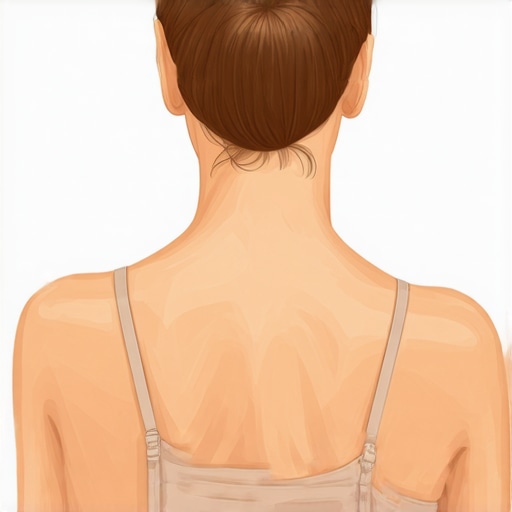
I remember the moment vividly—standing in front of my mirror, feeling that dull, persistent ache creeping across my mid-back after a long day. It was a familiar discomfort, yet it took me a while to realize the culprit wasn’t just poor posture or stressful workdays, but something surprisingly simple: my bra straps. That thin, seemingly harmless band was pulling on my shoulders in ways I hadn’t fully understood, contributing to tension that radiated down my spine.
How Tiny Bra Straps Can Wreck Your Mid-Back
It may sound unbelievable, but those delicate straps can exert enough pressure to disrupt your posture and cause ongoing discomfort. When your bra straps are overly tight or poorly fitted, they can lift your shoulders unnaturally or pull them forward, leading to muscle strain and even misalignments in your thoracic spine. Over time, this can spiral into chronic tension, headaches, and reduced mobility.
Could Your Daily Routine Be Worsening the Problem?
Absolutely. I made the mistake early on of ignoring how my daily habits affected my posture. Wearing ill-fitting bras, slouching at my desk, and neglecting mobility exercises created a perfect storm. That oversight worsened my back pain instead of alleviating it. Fortunately, the awareness came, and I began exploring ways to address these hidden contributors—like adjusting my bra fit and incorporating targeted mobility work.
Why Addressing Your Strap Fit Matters and What You Can Do Now
Taking action on this issue isn’t just about comfort; it’s about protecting your overall spinal health. Correct fit and mindful posture can make a noticeable difference. If you’ve experienced mid-back tension that refuses to go away, it’s worth examining your bra fit and how your daily habits may be contributing. Want to learn how mobility exercises or chiropractic adjustments can help? For a comprehensive approach, check out this guide on the link between mobility and posture. Let’s dig into practical steps to rid yourself of unnecessary tension—starting with a simple assessment of your bra fit and posture awareness.
,
Assess and Adjust Your Bra Fit for Immediate Relief
Begin by evaluating how your bra straps fit—tight straps can pull shoulders forward, leading to tension. To do this, use a mirror to check if straps are digging into your skin or causing uneven shoulder levels. If they are, get fitted at a specialty store or adjust the straps yourself to sit comfortably without pulling. In my experience, taking five minutes to loosen or tighten straps physically changed my daily comfort levels. A well-fitted bra acts like a pivotal point, much like a quality chiropractic adjustment, keeping your shoulders in optimal alignment.
Incorporate Targeted Mobility Exercises to Release Tension
Next, integrate mobility drills into your routine that focus on thoracic spine flexibility. For example, perform the “Cat-Cow” stretch or thoracic rotations—these are akin to lubing a squeaky hinge, allowing your spine to move freely. I set a reminder to do 10 repetitions of thoracic rotations every morning, especially on days I feel stiff. This practice enhances your range of motion, helping your shoulders settle into a healthier position and reducing strain from everyday activities.
Start Daily Posture Awareness to Reinforce Progress
Develop a habit of checking your posture periodically—think of it as a wellness GPS. When sitting at your desk, sit back fully into your chair, anchor your feet, and keep your shoulders relaxed. Use a mirror or even record yourself to observe postural habits that might be pulling your shoulders forward or causing hunching. I caught myself slouching during a meeting and consciously corrected it, which over time retrained my muscle memory. Regular awareness is essential, much like routine chiropractic visits, to maintain optimal alignment and prevent re-tension.
Utilize Chiropractic Adjustments for Lasting Symptom Relief
Consider scheduling a chiropractic assessment to identify underlying misalignments contributing to your mid-back discomfort. Techniques such as spinal adjustments work like realigning a wobbly chair, restoring symmetry and reducing undue stress on muscles and ligaments. I visited a chiropractor after trying these steps myself, and the relief was immediate—allowing me to sustain my progress without setbacks. For more insights on how adjustments can help, explore this article on chiropractic benefits.
Implement Consistent Mobility Practices for Long-Term Success
Finally, commit to a regular mobility routine, such as daily stretching or foam rolling, to keep muscles supple and prevent tension buildup. Techniques like the “Thoracic Extension on Wall” or foam rolling along your upper back can be effective, similar to tuning a musical instrument. I dedicate 5 minutes before bed to these practices, which fosters lasting postural health and reduces reliance on corrective adjustments. Check out this guide on mobility exercises for specific routines tailored to your needs.Many believe that chiropractic adjustments are a quick fix or that once you get realigned, your problems are permanently solved, but the truth is more nuanced. In my experience, a common myth is that adjustments alone are sufficient to maintain long-term health. While chiropractic techniques are powerful tools—especially when combined with mobility exercises and posture correction—they shouldn’t be viewed as a one-time fix. Consistent care and active habits are essential for lasting results.
Is Chiropractic Adjustments Enough to Sustain Good Posture, or Are We Missing the Bigger Picture?
It’s a misconception that adjustments permanently cure postural issues. Without addressing underlying habits, such as poor ergonomics or movement patterns, misalignments often recur. Think of adjustments like tuning a guitar; regular tuning keeps it sounding great, but ignoring the strings’ tension or playing technique will cause it to go out of tune again. Learning about the nuances of mobility and neuromuscular control is crucial. For example, studies show that incorporating targeted mobility routines can significantly enhance the effectiveness of chiropractic care and reduce the risk of re-injury. Check out this guide on mobility and posture to understand how these elements work together.
Another common trap is believing that only the most dramatic postural corrections matter. Slight misalignments or subclinical tension can silently contribute to chronic discomfort and even feed into muscle imbalances. Advanced practitioners recognize that small, overlooked issues—like uneven shoulder height or subtle rib flare—can have outsized impacts over time. Often, clients focus on visible blocks, such as a noticeable hunch or slouch, missing the quieter, yet equally destructive, imbalances that accumulate. Developing an eye for these nuances requires experience and an understanding of the body’s complex biomechanics. Avoid the mistake of neglecting these subtleties, as they can be the key to truly resolving chronic discomfort. To implement this understanding into your routines, exploring rehabilitative mobility routines can be transformative.
Why Do Many People Fail to Achieve Long-Term Postural Improvement?
One reason is the misconception that postural correction is solely about muscle relaxation or stretching. While vital, these interventions must be combined with strengthening and neuromuscular retraining to produce sustainable changes. For example, focusing only on stretching tight muscles without addressing weak stabilizers can lead to a relapse of poor habits. Moreover, a lack of awareness about everyday habits—like habitually slouching while using devices or carrying heavy bags—can undermine efforts. The process requires a holistic approach that includes adjustments, mobility, strengthening, and behavioral habits. This is why ongoing education and personalized assessment are critical. For further insights, consider exploring this article on chiropractic care as a posture-enhancing tool. Remember, true progress involves becoming an active participant in your biomechanical health instead of relying solely on passive treatments. Have you ever fallen into this trap? Let me know in the comments.
Maintaining optimal posture and mobility isn’t a one-time effort; it requires the right tools, consistent habits, and a proactive approach. Over the years, I’ve refined my personal toolkit based on practical experience and emerging research, ensuring that I stay aligned and mobile long-term. Whether you’re a busy professional or an active enthusiast, investing in the right equipment can significantly enhance your progress and sustainability.
Invest in a Quality Foam Roller for Deep Tissue Work
One staple in my arsenal is a high-density foam roller. I use it daily to release tension in my thoracic and lumbar muscles, which are often tight from prolonged sitting or stress. The key is to select a firm roller with a textured surface; this allows for targeted release without excessive pressure that could cause bruising. Regular self-myofascial release with a foam roller prevents muscle knots and keeps my mobility fluid. When used consistently, it can reduce the need for frequent chiropractic visits and improve tissue elasticity over time.
Utilize an Adjustable Lumbar Support for Proper Sitting Posture
In my workspace, an adjustable lumbar support under my chair has been transformative. It actively promotes lumbar lordosis, encouraging my lower back to maintain its natural curve during long hours at the desk. This simple ergonomic device, combined with mindful posture checks, helps me avoid slouching and unnecessary strain. Remember, good alignment begins with how you sit; tools like these remind you to adopt healthier habits throughout the day.
Try a Smart Posture Reminder Device
Technology can be a game-changer. Devices like posture sensors or wearable alerts vibrate gently whenever I slouch or lean forward. They serve as real-time feedback mechanisms, training my reflexes to recognize poor posture before it becomes ingrained. Over time, this fosters subconscious awareness—a critical factor in long-term posture health. As research suggests, consistent cues help solidify correct neuromuscular habits and reinforce muscle memory.
Maintain Mobility with Guided Streaming Programs
To keep my mobility routines engaging, I subscribe to online classes like those found on this platform. The curated routines focus on thoracic extension, hip mobility, and cervical flexibility—areas essential for comprehensive spinal health. These programs are designed to be accessible, typically taking less than 10 minutes daily, yet their cumulative effect is profound. Incorporating these into my routine ensures I stay proactive, not reactive.
Future Trends: Smart Equipment and AI-Driven Customization
Looking ahead, I predict the customization of mobility and posture programs through artificial intelligence. Imagine a system that analyzes your movement patterns and suggests personalized exercises, much like advanced gait analysis tools used in physical therapy. This trend will make targeted interventions more accessible and efficient, pushing the frontier of long-term self-care. Staying ahead means integrating these innovations as they become available, ensuring your efforts are both effective and sustainable.
How can you keep your posture and mobility working for you year after year?
The secret lies in layering simple, effective tools with consistent habits. Start by trying an advanced mobility drill, such as my favorite thoracic extension on the wall, which you can learn more about in this guide. Pair that with regular self-assessment and smart tech reminders, and you’ll build a resilient foundation for long-term spinal health. Remember, the journey is ongoing—small, deliberate actions will yield lasting results. Ready to take it to the next level? Incorporate one new tool into your routine today and observe how your body responds.
The Hardest Lesson I Learned About Chiropractic and Posture
One crucial insight I discovered is that quick fixes, like a single chiropractic adjustment, aren’t enough. Lasting improvement requires ongoing habits and self-awareness, much like maintaining a garden—not just watering once but regularly nurturing your plants. This realization transformed my approach from seeking instant relief to committing to daily mobility routines that support true long-term health.
Tools That Changed My Posture Journey
Over the years, I’ve found that a high-quality foam roller is indispensable for tissue health, helping to prevent knots and improve mobility—learn more about targeted mobility exercises. An adjustable lumbar support keeps proper alignment during long work hours, emphasizing the importance of ergonomic tools. Additionally, smart posture reminder devices have trained my brain to recognize and correct poor habits automatically. These tools, combined with expert-guided programs, form a comprehensive toolkit for lasting posture improvements.
Embracing the Ongoing Journey Toward Better Posture
Ultimately, improving your posture and mobility is about more than fixed positions; it’s a continuous process. Small daily actions—like mindful sitting, regular mobility drills, and periodic self-assessments—compound over time, leading to significant change. Remember, progress isn’t linear, and setbacks are part of learning. Stay patient, stay committed, and celebrate even the tiniest improvements. Are you ready to make this journey your own? Why not start today by integrating one new mobility habit into your routine and see how your body responds? Let’s keep the conversation going—share your experiences below and inspire others on their path to a healthier spine.