
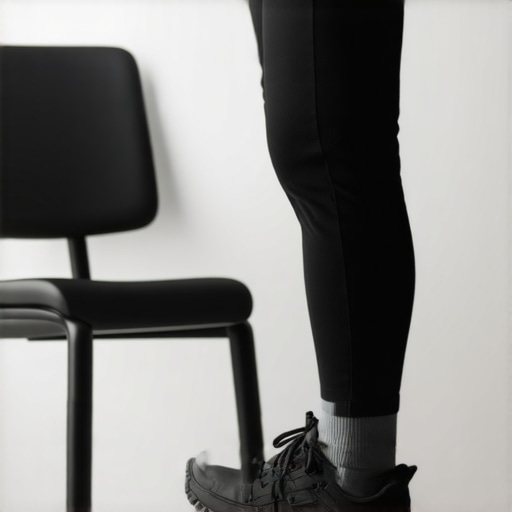
It was a morning just like any other—until I took my first step and felt that familiar, nagging ache in my lower back intensify. You know that moment when your shoes seem to betray you, turning simple walks into discomfort marathons? That was my lightbulb moment. I realized that my footwear choices weren’t just about fashion; they were quietly sabotaging my posture and prolonging my pain. If you’ve ever found yourself hesitating before slipping into your daily shoes, wondering if today’s choice will set your back off again, you’re not alone.
The Power of Your Shoes on Your Spinal Health
Over the years, I’ve learned that the right footwear can make a world of difference, especially for those managing chronic lower back issues. Shoes influence how we stand, walk, and distribute our weight—all crucial factors in spinal alignment. I made the mistake early on of ignoring this connection, opting for trendy sneakers without considering their support. That oversight led to unnecessary discomfort and a frustrating cycle of trial and error. Now, I understand that selecting proper footwear isn’t about sacrificing style but embracing support and stability that safeguard your spine.
Is the Latest Shoe Trend Actually Hurting Your Back?
Many folks, myself included in the beginning, fall for flashy trends that prioritize looks over function. I used to think that a sleek, minimalist shoe was enough to keep my back happy—until I realized I was just masking pain with aesthetics. The truth is, not all stylish shoes are equal in supporting your lower back. A pivotal moment came when I read that improper shoe support can lead to misalignments, exacerbating back pain over time. For practical tips on choosing supportive footwear, I suggest exploring resources like chiropractic care for better posture.
Have you experienced a sudden flare-up after wearing a new pair of shoes? If so, you’re not alone—and there’s hope. Let’s dive into how to identify footwear that truly supports your back and what to look for to prevent future discomfort. By the end of this guide, you’ll be equipped to make smarter choices that support a pain-free posture and active life.
Invest in Supportive Footwear with Intention
First, evaluate your current shoes. Look for soles that are firm, cushioned, and have a stable heel. When I realized my habitual wearing of trendy sneakers lacked arch support, I replaced them with walking shoes that incorporated a firm midsole and proper heel cup. This simple swap reduced my lower back discomfort over two weeks. Remember, prioritize shoes that help in distributing your weight evenly and align your pelvis correctly.
Check for Adequate Arch and Heel Support
Stand barefoot on a neutral surface and observe your foot’s arch. If it’s flat or overly high, consider insoles designed for your foot type. I personally used custom orthotics after consulting with a podiatrist, which significantly improved my posture. Proper support prevents your ankles from rolling inward or outward, which can cascade up your kinetic chain, affecting your lower back.
Incorporate Targeted Mobility Exercises Daily
Next, establish a routine that enhances mobility in your hips, pelvis, and lower back. I recommend integrating simple, functional stretches such as hip circles and pelvic tilts. For instance, I started doing 10 pelvic tilts every morning, gradually increasing to 20. This movement acts like oiling a hinge, maintaining the fluidity of your lumbar spine and pelvis—crucial for posture stability.
Use Foam Rollers to Release Tension
Employ a foam roller on your lower back and glutes to break up tension in muscles that often become tight from poor support and posture. I once spent 10 minutes rolling my glutes and discovered immediate relief from lower back stiffness. This technique promotes better alignment and reduces strain, especially when combined with regular mobilization exercises.
Schedule Regular Chiropractic Adjustments
Schedule periodic chiropractic checks to correct misalignments that can develop subtly. During my first adjustment, the chiropractor identified a slight pelvic tilt that contributed to my pain. The process involved gentle manipulations that realigned my pelvis, akin to adjusting a crooked picture frame, which improved my posture and decreased discomfort. Such adjustments enhance your body’s natural ability to maintain spinal integrity and support daily movements.
Learn Self-Adjustments and Supportive Habits
Complement professional care by practicing safe self-adjustments and mindful habits. For example, I use a gentle lower-back stretch and focus on maintaining good posture during activities like sitting or lifting. Additionally, integrating mobility drills from chiropractic techniques into your routine reinforces better support systems.
Maintain Consistency for Lasting Results
The key to translating these steps into lasting relief is consistency. I tracked my footwear and exercises daily, making adjustments as needed. Over weeks, I noticed enhanced mobility and a significant decline in back pain. Keep in mind, every individual is unique; listen to your body and adapt these techniques to suit your needs, leveraging resources like mobility exercises and expert advice for sustained benefits.Many people operate under the misconception that chiropractic adjustments alone can permanently resolve posture issues or eliminate back pain, but this oversimplifies the complexity of spinal health. In my experience, one common myth is that a single adjustment or a quick fix can correct longstanding postural habits. While adjustments are powerful tools for realigning the spine, their true effectiveness depends on integrating targeted mobility exercises and lifestyle changes. Relying solely on adjustments without addressing muscular imbalances and movement patterns often leads to temporary relief rather than lasting results.
Another nuance many overlook is the importance of understanding the body’s proprioceptive feedback system. Our nervous system constantly monitors body positioning, and neglecting to train this awareness through functional movement can cause postural habits to re-emerge, undoing the benefits of chiropractic care. Incorporating mobility drills, such as those outlined in targeted mobility exercises, enhances neuromuscular control and sustains alignment improvements.
What are the risks of misinterpreting mobility and adjustments in advanced practice?
Many practitioners and patients alike fall into the trap of assuming that more adjustments equate to better outcomes. However, this can lead to over-manipulation, which may destabilize joints or create reliance on frequent treatments. Evidence suggests that combining chiropractic with individualized mobility work yields superior and more durable results, as shown in studies cited by seasoned experts like chiropractic care advocates. Moving beyond the myth of instant fixes involves recognizing that spinal health is a dynamic process requiring consistent effort in movement, posture, and self-awareness. So, next time you consider your treatment plan, ask yourself: am I addressing the root patterns or just managing symptoms? Have you ever fallen into this trap? Let me know in the comments.
Maintaining optimal posture and mobility over the long term requires more than just occasional exercises or adjustments; it calls for the right tools and strategies that integrate seamlessly into daily life. From my personal experience, investing in high-quality equipment and leveraging advanced techniques has been pivotal in sustaining my progress and scaling my efforts effectively.
Embrace Smart Tech for Consistent Monitoring
One of the most game-changing tools I’ve adopted is a posture tracking app combined with wearable technology. Devices like smart posture correctors or even advanced motion sensors provide real-time feedback, helping me catch misalignments before they become chronic issues. These tools serve as an external nervous system, alerting me when I slouch or hold an unfavorable position, empowering me to correct habits instantly. As technology evolves, I foresee a future where AI-driven analytics will customize mobility routines automatically, making maintenance even more personalized and effective.
How do I maintain posture and mobility tools over time?
Consistent use is key. I set daily reminders to wear my posture sensor and review app data, tracking my progress and adjusting routines as needed. Regular software updates and calibrations ensure these tools stay effective, while periodic professional consultations help interpret data and refine strategies. Over time, this integrated approach builds a resilient support system—much more reliable than sporadic efforts.
Select the Right Support Equipment
Personally, I rely on ergonomic tools like adjustable standing desks and lumbar support cushions designed with biomechanical principles in mind. For instance, my sit-stand desk allows me to alternate positions effortlessly, reducing strain. I also use foam rollers and massage balls for targeted muscle release, which is fundamental in preventing tightness that could undermine mobility gains. When choosing support gear, I prioritize evidence-based designs and user reviews that emphasize durability and active engagement rather than passive support.
What’s the future of mobility tools and support systems?
Advances in biofeedback devices and smart fabrics suggest that soon, our clothing might monitor muscle activity and posture in real time, offering immediate corrections. This integration will likely revolutionize maintenance routines, making posture health effortless and continuously optimized. For now, combining these high-tech devices with practical exercises from resources like the ultimate mobility guide can set you up for sustained success. I recommend trying out a posture app or ergonomic support piece today—you might just discover an effortless way to keep your progress on track.
Long-Term Results Come From Consistent Effort
Tools alone aren’t enough; they amplify your commitment. I’ve found that incorporating systems like scheduled mobility sessions, periodic check-ins, and ongoing education keeps my body functioning optimally. Combining digital solutions with traditional practices, such as chiropractic adjustments and mobility drills, creates a comprehensive approach that adapts as your body evolves. Remember, investing in quality tools and routines is an investment in your health—so choose wisely and stay disciplined.
Throughout my pursuit of a pain-free life, I discovered that true progress often came from internal shifts rather than external fixes. My most profound lesson was understanding how interconnected our habits, mindset, and small daily choices are in shaping long-term spinal health. Recognizing that consistency and mindful awareness trump quick-fix solutions made all the difference. Embracing a holistic approach—that includes quality support, targeted mobility, and smart technology—transformed not just my body but my entire outlook on health, proving that patience and dedication are the ultimate game-changers.