
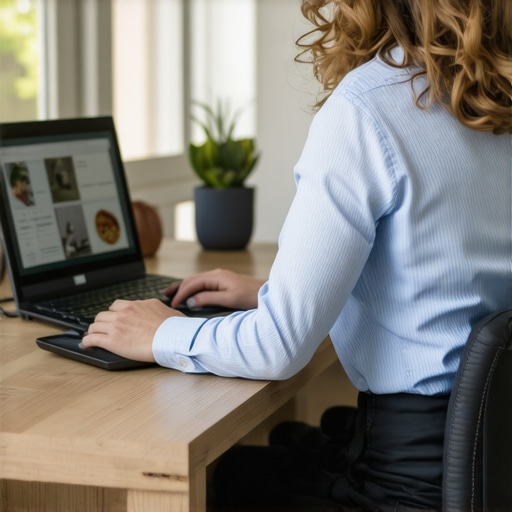
Ever been in the zone working from home, only to be suddenly hit with that sharp, shooting pain down your leg that makes you stop dead in your tracks? I remember one afternoon, typing away on my laptop when a familiar ache unexpectedly slammed into my lower back and radiated down my thigh. It was like my body had suddenly reminded me I didn’t take care of myself enough—despite thinking I was doing everything right. That lightbulb moment made me realize something: managing sciatica flare-ups isn’t just about popping painkillers; it’s about understanding our habits and making small, intentional adjustments.
Why Sciatica Can Turn Your Home Office Into a Pain Trap
Feeling Skeptical? Here’s Why Small Changes Matter
I used to believe pain was just part of the job—something to endure until it subsided. But I quickly learned that ignoring these signals only worsened things. Early on, I made the mistake of neglecting proper posture and skipping short mobility breaks, which led to more frequent and intense flare-ups. Surprisingly, studies show that prolonged sitting, especially without movement, significantly increases nerve compression risks associated with sciatica (source: https://quackersneck.com/why-your-pillow-choice-determines-your-morning-mood). That realization pushed me to seek practical strategies, and today I want to share those with you so you don’t have to go through the frustration of constant flare-ups alone.
Adjust Your Sitting Posture Correctly
Start by setting up your chair and desk to promote proper alignment. Sit back fully in your chair, ensuring your lower back is supported by the lumbar curve. Imagine your spine as a flexible garden hose; keep it straight but relaxed to prevent kinks that block nerve flow. I once spent an entire afternoon lazily slouching, only to realize hours later that my sciatic pain worsened. After adjusting my chair height and using an ergonomic cushion (see this guide), I immediately noticed less pressure stored in my lower back.
Incorporate Mobility Breaks into Your Routine
Set a timer every 30 minutes to stand, stretch, or walk around for a few minutes. Think of your body like a car engine—it needs occasional oiling and movement to run smoothly. During one chaotic workday, I forgot to move for over an hour, and my pain spiked. I halted my work and performed gentle hip circles and spinal twists, which unlocked tension and eased sciatic symptoms. For targeted mobility, try hip flexor stretches or cat-cow poses (refer to chiropractic techniques) to free up stiff joints.
Use Micro-Adjustments for Better Alignment
Small tweaks can significantly impact discomfort. Adjust your monitor to eye level, tilt your keyboard slightly, and keep feet flat on the floor. When I first started these micro-adjustments, I noticed an immediate reduction in neck strain, which indirectly alleviated sciatic nerve tension. Imagine your body as a finely tuned instrument; tiny misalignments can create discord, leading to pain. Regularly check your posture, and consider using lumbar rolls or cushions (see mobility hacks) to maintain optimal positioning.
Strengthen and Mobilize Your Core
A strong core acts as a natural support system, reducing stress on your lower back. Incorporate exercises like planks or bird-dogs into your daily routine. I once tried to ignore core work, but after a few weeks of targeted strengthening (see core-strengthening tips), my sciatic flare-ups diminished considerably. Visualize your core as the keystone of an arch; without it, your spine’s stability collapses, triggering nerve pain. Consistent activation of these muscles keeps your pelvis aligned, preventing nerve compression.
Reach Out for Professional Evaluation
If your symptoms persist despite these adjustments, consult a chiropractor experienced in sciatica management. A professional can perform targeted chiropractic adjustments that restore optimal joint function and nerve flow. I experienced firsthand how a precise spinal tweak helped me regain mobility and reduce pain after a long day of sitting. Think of chiropractic care as tuning up your body’s intricate wiring—small adjustments lead to big relief.
Be Consistent and Patient
Remember, improving posture and mobility isn’t a one-time fix—it’s an ongoing process. Just like building muscle or learning a new skill, consistency creates lasting change. I found that sticking to these routines, even when initial results were slow, eventually led to significant pain reduction. Visualize your body as a garden; regular care and attention yield a healthy, pain-free landscape over time.
Many individuals assume that perfect posture is solely about standing or sitting up straight, but in reality, it’s more nuanced. A common myth is that gripping muscles into stiffness creates stability—yet, this often leads to increased tension and pain, not relief. Experts emphasize that *mobility* requires a balance of strength and flexibility, achieved through dynamic movement rather than static holding. Research from the National Institute of Health shows that dynamic mobility exercises outperform static stretches in improving joint health (source: this guide).
Chiropractic adjustments are frequently misunderstood as quick fixes or manipulations that provide only short-term relief. However, the real benefit is in restoring the body’s natural biomechanics, preventing future misalignments. One advanced nuance many overlook is that *the timing and frequency of adjustments* influence long-term outcomes. A study published in the Journal of Chiropractic Medicine indicates that consistent adjustments over several months produce more sustained improvements in posture and pain reduction (source: this article).
Beware of the trap where people think they only need to adjust their posture during pain episodes. Postural habits are habits—they develop over time and require *ongoing management*. Incorporate mobility boosts daily, such as targeted exercises found at this resource, to reinforce spinal health. Regular, gentle re-alignment sessions are more effective when combined with conscious daily movement.
Another misconception is that chiropractic care replaces the need for strengthening exercises. The truth is, adjustments create the foundation, but *building resilience through specific exercises* is crucial. For instance, core strengthening routines like planks or bird-dogs complement adjustments by stabilizing the spine long-term, as highlighted in the comprehensive guide on posture improvement.
Finally, many overlook that the *mind-body connection* plays a significant role. Stress and tension can negate physical corrections if neglected. Mindful practices like controlled breathing, integrated into a chiropractic plan, optimize outcomes. This holistic approach is supported by research in the field of integrative health, emphasizing that mental well-being directly influences musculoskeletal health.
Have you ever fallen into this trap? Let me know in the comments. Remember, understanding these nuanced aspects helps you make smarter decisions for your posture and mobility. Consistency, informed choices, and professional guidance are your best allies on this journey toward pain-free movement.
Keep Your Progress Moving with the Right Tools
Staying consistent with posture and mobility routines requires more than just good intentions; it demands quality tools that support your goals. Personally, I rely heavily on specific equipment and software that make regular maintenance manageable and effective. For example, I highly recommend a lumbar support cushion like Everlasting Comfort because it provides consistent lower back support during long hours of sitting, helping prevent nerve compression that can lead to sciatica flare-ups. Its memory foam adapts to your posture, ensuring comfort without sacrificing alignment. Additionally, an adjustable standing desk converter has been a game-changer, allowing me to switch between sitting and standing effortlessly, reducing cumulative stress on my spine, and promoting circulation.
When it comes to mobility, incorporating tools like foam rollers and massage balls has been invaluable. A dense foam roller helps release tension in tight muscles, especially around the hips and lower back. Personally, I use a TriggerPoint GRID foam roller because its ridges target specific muscle groups and increase blood flow, which improves tissue health over time. For targeted muscle release, I use massage balls, such as the BackNJoy Massage Ball, to pinpoint stubborn knots that traditional stretching might miss. Regular self-myofascial release not only alleviates pain but also enhances mobility and supports longer-term posture improvements.
How do I maintain consistent progress over time?
The key is integrating these tools into your daily routine with discipline and awareness. Using software like posture-tracking apps can provide reminders and progress tracking, ensuring you don’t regress into bad habits. Moreover, scheduling periodic assessments with a chiropractor using advanced diagnostic tools (like digital posture analysis) can fine-tune your home practices. I believe in tracking your progress with photos and journaling to observe subtle yet meaningful improvements. Moving forward, I see technology evolving to provide even more personalized feedback—think of AI coaching that analyzes your posture through your webcam and offers real-time corrections, making maintenance effortless and precise.
Finally, adopting a habit of weekly mobility sessions using guided videos from trusted experts increases accountability. For instance, I follow mobility-focused routines that are designed to complement chiropractic adjustments and strengthen supportive muscles, truly creating a holistic approach. Try incorporating one of these advanced tools today and experience the difference in your ongoing posture journey!
Over the years, I’ve realized that some of the most transformative lessons about managing sciatica are born from personal trial and error—lessons that often aren’t shared during quick adjustments or casual consultations. Here are a few truths I’ve uncovered:
- Consistency Trumps Quick Fixes: Maintaining proper posture and mobility routines regularly has a compounding effect, more so than sporadic sessions or fleeting motivation. The real progress comes from daily dedication, turning small habits into long-term wins.
- Mindset Shapes Outcomes: Believing that pain is inevitable blinds you to possible improvements. Embracing an active, hopeful mindset accelerates recovery and encourages proactive habits—it’s as much mental as physical.
- Personalized Approaches Always Win: No two bodies are exactly alike. I’ve learned to listen deeply to my own signals and tailor exercises and adjustments accordingly, rather than blindly following generic advice.
- Invisible Habits Matter: Sleeping positions, footwear choices, even how you sit during meetings significantly influence sciatic health. Small unnoticed habits can be the unseen culprits or the unseen heroes of your recovery journey.
Tools and Resources That Became My Go-To Allies
Having experienced firsthand what works, I lean on specific tools that support my posture and mobility. The pillow I choose at night ensures spinal alignment during sleep, which is crucial. My favorite mobility tools include foam rollers and massage balls that help release tension in stubborn spots. For expert guidance, chiropractic techniques in 2025 are shaping the future of sustainable recovery. And for monitoring my progress, I use posture-tracking apps—because accountability fuels consistency.
Light the Path Toward Empowered Movement
If you’re tired of feeling sidelined by sciatica or posture issues, know that change is within your reach. Your body is an adaptable, resilient system—when supported by the right habits, tools, and mindset, lasting relief is possible. The journey begins with small steps and a willingness to listen to your unique needs. So, I challenge you: Take one intentional action today—perhaps adjusting your chair, stretching during breaks, or exploring a new mobility exercise—and see how it transforms your day.
Have you ever discovered a simple tweak that significantly improved your posture or relief? Share your story below—I’d love to hear what worked for you.