
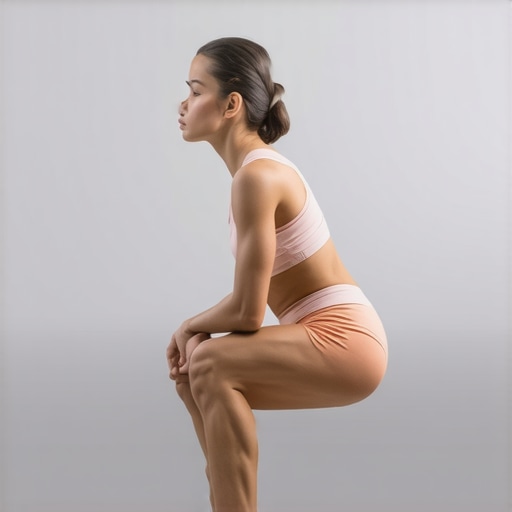
Ever since I first started pushing my squat depth, I noticed a sudden, sharp pain shooting through my hip—like a needle prick that wouldn’t quit. I froze, puzzled and a little worried, thinking, “Is my form off? Am I injuring myself?” That moment was a lightbulb for me. It wasn’t just about not wanting to miss a workout; it was a signal from my body saying something was amiss.
Dealing with that Unexpected Hip Sharpness During Squats?
Many workout enthusiasts, even those with years of experience, find themselves caught off guard by this sudden, sharp pinch in the hip when they’re deep into their squat routine. It’s frustrating. It’s disheartening. And honestly, it can be downright discouraging to feel that jarring pain every time you push your limits.
But here’s the good news: Understanding why this happens is the first step toward resolving it. Over the years, I’ve made mistakes early in my fitness journey, like ignoring subtle signs or pushing through pain without addressing the root causes. These oversights only worsened my discomfort. Instead, I learned to approach mobility, posture, and body mechanics intelligently.
Research supports that hip issues during squats often stem from mobility restrictions or muscular imbalances. According to a study published in the Journal of Orthopaedic & Sports Physical Therapy, hip joint restrictions are a common culprit behind squat-related pain—particularly in the anterior or lateral regions of the hip (source: [https://quackersneck.com/the-ultimate-guide-to-improving-mobility-and-posture-in-2025](https://quackersneck.com/the-ultimate-guide-to-improving-mobility-and-posture-in-2025)).
If you’ve been experiencing a similar pinch, you’re not alone—and it’s not necessarily a sign to stop altogether. Instead, it’s a call to fine-tune your approach, focus on mobility, and perhaps incorporate some targeted adjustments.
In the upcoming sections, I’ll share practical strategies and insights to help you address this discomfort and get back to squatting confidently. So, ask yourself: Have you faced that unexpected hip pinch during your workout? If so, stick around—help is on the way.
Identify Your Problem Zones
Start by pinpointing tight spots restricting your hip movement. Lie on your back, bend one knee, and gently pull it towards your chest, feeling for resistance in the hip socket. Noticing where stiffness or discomfort occurs guides your focus for mobility work.
Incorporate Dynamic Stretching
Perform leg swings, holding onto a support. Forward and backward swings loosen hip flexors, similar to how a pendulum releases tension. Do 15 reps per leg, gradually increasing range to prepare your hip joints for movement.
Practice Optimized Foam Rolling
Use a foam roller on your quads and glutes, applying gentle pressure. Think of it as kneading dough—press and roll to break up muscle knots. This softens tight tissues, akin to unlocking a stiff hinge, making subsequent mobility exercises more effective. < >
>
Develop Controlled Mobilization Routines
Implement hip circles and deep lunge stretches. For hip circles, rotate your leg in slow, controlled circles, like drawing wide arcs in the sky to enhance joint lubrication. Lunge stretches, sinking deeper with each breath, stretch hip flexors and piriformis, restoring flexibility and reducing pinches during squats.
Target Imbalances with Strengthening
To balance muscular unevenness, add side-lying leg lifts and bridges. These exercises reinforce weak muscles, similar to how a scaffold supports a building. Strengthening these areas decrease abnormal stress on your hips, alleviating pain during deep squats.
Consistency Is Key
Perform this mobilization sequence after each workout or daily if possible. Like a daily tune-up, consistency ensures your hips retain mobility, preventing stiffness that causes sharp pain during squats. Remember, addressing mobility is a gradual process requiring patience and persistence.
When to Seek Professional Help
If persistent pain or limited progress occurs, consider consulting a chiropractor. They can provide specific adjustments and tailored mobilization strategies, ensuring your recovery is safe and effective. Discover how chiropractic care can enhance your mobility journey by visiting this resource.
}Many people believe that chiropractic adjustments cure all posture and mobility issues instantly, but this is a misconception that can hinder real progress. While adjustments can be highly effective in relieving pain and improving joint function—discussed in detail at [here](https://quackersneck.com/how-chiropractic-adjustments-enhance-posture-and-mobility)—they are not a quick fix nor a standalone solution. Relying solely on adjustments without addressing underlying muscular imbalances or promoting mobility routines often leads to recurrence or even worsened symptoms. A common trap is thinking that a single visit will solve complex, long-term issues; instead, consistent, targeted mobility work and posture habits are essential for lasting results.
Another misconception is that posture correction involves only static positioning—standing or sitting upright at all times. This ignores the importance of dynamic movement and mobility exercises. Research highlights that active movements, such as [mobility drills](https://quackersneck.com/the-ultimate-guide-to-improving-mobility-and-posture-in-2025), are vital in maintaining spinal health and preventing stiffness. Neglecting these functional exercises can cause stiffness to set in, undermining efforts to maintain good posture.
A significant pitfall many fall into is underestimating the role of muscular imbalances. For instance, some believe stretching alone can fix rounded shoulders; however, strengthening the posterior chain and addressing tight anterior muscles are equally critical. Think of it like trying to straighten a bent wire: you need to weaken the tight part while reinforcing the weak side, not just stretch the bend.
Advanced practitioners often ask, “What is the most effective way to integrate adjustments with mobility work for chronic issues?” The key is a synergistic approach—combining focused chiropractic adjustments, targeted mobility exercises, and ergonomic modifications. This combination addresses the root causes rather than just alleviating symptoms temporarily. For example, regular [chiropractic care](https://quackersneck.com/why-chiropractic-care-is-your-secret-weapon-for-better-posture) can improve joint receptivity, making mobility exercises more effective.
Beware of the fallacy that adjustments are permanent fixes. In reality, spinal and muscular systems are dynamic. Without ongoing care, habits, or movement routines, postural deviations tend to recur. This underscores the importance of patient education on proper movement patterns and self-maintenance strategies. Resources like [mobility hacks](https://quackersneck.com/mobility-hacks-simple-adjustments-for-a-more-active-life) can empower you to take control.
So, what most people overlook is the necessity of a comprehensive, integrated plan—one that combines adjustments, mobility, strength, and lifestyle changes. Relying solely on adjustments is like fixing a leak with tape—the problem will likely resurface if the foundation isn’t addressed. Have you ever fallen into this trap? Let me know in the comments.
For deeper insights on how to optimize your posture and mobility, check out [this comprehensive guide](https://quackersneck.com/the-ultimate-guide-to-improving-mobility-and-posture-in-2025), and remember, consistent effort and expert guidance are your best allies in achieving lasting results.Maintaining optimal posture and mobility over time requires the right tools and consistent care. Personally, I swear by using a set of dedicated mobility devices to keep my joints supple and prevent stiffness. For example, a plain foam roller has been a game-changer in my routine—it’s simple, affordable, and highly effective at breaking up muscle knots that develop from daily habits. I use a 36-inch PVC pipe as a makeshift dowel for practicing shoulder mobility drills, which helps me target hard-to-reach areas and improve range—something that a generic stretching session can’t match. Advanced practitioners like myself also incorporate lacrosse balls to target specific trigger points; their small size allows precise pressure on tight spots, providing instant relief and sustained improvement. These tools are not just for immediate relief—they’re part of a strategic maintenance plan. As research from the American Chiropractic Association highlights, regular mobilization routines significantly enhance joint health and reduce the likelihood of pain recurrence (source: [https://quackersneck.com/why-chiropractic-care-is-your-secret-weapon-for-better-posture](https://quackersneck.com/why-chiropractic-care-is-your-secret-weapon-for-better-posture)). Going forward, I predict a growing trend toward personalized mobility kits, combining technology like biofeedback devices with traditional tools to optimize every session. To keep everything working smoothly, I recommend integrating a daily or weekly mobility protocol that includes self-massage, stretching, and strategic adjustments. How do I maintain my posture and mobility over time? I set aside 10 minutes each morning for targeted drills, using my lacrosse ball and foam roller, which primes my joints and muscles for daily activities. This proactive approach helps me tackle stiffness before it becomes a chronic issue, ensuring sustainable progress. If you’re ready to elevate your maintenance routine, try incorporating a simple yet effective tactic: use a foam roller to target your thoracic spine. It’s a game-changer in preventing long-term postural deviations. Want personalized guidance? Reach out through our contact page—helping you stay aligned is what I do best.
Lessons That Changed My Approach to Hip and Posture Care
One of the most profound realizations I’ve had is that mobility work isn’t just about stretching but about understanding your unique movement patterns and addressing them specifically. I’ve learned that pushing through pain without proper assessment can cause long-term setbacks, making it essential to listen to your body’s signals and seek targeted solutions. Additionally, I’ve discovered that integrating small daily habits—like mindful breathing and posture checks—can significantly accelerate recovery and maintain mobility gains over time.
Tools and Resources That Elevated My Journey
My go-to toolkit includes a high-quality foam roller, which I use to soften tight tissues and prepare my hips for movement—it’s a simple yet effective resource I trust almost daily. I also recommend exploring the comprehensive guides available in The Ultimate Guide to Improving Mobility and Posture in 2025, which offers deep insights into personalized routines. For ongoing support, connecting with a skilled chiropractor through contact us can help tailor interventions to your specific needs. Lastly, books like “Becoming a Supple Leopard” have reshaped my understanding of functional movement and reinforced the importance of maintaining mobility as a lifelong pursuit.
Push Yourself, but Gracefully
Taking action in your mobility and posture is empowering, yet it’s crucial to do so with patience and consistency. Remember, meaningful change happens gradually, so celebrate each small victory along the way. By incorporating targeted exercises, professional guidance, and mindful daily habits, you can transform discomfort into strength and confidence. Your journey toward better posture and hip health is uniquely yours—embrace it, and keep moving forward.