
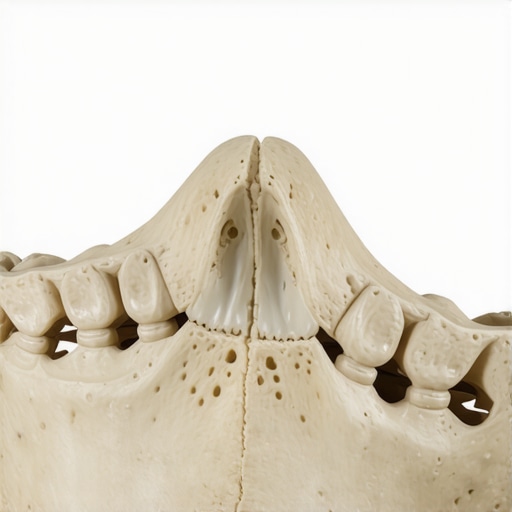
Have you ever sat down to enjoy a meal, only to be interrupted by that familiar, almost rhythmic clicking in your jaw? I remember the first time it happened to me — mid-bite, and suddenly, I felt like my own mouth was betraying me. It was frustrating, embarrassing, and honestly, a little alarming. I used to dismiss it as just a quirky quirk, but over time, I realized it was hinting at something deeper going on beneath the surface.
Uncovering the Real Reason Behind That Jaw Click
Here’s the thing: that small, repetitive clicking isn’t just a nuisance. It’s often a sign that your jaw joint, known as the temporomandibular joint (TMJ), is under strain. And what I discovered through my own journey — and what many others overlook — is that this issue is closely linked to your overall posture and mobility. When your posture is out of whack, or your mobility is limited, it can put extra stress on your jaw, leading to those annoying clicks every time you chew.
Is Your Jaw Clicking Actually Worth the Hype?
Early in my education, I made a mistake few people talk about: I ignored the importance of jaw and neck alignment, assuming the clicking was just a minor nuisance that would resolve on its own. Big mistake. Ignoring the problem can lead to more serious issues like chronic pain, headaches, or even difficulty opening your mouth fully. Understanding the root causes — especially how your posture and mobility contribute — can make a huge difference in resolving these discomforts.
Research supports this connection. A study published by the National Institute of Health indicates that dysfunctions in neck and jaw muscles are often interconnected. By improving your posture and enhancing your mobility, you can reduce undue stress on your TMJ, potentially eliminating that clicking sound altogether.
So, if you’ve been silently suffering from this issue or find yourself cringing every time you crunch into an apple or take a bite into bread, you’re not alone. The good news is, with some targeted adjustments and a better understanding of how your body works, you can put an end to this pesky problem. Let’s explore how to get started — because you shouldn’t let a simple click hold you back from enjoying your favorite foods.
Build a Foundation with Mobility Exercises
Start by incorporating daily mobility drills that target your neck and upper back. For example, perform gentle neck circles and shoulder rolls to release tension. I once dedicated 10 minutes each morning to these movements, which noticeably reduced my jaw’s clicking over a week. To make this easier, follow a routine like this mobility hacks guide.
Assess and Correct Your Posture
Use a mirror or record yourself to identify habitual slouching or forward head posture. When I caught myself leaning forward during work, I consciously reset by pulling my shoulder blades back and chin slightly tucked. For targeted adjustments, explore techniques from this chiropractic methods. Consistent awareness creates lasting change.
Incorporate Regular Chiropractic Adjustments
Scheduled chiropractic visits help realign your spine and jaw. Think of it like tuning a guitar — each adjustment fine-tunes your body’s structure. After my second session, I noticed a significant decrease in jaw noise and improved comfort when chewing. Learn more about this process at chiropractic’s role in posture.
Enhance Mobility with Targeted Stretches
Stretching tight muscles in your neck, shoulders, and chest alleviates strain. A simple doorway stretch or a gentle neck tilt can make a big difference. I added these to my routine and observed better jaw function within days. For specific routines, consult this mobility adjustment guide.
Practice Controlled Breathing and Relaxation
Stress can cause jaw tension and exacerbate clicking. Focus on diaphragmatic breathing to relax your jaw muscles. During stressful work afternoons, I paused for deep breaths, which helped release built-up tension. Explore more stress-reducing techniques in this relaxation methods article.
Maintain Consistency and Monitor Progress
Keep a journal of your exercises, posture adjustments, and symptoms. Over a few weeks, track changes in jaw clicking and discomfort. I found that consistency was key; skipping routines often led to rebounds. Adjust your approach based on how your body responds, and consider consulting professionals if issues persist.
Many enthusiasts and even some professionals overlook the subtle but critical pitfalls that hinder progress in improving mobility and posture. A common myth is that simply stretching or regularly visiting a chiropractor guarantees lasting results. However, this oversimplification can lead to ineffective routines or even setbacks. One nuance often missed is the importance of integrating mobility exercises within a functional movement context, ensuring that gains translate into real-life improvements rather than just isolated flexibility. Research by expert Dr. Stu McGill highlights that targeted, daily mobility work that aligns with your movement patterns yields better long-term outcomes, emphasizing consistency over one-off treatments.
Another trap is assuming that all chiropractic adjustments have the same effect, leading many to seek frequent, passive treatments without addressing foundational issues like muscle imbalances or biomechanical misalignments. Instead, combining chiropractic care with tailored mobility exercises and posture correction strategies, such as those described on this page, creates a synergistic effect that enhances durability.
For advanced practitioners, a common misconception is that mobility and posture improvements happen in isolation. The reality is that complex adaptation involves neuromuscular reeducation, where the nervous system learns new movement patterns through consistent practice. Skipping the neuromuscular component often results in temporary gains that revert under fatigue or stress. This nuance underscores the importance of engaging in functional movements, adjusting your habits, and seeking expert guidance, like advanced chiropractic techniques aimed at the integrated body system.
Before you rush into another stretching routine or chiropractic session, consider whether you’re addressing the root neuromuscular patterns rather than just superficial symptoms. The risk of complacency is real—believing minor improvements are sufficient, leading to long-term plateaus or injuries. Remember, true progress requires a comprehensive approach that combines mobility exercises, posture awareness, and professional support tailored to your unique biomechanics.
Have you ever fallen into this trap? Let me know in the comments. Exploring these nuanced aspects can transform your understanding and results, helping you move better and pain-free in the long run.
Achieving lasting improvements in mobility, posture, and spinal health isn’t about quick fixes; it requires the right tools and consistent effort. Over the years, I’ve refined my toolkit to include equipment and methods that truly make a difference, both in the clinic and at home. These tools not only aid in daily maintenance but also empower you to be proactive about long-term results.
Prioritize Quality Over Quantity in Your Equipment
When it comes to mobility and posture, investing in high-quality foam rollers and massage balls has been a game-changer for me. The mobility hacks guide recommends foam rollers with firm yet gentle density to effectively release fascia without causing pain. I personally prefer a dense, durable foam roller that can handle daily use, especially for my thoracic spine and hips. Using a roller with ridges specifically designed for trigger points enhances trigger release, helping to maintain spinal freedom and combat stiffness.
Smart Technology to Track and Sustain Progress
In today’s digital age, biofeedback devices like wearable posture sensors have become invaluable. I use a posture-correcting device that vibrates subtly when I slouch, reminding me to reset. This instant feedback reinforces good habits and makes me aware of habitual poor positioning, especially during long work sessions. Apps linked with these devices log your data, enabling you to see progress over time and adjust your routine accordingly.
Incorporating Expert-guided Programs
While self-maintenance tools are critical, structured programs guided by professionals can stem common pitfalls. Online courses centered on daily mobility routines, such as those provided by chiropractic techniques in 2025, integrate evidence-based movements with biomechanical understanding. These programs often include video tutorials, ensuring proper form and technique, which minimizes injury risk and maximizes effectiveness.
Address Chronic Tension with Targeted Stretches and Myofascial Release Tools
For persistent tension, tools like massage sticks or handheld massage guns have proven their worth. I recommend selecting models with adjustable intensity and multiple attachments to target specific muscles. A recent study published in the Journal of Bodywork and Movement Therapies emphasizes that consistent self-myofascial release enhances mobility, reduces discomfort, and maintains posture alignment over long periods.
How do I keep my improvements sustainable over time?
Long-term results hinge on integrating these tools into your daily routine and gradually building habits around movement and awareness. Set aside specific times for mobility drills, use feedback devices to correct postural habits, and periodically reassess your progression. For advanced practitioners, exploring the comprehensive guide to mobility in 2025 can provide deeper insights into evolving strategies that keep you aligned and pain-free. Remember, consistency is key — don’t wait until discomfort worsens before revisiting your tools and routines.
As a challenge, try incorporating a targeted mobility drill with your foam roller today. Pay close attention to how your body responds over the next few days, and you’ll notice subtle but meaningful improvements in your posture and ease of movement. Small, consistent efforts with the right tools will compound into lasting health benefits, ensuring your progress endures well into the future.
The Hardest Lesson I Learned About Mobility and Posture That Changed Everything
One of the most eye-opening realizations in my journey was understanding that quick fixes aren’t sustainable. I used to believe that a single chiropractic session or a brief stretching routine would resolve my jaw clicking forever. It wasn’t until I embraced consistent, integrated mobility work that I saw lasting results. This taught me the importance of patience and cultivating habits that support long-term health.
Why Ignoring Small Signs Can Lead to Bigger Problems
What I often overlooked was how subtle misalignments and tension accumulate over time. The tiny jaw clicks or minor neck discomfort are signals from your body telling you to pay attention. Addressing these early, with targeted mobility and posture corrections, can prevent chronic pain and dysfunction. My experience has shown that respecting these signs is vital for health longevity.
Do Your Daily Habits Support or Sabotage Your Well-Being?
High-pressure work environments and screen time often reinforce poor posture. I found that small adjustments—like mindful breathing and ergonomic tweaks—make a significant difference. Overhauling daily habits, instead of just treating symptoms, created a foundation for ongoing improvement. This awareness cycle is essential for anyone serious about mobility and posture.
How a Holistic Approach Outperforms Isolated Remedies
Focusing solely on stretching or adjusting without addressing neuromuscular patterns can lead to temporary relief but not real change. Combining chiropractic care with mobility exercises and conscious habit adjustments fosters durable results. My experimentation with this holistic method demonstrated profound benefits and reinforced the importance of a comprehensive strategy.
Curated Resources That Made a Difference in My Journey
To deepen my understanding, I turned to authoritative guides and tools. The ultimate guide to improving mobility and posture in 2025 provided evidence-based routines that I still rely on. The chiropractic techniques in 2025 show how advanced adjustments complement mobility work. For ongoing monitoring, wearable posture devices and the mobility hacks guide keep me accountable and motivated.
Take Action and Transform Your Well-Being Today
The path to lasting mobility and postural health begins with small, intentional steps. Whether you’re battling jaw clicking, neck tightness, or everyday fatigue, remember that consistent effort and informed choices are your best allies. Your body is resilient and capable of change—trust the process and start today. What’s one habit you can tweak now to support your mobility journey? Share below and let’s grow together.