
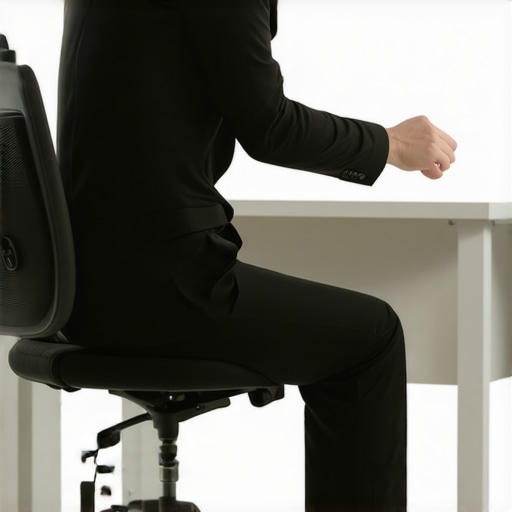
I remember the exact moment I realized I was heading down a dangerous path with my own posture. Sitting through back-to-back meetings, I’d often shrug off the pain creeping into my neck and shoulders, convincing myself it was just part of a busy workday. One afternoon, after a seemingly harmless stretch, I accidentally tweaked my neck—a reminder that ignoring small aches can lead to bigger issues. It hit me then: I needed a quick, reliable way to reset my posture before this pain became permanent.
The Power of a Short Reset
While it might sound too simple—or even too good to be true—the truth is that just three minutes of targeted movement can make a noticeable difference. After experimenting with different technique combinations, I discovered a simple routine that I now do immediately after my meetings. The best part? It’s quick, effective, and easy to incorporate into any busy schedule. If you’ve ever felt that post-meeting stiffness or worry about developing chronic pain, you’re not alone. That’s exactly what motivated me to share this method, knowing how much it’s helped me stay resilient.
Is This Just Another Trend or Worth Your Time?
One common mistake I made early on was dismissing these quick fixes as gimmicks. It wasn’t until I experienced a significant reduction in my neck tension that I realized there’s real value here. Scientific research also supports that brief, consistent movements can improve mobility and reduce discomfort. For instance, the National Academy of Sports Medicine emphasizes the importance of mobilization routines for long-term joint health. So, if you’re skeptical—trust me—trying a short, mindful reset might just be worth your while.
Have you ever felt that lingering stiffness after hours at your desk? If so, you’re in the right place. Let’s dive into the simple steps that can transform your post-meeting routine and keep you pain-free for years to come.
Activate Your Posture with a Gentle Mobilization
Begin by standing tall with your feet shoulder-width apart, feeling grounded. Imagine you’re a puppet on strings, gently lifting your chest while keeping your shoulders relaxed. Slowly tilt your head forward, then backward, and side to side, moving through a full, gentle range of motion. This prepares your neck and upper back for upcoming adjustments. I once tried this right after a long meeting; at first, my movements were hesitant, but within a minute, I felt a noticeable looseness. Integrate this step regularly to keep your spine mobile.
Use Dynamic Breathing to Engage Deep Muscles
Place one hand on your belly and the other on your chest. Inhale deeply through your nose, filling your lungs from the bottom up—visualize your breath reaching your diaphragm. Exhale slowly through pursed lips. This activates your core and relieves tension around your mid-back. I remember practicing this during a stressful workday, and it instantly softened tight muscles that had been aching for hours. Breathing deeply fuels your body’s ability to adjust and stabilize your posture, making subsequent steps more effective.
Implement Targeted Mobility Movements
Next, perform gentle thoracic rotations. While on all fours or seated, clasp your hands behind your head. Rotate your upper body to one side, keeping your hips stable. Return to center and repeat on the other side. These rotations help unlock your mid-back, similar to oiling a rusty hinge. I had a morning where my shoulders were stiff from hunching over the computer; these twists brought instant relief. Regularly incorporating thoracic mobility restores proper spinal mechanics, preventing stiffness from becoming chronic.
Applied a real-world tweak
Once, I did these twists in front of my monitor, which initially made me dizzy—so I slowed down and focused on controlled movements. The result was a significant decrease in tension in my upper back, enabling me to sit upright comfortably. Remember, small controlled movements are key; avoid aggressive twisting that can strain muscles. This technique also supports healthier chiropractic adjustments, allowing them to take hold more effectively. For more advanced mobility routines, explore targeted mobility exercises.
Practice Gentle Self-Adjustment Techniques
Now, gently apply pressure with your hands to areas of tightness, like your upper shoulders or neck. Think of this as pressing a reset button—lightly pressing and then releasing allows muscles to relax. A common mistake is applying too much pressure, which can cause discomfort, so proceed slowly. During a hectic work week, I pressed gently to release a stubborn knot in my upper trap—instantly reducing pain and improving posture. This self-myofascial release complements your mobility efforts and prepares your body for the final step: stabilization.
The importance of consistency
Remember, doing these movements sporadically won’t yield lasting benefits. Make this routine a daily habit—perform it immediately after meetings or prolonged sitting periods. Over time, your muscles remember these patterns, and maintaining proper posture becomes second nature. For a comprehensive approach, consider consulting a professional; you can reach out here for personalized advice. Implementing these targeted steps empowers you to take control of your posture, reducing pain and preventing future issues.
Many people harbor misconceptions about chiropractic care and posture optimization, often believing that quick fixes or generic routines suffice for lasting results. One widespread myth is that all chiropractic adjustments are the same, but in reality, tailored techniques based on individual spinal patterns are far more effective. For instance, a study published in the Journal of Manipulative and Physiological Therapeutics highlights the importance of personalized adjustments for optimal outcomes, emphasizing that a one-size-fits-all approach often misses critical nuances. Another common misconception is that mobility exercises only involve stretching—when in fact, controlled mobility, involving gentle joint articulations, can unlock hidden restrictions and improve overall function. Overlooking these subtleties can lead practitioners and individuals to miss the benefits of targeted, advanced movements. Beware of the trap of relying solely on passive treatments like massage or cracking without active engagement; research shows that active mobility routines foster stronger, more resilient postural muscles, reducing dependence on adjustments over time. For those seeking a deeper understanding, exploring how specific mobility drills influence neural pathways can be revealing—such as in the advanced techniques discussed in the ultimate guide to posture and mobility improvements. Remember, a holistic approach that combines precise adjustments with conscious movement habits offers the best chance to prevent recurrence and build long-term resilience. Have you ever fallen into this trap? Let me know in the comments. For a tailored plan, consider reaching out through our contact page to discuss personalized strategies for posture mastery.Maintaining good posture and mobility requires more than just occasional stretching; it involves using specific tools and routines that support long-term health. One of my favorites is the foam roller, particularly the high-density versions. I personally swear by my 6-inch foam roller for releasing tight upper back muscles and improving overall spinal flexibility. Its firmness allows me to target deep tissues effectively, which is essential for preventing stiffness that leads to discomfort over time. Incorporating regular foam rolling sessions, especially after long periods of sitting, can significantly reduce muscle tension and enhance mobility.
Another invaluable tool is the massage stick. I use this handheld device daily to perform self-myofascial release on hard-to-reach areas like the shoulders and neck. The advantage over static stretching is that it breaks down adhesions more effectively, contributing to improved range of motion and posture. Using a massage stick properly ensures muscles stay supple, which in turn makes chiropractic adjustments more effective and sustainable.
When considering software, I recommend an app like MobilityWOD or a simple routine tracker. These platforms help me schedule and follow a personalized mobility routine, ensuring consistency. The trend in the future points toward integrating biofeedback and AI coaching to tailor movements precisely to individual needs. Already, some advanced systems analyze movement patterns via smartphone sensors to suggest corrective exercises. Implementing such technology could make home routines even more effective.
How do I maintain my posture over time? The key lies in consistency and proper tool use. Regularly scheduling mobility drills with equipment like foam rollers and massage sticks makes a notable difference. Plus, staying educated through credible resources, such as the ultimate guide to mobility and posture, keeps me motivated.
To truly solidify these gains, I challenge you to incorporate a daily self-myofascial release session with your preferred tool. Remember, small, consistent actions build remarkable resilience. Looking for tailored advice? Feel free to reach out here and start your journey toward lasting posture health. Staying proactive today ensures fewer aches tomorrow—so pick up that foam roller or massage stick and get moving!
The Hardest Lesson I Learned About Posture and Mobility
One of the most profound realizations I had was that quick fixes alone aren’t enough for long-term success. I once believed that a couple of stretches or adjustments would keep my posture perfect forever, but I soon experienced setbacks, reminding me that true progress demands consistency. This taught me that daily habits, reinforced by mindful movement, are the real foundation of lasting change.
Why I Stopped Overlooking the Small Signs
Initially, I ignored minor stiffness and discomfort, thinking they’d resolve on their own. However, these small signals were warnings of deeper issues. Paying attention to these cues—and addressing them early—validated that prevention is far more effective than fixing problems after they worsen. It’s a lesson I wish I had embraced sooner, and one I encourage others to take to heart.
The Power of Personalization in Your Routine
One-size-fits-all approaches rarely yield optimal results. Through trial and error, I discovered that tailoring mobility practices to my unique needs made a world of difference. This personalized approach—combining specific exercises, tools, and professional guidance—accelerates progress and builds confidence. Remember, your body is unique, and your routine should reflect that.
Curated Resources for Your Posture Journey
Over the years, I’ve found that targeted tools and credible information amplify results. My high-density foam roller has become an essential item for deep tissue release, helping me maintain mobility after long days. The mobility exercises detailed in that resource provide practical routines I practice daily. For in-depth understanding, the ultimate guide to mobility and posture remains my go-to reference for staying informed and motivated. Lastly, personalized adjustments by a chiropractor have been crucial—consulting experts ensures my routines stay effective and safe.
Your Next Step: Embrace Sustainable Change
Taking control of your posture isn’t a single moment but a continuous journey. Small, deliberate actions—like integrating mobility drills, using the right tools, and listening to your body’s signals—compound over time into remarkable improvements. I believe in your ability to transform your health by making consistent, informed choices. Remember, every effort counts toward a future free from pain and stiffness.
What’s one habit you’re planning to start today to improve your posture? I’d love to hear your thoughts below!