
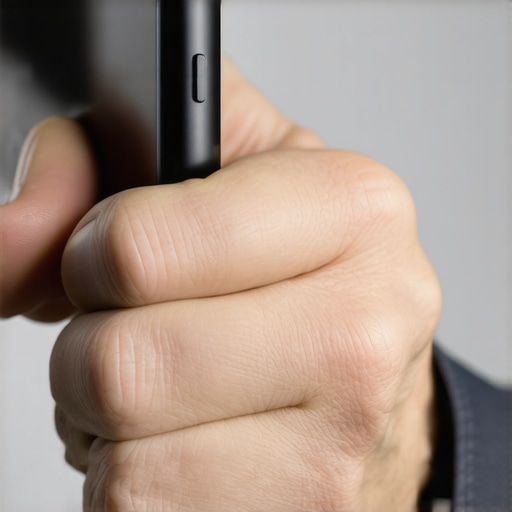
I remember the exact moment I first felt that dull ache in my thumb after scrolling through social media for what felt like the hundredth time. It was a lazy Sunday, and I couldn’t understand why a simple habit had suddenly become a source of real discomfort. That lightbulb moment made me realize something important: my phone, something I rely on daily, was quietly wreaking havoc on my body, especially my thumb.
Why Your Phone Could Be Sabotaging Your Well-Being
It might seem minor at first. A twinge here, a sore spot there. But over time, those minor aches can turn into persistent pain, making everyday tasks uncomfortable and even limiting your mobility. What’s really happening? Well, I’ve learned through my own experience—and backed by scientific research—that repetitive strain from phone use can lead to a condition known as ‘texting thumb’ or more broadly, thumb tendinopathy. Essentially, your thumb’s tendons become inflamed due to constant gripping, scrolling, and tapping, especially when combined with poor ergonomics.
Early on, I made the mistake of dismissing the pain as a normal part of tech use, only to realize that neglecting it would lead to more serious issues. Actually, I found that adjusting my phone habits and incorporating targeted mobility exercises significantly eased my discomfort. If you’re like me, and you’ve been shrugging off that nagging pain, you’re not alone. Together, we’re going to explore practical strategies that will help you recover without needing invasive treatments or expensive gadgets. Want to prevent this from becoming a chronic issue? Keep reading—there’s a way out.
Concerned that this might be a fleeting issue or an overhyped concern?
Trust me, I was skeptical too. But ignoring the pain almost forced me to change my daily habits or face enduring discomfort. The good news? Simple adjustments and expert-guided techniques can make all the difference. For more insights on improving your overall posture and reducing strain, check out this comprehensive guide. Don’t wait until it gets worse—your body deserves some care.
Now, let’s dive into what exactly is causing your thumb pain and how you can take steps to fix it. Ready to reclaim your comfort and mobility? Let’s go.
,
Adjust Your Phone Grip and Usage Habits
One of the first things I did was to change how I hold my phone. I transitioned from gripping it tightly with my thumb and fingers to supporting it with my palm and using just my fingertips for tapping. Think of your hand like a lever: the less force you apply in gripping, the less tension on your tendons. I practiced holding my phone with a looser grip while scrolling, which immediately reduced the strain. To reinforce this habit, set a reminder to check your grip every few minutes. This simple adjustment significantly decreased my thumb soreness over a week. Want to make this even easier? Use a phone stand or popsocket to reduce gripping altogether, much like resting a weight on a shelf rather than holding it in your hand.
Incorporate Wrist and Thumb Mobility Exercises
Warm-up Before Use
Before prolonged phone sessions, I perform quick mobility drills. For example, I roll my wrists clockwise and counter-clockwise ten times each, mimic squeezing a stress ball, and gently stretch my thumb away from my palm. Imagine your thumb and wrist as a hinge joint: if you don’t lubricate and loosen the hinges regularly, they stick and cause pain. These exercises act like oiling preventively. I did these exercises right after waking up and during short breaks—each session took less than two minutes. Over time, I noticed a dramatic improvement in flexibility and less pain from repetitive tapping.
Optimize Ergonomics to Minimize Strain
Positioning is crucial—think of it as setting your workspace for comfort. I set my phone at eye level using an adjustable stand, reducing the need to bend my neck or hold my arm up for extended periods. This approach is akin to adjusting a camera to get the best shot—proper angles minimize effort and tension. During high-volume sessions, I propped my elbows on a table to support my arms, preventing fatigue in my thumb and wrist muscles. Using a stand not only promotes better posture but also prevents the natural tendency to hunch or grip tightly due to fatigue. For more insights on proper posture, explore this guide.
Implement Micro-breaks and Rest Periods
My breakthrough came when I realized constant use was unsustainable. I adopted the 20-20-20 rule: every 20 minutes, look away and take a 20-second break, during which I stretched my thumbs and wrists gently. Think of this as giving your tendons a rest like recharging a battery. During these micro-breaks, I performed gentle thumb flexion and extension exercises—like opening and closing my hand slowly. This practice prevented buildup of inflammation and fatigue. Making these micro-intervals habitual meant I could scroll longer without discomfort, and my recovery sped up. Want even more? Check out mobility hacks for daily relief.
By systematically addressing grip, mobility, ergonomics, and breaks, you can combat thumb pain effectively. These steps are like tuning a musical instrument—small adjustments, but the sound (or in this case, comfort) is significantly improved.Many people assume that following standard ergonomic advice or getting regular chiropractic adjustments automatically guarantees perfect posture and pain-free movement. However, this approach often overlooks nuanced factors that can significantly influence effectiveness. For example, a common myth is that maintaining ‘perfect’ posture at all times is necessary; in reality, aiming for optimal mobility and functional movement patterns provides more sustainable relief. Overemphasizing static alignment can lead to rigidity, which actually hampers natural movement and compensates for underlying weaknesses.
Why do some advanced chiropractic techniques outperform traditional adjustments in long-term relief?
Recent research indicates that combining targeted mobility exercises with precise adjustments enhances neuromuscular function more effectively than adjustments alone. For instance, the chiropractic adjustment approach that incorporates functional movement analysis can unlock better postural adaptations. One trap to avoid is relying solely on passive treatments like massages or quick fixes without addressing root mobility restrictions. This can lead to temporary relief but often results in recurrence or worsening of symptoms over time. External studies, such as the one published in the Journal of Manipulative and Physiological Therapeutics, support the idea that active mobility combined with adjustments yields more durable improvements than passive modalities alone. Remember, body mechanics are dynamic; rigidly sticking to a single correction without integrating mobility work might be counterproductive. Expand your knowledge by exploring enhancing your posture through expert techniques. Have you ever fallen into this trap? Let me know in the comments.
Keeping Your Body in Shape with the Right Tools
Maintaining optimal posture and mobility over the long term requires more than just occasional exercises; it demands the right equipment and consistent routines. I personally rely on a few key tools that have significantly enhanced my ability to keep my body working effectively. One essential device is a high-quality ergonomic sit-stand desk. Moving between sitting and standing throughout the day not only reduces strain but also encourages dynamic movement, which is vital for long-term health. I use an adjustable standing desk that smoothly transitions, minimizing disruptions during my workflow and allowing me to incorporate micro-movements that keep my spine and muscles active.
Another game-changer in my routine is a quality foam roller. Regular use of a foam roller helps release fascia restrictions and enhances blood flow, which supports mobility and reduces stiffness. I target specific areas like my thoracic spine and hips—key zones for posture—using a dense foam roller for deeper myofascial release. For more specific mobility work, I incorporate a percussion massage device like Theragun. Its percussive therapy helps break down adhesions and promotes quicker recovery after mobility exercises, which I find invaluable for maintaining consistency.
In terms of software, I rely on mobility tracking apps. These tools gamify your daily routines and remind you to perform brief stretching sessions, making it easier to stay committed. I’ve found that setting custom alerts to perform a set of targeted neck and shoulder mobilizations every few hours keeps me agile and prevents chronic tightness. Combining physical tools with these digital nudges creates a balanced approach to long-term maintenance.
What’s Next in Body Maintenance
The future points toward smarter devices that integrate biometric feedback, guiding us through personalized mobility routines in real-time. Wearable tech, such as motion sensors and posture monitors, are becoming more accurate and accessible, promising a future where maintaining correct alignment is embedded into our daily lives seamlessly. These innovations will enable us to address deviations early, before they develop into pain or dysfunction.
If you haven’t already, I encourage you to try incorporating a posture-specific foam roller session into your daily routine. Start with targeted releases for your upper back and hips—these areas significantly influence your overall alignment. Remember, consistency is key; even a few minutes daily can yield substantial benefits over time.
How do I keep my mobility routine sustainable?
The secret is integrating your routines into habits you already perform daily. Use tools like a chiropractic adjustments or mobility exercises as part of your morning or evening rituals. Setting up your environment with accessible tools—standing desks, foam rollers, or massage devices—removes barriers to consistency. Remember to listen to your body; if a technique or tool causes discomfort, modify or pause it. Over time, these small yet deliberate practices will build resilience in your posture and mobility, making it easier to sustain long-term results.
The Hardest Lesson I Learned About Posture and Mobility
One profound realization I made was that even the smallest persistent habits, like gripping my phone too tightly, could silently undermine my long-term health. It wasn’t just about quick fixes or exercises; understanding the root cause of my discomfort led me to transform my entire approach to daily movement and ergonomics.
Tools That Became My Posture Allies
Incorporating a high-quality ergonomic sit-stand desk and a foam roller into my routine revolutionized how I maintain mobility and proper alignment. These tools aren’t just gadgets but invested partners in my journey to a pain-free life. Exploring this guide helped me understand their strategic importance. When I combine physical tools with digital apps that track my progress, consistency becomes effortless, and results become sustainable.
A Call to Action: Your Path Awaits
Take a moment today to evaluate your phone habits and how they might be secretly affecting your posture. Small, mindful adjustments can lead to big changes in your comfort and mobility. Remember, the journey to better posture and mobility isn’t about perfection but persistence. Your future healthier self will thank you for the steps you start taking now.
What’s one small change you’ll try today to improve your posture? Share your plan below—I’d love to hear your thoughts!
,