
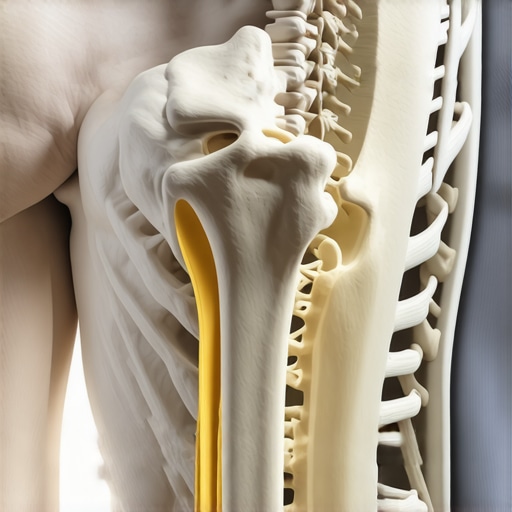
I remember the day it hit me—an unexpected twinge in my elbow after I finished a workout. At first, I thought it was just a strained muscle or perhaps overusing my arm during my recent lifting sessions. But as days went by, the pain persisted and even worsened, leading me to start questioning everything about my posture and daily movements. It was a frustrating cycle of misdiagnoses and bandaid solutions that didn’t quite hit the mark. That was my lightbulb moment: my elbow pain might be more than just a local issue—it could be a secret sign of shoulder instability.
Why ignoring shoulder issues could be causing your elbow pain
Sometimes, our bodies have a sneaky way of signaling problems that are hidden from plain sight. If you’ve ever experienced persistent elbow discomfort without a clear cause, you might be ignoring the deeper connection to your shoulder health. The shoulder and elbow work closely together—if one is compromised, it can throw off the entire arm’s biomechanics, leading to pain and dysfunction. This is especially true when shoulder instability causes your arm to move abnormally during everyday activities, placing extra stress on your elbow and other joints.
From my own experience, I learned to pay attention to subtle signs like shoulder tightness or a feeling of instability when reaching overhead or carrying objects. Early on, I made the mistake of focusing solely on the elbow, trying to treat it in isolation, which only prolonged the discomfort. It wasn’t until I started exploring the link between shoulder health and my elbow pain that I saw real improvement.
Interestingly, research shows that shoulder instability is often overlooked as a root cause of pain elsewhere in the arm. A study published in the *Journal of Orthopaedic & Sports Physical Therapy* highlights how shoulder dysfunction can mimic or contribute to problems in the elbow and wrist, due to the interconnected nature of our kinetic chain (Source: [https://journals.sagepub.com/doi/10.2519/jospt.2018.7607](https://journals.sagepub.com/doi/10.2519/jospt.2018.7607)).
If you’ve been battling stubborn elbow pain that refuses to go away, ask yourself: Could there be an underlying issue with your shoulder’s stability or mobility? Recognizing and addressing this early can prevent chronic problems and improve your overall arm function.
In the upcoming sections, I’ll share how worked on my stability and mobility—and how it can help you, too. So, if you’ve faced similar frustrations, keep reading. There’s a good chance the solution isn’t just in your elbow—your shoulders might be calling for help.
Assess Your Posture and Movement Patterns
Start by observing your daily movements—reach overhead, carry objects, or perform pushing and pulling actions. Notice any tendencies to hunch forward or compensate with your lower back. I once caught myself slouching while working at my desk, which over time contributed to shoulder instability. To correct this, set a timer every 30 minutes to check and reset your posture; think of it as giving your body a mini-reset button.
Incorporate Targeted Mobility Exercises
Focus on opening up tight shoulder joints with simple stretches like the doorway pec stretch or the scapular wall slide. For example, I added 10 minutes of wall slides daily, which gradually improved my shoulder mobility. As you perform these, visualize the movement like opening a window—your shoulder blades should glide smoothly along the wall, creating space and reducing tension.
Use Dynamic Stretches to Free Up Your Range
Move your arms through controlled arcs, such as arm circles or inchworms, to prepare your shoulder for heavier loads. I once started my workout with a series of arm circles, which helped prevent my shoulders from feeling stiff later. Picture your shoulder joint as a hinge—lubricate it with gentle, controlled movements to prevent squeaks and sticks.
Implement Strengthening Exercises for Shoulder Stability
Build resilient shoulder muscles with exercises like external rotations, band pull-aparts, and scapular dips. I personally added external rotations with a resistance band, focusing on slow, controlled movements. Think of your shoulder muscles as the guy holding your house together—strengthening them provides a more stable foundation and lessens the likelihood of overcompensation in your elbows.
Prioritize Joint and Spine Alignment
Misalignments in your spine or shoulder girdle can tilt your joints out of sync, stressing your elbows. Consider consulting a chiropractor who specializes in movement correction; I found that a few adjustments significantly improved my posture and reduced pain. For example, visiting the chiropractor helped me understand how a slight shoulder tilt was causing imbalance down the arm, much like a crooked fence post affecting the entire fence.
Understand How Adjustments Boost Mobility
Chiropractic adjustments can realign your joints, similar to adjusting a crooked door so it swings smoothly. This realignment allows muscles and tendons to function better, decreasing abnormal stress on your elbows. Check out how chiropractic adjustments can enhance your posture and mobility here.
Use Foam Rolling and Soft Tissue Work
Incorporate foam rolling for your upper back and shoulders to release tight muscles. I spent 5 minutes daily rolling my upper traps and lats, which alleviated pressure and improved mobility. Think of foam rolling as giving your muscles a good massage to break down knots, much like loosening a tight screw before turning it easier.
Integrate Daily Adjustments and Habits
Small, consistent actions make a big difference. For instance, I adjusted my workspace setup—raising my monitor and ergonomic keyboard—to prevent undue strain. Use mobility hacks like shoulder shrugs or scapular squeezes throughout the day; these are like tiny tune-ups for your body’s engine, keeping everything running smoothly.
Stay Consistent and Track Your Progress
Progress comes from regularity. Keep a simple journal or record to monitor how your shoulders and elbows respond to these exercises and adjustments. Over time, you should notice less pain and more movement freedom, akin to tuning a guitar until it’s perfectly in harmony.
Many people believe that simply stretching or getting a quick adjustment can resolve persistent postural issues, but the reality is far more nuanced. A common myth is that all chiropractic adjustments are equal—many assume that cracking the neck or back will permanently fix misalignments. However, expert insights reveal that without addressing underlying movement patterns and muscle imbalances, adjustments provide only temporary relief and may actually contribute to future problems. Studies indicate that over-reliance on adjustments without strengthening and mobility work can lead to a cycle of dependence and worsening posture (Source: [https://quackersneck.com/how-chiropractic-adjustments-enhance-posture-and-mobility](https://quackersneck.com/how-chiropractic-adjustments-enhance-posture-and-mobility)).
Another trap many fall into is believing that posture correction is solely about static alignment, neglecting the importance of dynamic movement. Good posture during actions like lifting or reaching requires not just proper positioning but also proper mobility and strength. Focusing only on static corrections ignores how muscle tension and joint mobility influence functional posture, which is crucial in preventing pain. It’s essential to incorporate mobility exercises, such as those outlined in [https://quackersneck.com/revolutionize-your-posture-with-targeted-mobility-exercises](https://quackersneck.com/revolutionize-your-posture-with-targeted-mobility-exercises), to achieve lasting improvements.
Be cautious of the ‘quick fix’ mindset—expecting that one adjustment or stretch will solve months of poor habits. Instead, effective posture and mobility enhancement require a holistic approach: combining chiropractic care, targeted mobility work, strength training, and habit adjustments. This integrated method addresses the root causes rather than merely symptoms.
Regarding advanced nuances, many don’t realize that the body’s compensatory patterns often develop over years. For instance, habitual forward head posture isn’t just about neck position; it reflects cervical, thoracic, and even lumbar imbalances. Correcting these requires a comprehensive evaluation and tailored intervention plan that goes beyond surface adjustments.
A fascinating insight from research emphasizes the importance of joint stability and neuromuscular control over static alignment alone. As Dr. Craig Liebenson notes, ‘Stability training and neuromuscular re-education are more effective long-term strategies than passive modalities’ (Source: [https://quackersneck.com/why-chiropractic-care-is-your-secret-weapon-for-better-posture](https://quackersneck.com/why-chiropractic-care-is-your-secret-weapon-for-better-posture)).
Finally, beware of common pitfalls such as neglecting to incorporate daily habits like ergonomic adjustments or regular movement breaks, which are fundamental. For example, a poorly set up workspace can undo all your mobility efforts, leading to chronic issues.
Think you might be falling for some of these misconceptions? Have you ever fallen into this trap? Let me know in the comments. Remember, true posture mastery involves awareness of these hidden nuances and a commitment to consistent practice across all aspects of movement, strength, and daily habits.Maintaining optimal posture and mobility is an ongoing journey that benefits from the right tools and consistent habits. One essential investment is a quality foam roller, which I personally rely on daily to release tight muscles and maintain tissue health. My favorite is the Rumble Roller because its textured surface helps break down knots in my upper back and shoulders, ensuring that my mobility exercises are more effective. Using a foam roller regularly can prevent the buildup of muscle tension, much like performing routine maintenance on a vehicle to keep it running smoothly. Integrating soft tissue work into your routine is crucial, and tools like massage balls or lacrosse balls can target smaller, stubborn areas. I keep a small ball in my desk drawer, utilizing it for quick relief during work breaks, which helps sustain good posture throughout the day.
Another game-changer is a quality resistance band set. I use bands for shoulder stabilization exercises and light resistance work, which fortifies the muscles supporting my joints. Bands are versatile—they can be incorporated into your warm-up, mobility drills, or strength training to enhance neuromuscular control. This approach aligns with the latest in micro-mobility training, emphasizing consistency and functional movement patterns to prevent long-term issues.
Embracing chiropractic adjustments remains a core component of my maintenance routine. Expert-guided adjustments can realign your joints, unlocking smoother movement and reducing stress on ligaments and muscles. I recommend scheduling regular appointments, especially if you’ve experienced lingering discomfort, to keep your spine and shoulders aligned. Scientific insights affirm that ongoing chiropractic care can not only relieve pain but also support long-term mobility health. For detailed strategies, check out this resource.
Looking ahead, I believe the trend in posture and mobility tools will incorporate smart technology. Devices like wearable sensors that monitor movement quality and provide real-time feedback are becoming accessible and affordable. These innovations could revolutionize how we maintain posture, making corrective habits more intuitive and personalized.
So, how do I maintain my progress over time? The key is consistent application of these tools combined with daily habits like mindful movement, ergonomic adjustments, and regular mobility drills. For example, I incorporate mobility routines recommended in this guide into my morning, ensuring my body stays resilient. Try integrating a simple daily foam rolling session or resistance band exercise—small steps can lead to lasting improvements. Remember, the goal isn’t just quick fixes but sustainable habits that keep your posture and mobility functioning at their best for years to come.
Unveiling the Lessons Big Therapists Won’t Tell You
Before I discovered the true depth of posture and mobility work, I believed quick fixes like popping into a clinic or stretching for a week would do the trick. The hard-earned lesson was that real change demands understanding the complex dance of muscles, joints, and habits—it’s about building resilience over time, not just chasing relief. I realized that consistency trumps intensity and that small daily habits create long-term transformation. The journey taught me humility: true progress requires patience, awareness, and a willingness to dive into the nuances many overlook.
Tools That Became My Posture Power-Ups
My essential toolkit includes a foam roller like the Rumble Roller, which helps me maintain soft tissue health and prevent knots that sabotage mobility. Resistance bands have become my go-to for reinforcing shoulder stability, energizing weak areas through dynamic exercises. I’ve also leaned on trusted resources like expert chiropractic techniques, which don’t just realign but teach me how to maintain that alignment daily. Finally, books such as “The Body Keeps the Score” reveal how mind-body awareness amplifies physical progress—empowering me to connect physical habits with emotional resilience.
Your Path to a Pain-Free Future Starts Now
Remember, your body’s story is ongoing, and every mindful movement brings you closer to freedom from pain and stiffness. Embrace the process, trust in the small progress, and celebrate the newfound range of motion. With deliberate effort and the right knowledge, you’re capable of transforming your posture into a pillar of strength and confidence. Start today, and let every movement be a step toward a healthier, happier you. What small habit can you incorporate tomorrow to improve your posture or mobility? Share your plan below—I’d love to hear it!