
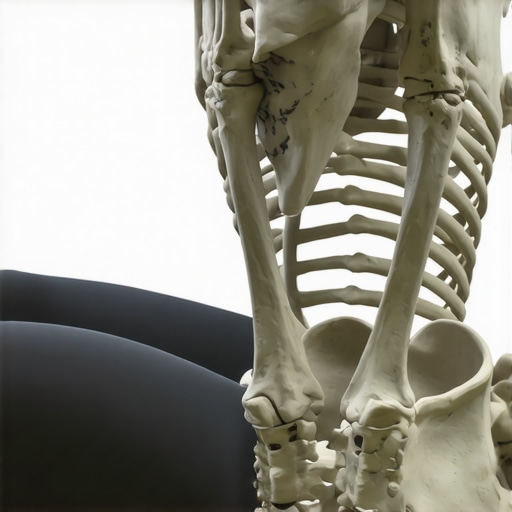
I used to cringe every time I sat cross-legged on the couch. Not because I didn’t love the relaxed vibe, but because, suddenly, a sharp pinch in my hip would catch me off guard, making me awkwardly hop up. It was like my body was trying to tell me, “Hey, something’s not quite right here.” That moment of discomfort became a lightbulb for me. Why was my hip reacting this way? Was I somehow doing damage? Or was it just an age thing?
The Hidden Culprit Behind That Sudden Hip Pinch
After lots of experimenting and consulting with experts, I realized the root cause had less to do with age or joint wear and tear, and more with mobility restrictions and posture habits. The truth is, when you sit cross-legged frequently, certain muscles and ligaments are meant to stretch and contract in harmony. If they don’t, it creates a kind of imbalance that triggers that pinching sensation. Think of it like a rubber band that’s lost some of its elasticity—when you pull it too far or in the wrong direction, it snaps back or gets stuck. This is where repetitive sitting and poor posture come into play, limiting your hip mobility over time.
Early on, I made a mistake most people do—ignoring these subtle signs and pushing through the pain, thinking it was just a temporary annoyance. That only worsened the issue. I wish I had known sooner how essential it is to nurture mobility and correct alignment, which you can learn about in improving mobility strategies. There’s a whole world of simple adjustments and targeted exercises that can prevent and eliminate this nagging discomfort.
Is Your Hip Pinch a Worry Worth?
At first, I was skeptical—my joints had always felt sturdy enough. But research shows that restricted hip mobility is more common than you think, often leading to discomfort during everyday movements (source: The Complete Guide to Mobility and Posture in 2025). If left unaddressed, it can even contribute to longer-term issues like impingement or postural compensation. So, facing this problem isn’t just about comfort—it’s about preventing future pain.
Are you tired of that uncomfortable pinch creeping up every time you sit in your favorite cross-legged position? You’re not alone. And the good news is, with some mindful adjustments, you can restore your hip’s natural range of motion and sit comfortably again. In the next sections, I’ll share practical moves and tips that helped me—and can help you too—to fix the problem at its source.
Targeted Stretching to Unlock Tight Hips
Start with a simple hip flexor stretch. Kneel on your right knee, with your left foot flat in front, knee bent at 90 degrees. Shift your weight forward gently, feeling the stretch in your hip flexors. I remember doing this after a long day, initially wobbling and losing balance, but persistence paid off. Hold for 30 seconds, switch sides, and repeat twice. This move lengthens muscles that often tighten from prolonged sitting, easing pinching sensations.
Mobilize with Controlled Movements
Incorporate hip circles to improve joint lubrication. Stand on one leg, lift the opposite knee slightly, then draw circles with that leg in the air—10 in each direction. Think of your hip joint as a rusty hinge needing gentle movement to loosen. Once, I felt a click when I first tried this, but it quickly disappeared after consistent practice. Regular small movements like this keep your hips flexible and reduce restrictions that cause pinching.
Optimize Posture to Reduce Unnecessary Strain
Adjust your sitting habits. Use lumbar support and keep feet flat on the ground. When I caught myself slouching during work, I immediately corrected my posture. Proper alignment prevents muscles from overstretching or tightening unevenly. For detailed adjustments, check mobility and posture tips. Consistency is key—over time, it retrains your body for better, pain-free sitting experiences.
Incorporate Dynamic Movements Throughout the Day
Break long periods of sitting by walking around or doing gentle leg swings. Swing your leg forward and back for 15 reps each side. This not only increases blood flow but also prevents muscles from becoming stiff. I integrated these into my daily routine during meetings—initially awkward, but I noticed my hips feeling more responsive within a week.
Use Chiropractic Techniques for Lasting Relief
Schedule regular chiropractic adjustments to restore proper joint function. Even once a month can make significant differences in mobility and comfort. I visited a chiropractor specializing in mobility, and the improvements I experienced were noticeable—less stiffness and more ease in movement. Combining adjustments with active routines amplifies results.
Be Patient and Consistent
Visible improvements take time. Consistency trumps intensity—doing these exercises daily yields better results than sporadic effort. Remember, your hips are like a rubber band; with gentle, persistent stretching and movement, they regain their elasticity. I found that tracking progress helped me stay motivated—small wins like improved comfort during sit cross-legged kept me going.Many individuals believe that increasing mobility or undergoing chiropractic adjustments is a quick fix or only necessary when pain becomes unbearable, but this misconception can hinder true progress. Contrary to popular belief, mobility isn’t just about stretching or cracking your joints; it’s a complex interplay of muscular, fascial, and neural factors that require nuanced understanding. For example, some assume that cracking your knuckles or neck is harmless, but frequent improper adjustments can lead to ligament laxity and joint instability, increasing injury risk over time. Instead, targeted mobility exercises combined with gentle, expert-guided adjustments promote long-term stability, a concept supported by recent research indicating that habitual over-reliance on cracking can desensitize joint proprioceptors, leading to decreased stability (source: https://quackersneck.com/the-ultimate-guide-to-improving-mobility-and-posture-in-2025). Additionally, many overlook the importance of posture habits in maintaining spinal health; they focus solely on active interventions like exercises or adjustments but neglect the subtle yet persistent impact of daily postures, such as slouching at desks or crossing legs, which can gradually induce muscular imbalances. Correcting these habits involves more than just awareness; it demands strategic adjustments and consistent reinforcement. A common myth is that chiropractic adjustments should be aggressive or forceful to be effective. However, gentle, specific adjustments performed within a practitioner’s expertise can unlock restrictions safely and sustainably, especially when combined with mobility drills. Going beyond the surface, some practitioners focus excessively on the symptoms rather than the root causes: restricted joint mobility due to fascial tensions or neural restrictions. This oversight can lead to temporary relief but fails to produce lasting improvements. Techniques like nerve gliding or fascial release, integrated into comprehensive care plans, address these deeper layers, resulting in more durable outcomes and preventing recurrence. Are you aware of the subtle nuances that make or break your mobility journey? Properly understanding these advanced factors ensures you’re not falling into common traps and maximizes your results. For deeper insights, check out why your body feels crooked or the importance of hip balance. Remember, real progress comes from a combination of informed practice and patience. Have you ever fallen into this trap? Let me know in the comments.Maintaining your mobility and posture over time requires deliberate effort and the right tools. I’ve found that investing in high-quality foam rollers, like the TriggerPoint GRID Foam Roller, significantly enhances my ability to perform my daily mobility routines—its textured surface helps target fascia tightness effectively. For precise adjustments, I use resistance bands for targeted muscle activation, which not only improve flexibility but also reinforce good movement patterns. These bands are versatile; I incorporate them into routines outlined in mobility exercises that I do every morning to keep my hips loose and spine aligned. Software apps, such as the Pocket Rehab app, provide guided stretches and exercises tailored for postural support, making adherence easier amid busy schedules. Over time, these digital tools help track progress and remind me to stay consistent. Looking ahead, I believe wearable technology will evolve to offer real-time feedback on posture, giving immediate cues to adjust before bad habits set in. This trend will empower individuals to take proactive control of their health rather than waiting for discomfort to appear.
How do I maintain my mobility and posture over time?
The key is consistency—integrating simple, effective tools into your daily routine. Regular use of foam rollers and resistance bands can release fascia, strengthen supportive muscles, and prevent stiffness. Additionally, utilizing posture-tracking apps can provide accountability and personalized feedback, ensuring you stay aligned throughout the day. For a comprehensive approach, consider scheduled chiropractic adjustments that complement your self-care routines—these ensure your joints move smoothly and reinforce the effects of your mobility work. Remember, the goal isn’t just temporary relief but cultivating habits that make your body resilient against the wear and tear of everyday life. Try incorporating a targeted mobility routine with resistance bands today, and watch how your posture improves over weeks.
The Hardest Lessons I Learned About mobility, chiropractic, posture, adjustments
One of my most profound realizations was that sustained change demands patience and consistency. I used to seek quick fixes, but true progress came only when I embraced gradual routines and trusted the process, understanding that my body needed time to adapt and heal.
3 Myths About mobility, chiropractic, posture, adjustments That Held Me Back
I believed that popping my joints aggressively was necessary for relief, but I discovered gentle, targeted adjustments are far safer and more effective. Additionally, I thought posture correction was solely about standing straight — now I know it’s about creating harmonious movement patterns and muscular balance that support the spine naturally.
What Experts Won’t Tell You About mobility, chiropractic, posture, adjustments
Many overlook the importance of fascial health and neural pathways in mobility. Addressing superficial symptoms without considering these deeper layers can lead to temporary relief but rarely results in lasting improvements. Integrating fascial release and nerve gliding exercises can unlock true mobility potential, as I learned through professional guidance.
My Essential Toolkit for Mobility and Posture
I rely on high-quality foam rollers like the TriggerPoint GRID Foam Roller to release fascia discomfort. Resistance bands help reinforce good movement habits and increase flexibility. Digital tools like the Pocket Rehab app offer personalized routines that keep me accountable. These resources are trustworthy because they’ve proven effective in my daily routine, enabling long-term posture health.
Where to Go from Here
Start small today: incorporate gentle mobility exercises, improve your sitting habits, and consider periodic chiropractic check-ups. The journey to pain-free, effortless movement is ongoing but immensely rewarding. Remember, toward better posture and mobility, every step counts — and the best time to begin is now.
Your Turn to Try
Are you ready to challenge your existing beliefs about mobility and posture? What small change will you commit to today to begin this transformative journey? Share your thoughts below and join a community striving for healthier movement every day.
,