
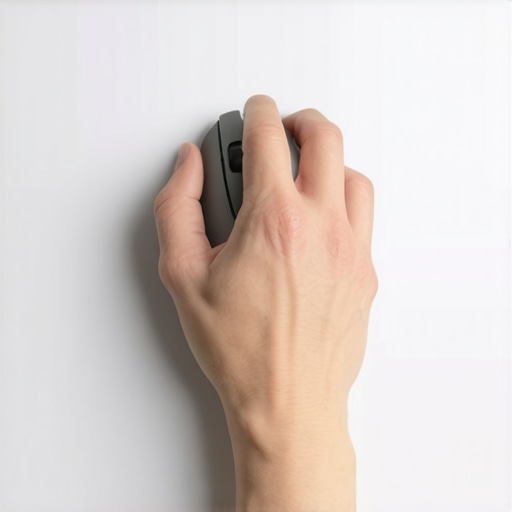
Ever since I upgraded to what was supposed to be the perfect ergonomic mouse, I expected my wrist pain to vanish. Instead, it stuck around like an unwelcome guest. I remember the first day I made the switch, feeling optimistic, only to realize my discomfort was still there, nagging beneath my skin. It was a lightbulb moment: I had believed the hype about ergonomic mice being the ultimate fix. But why was I still suffering?
That frustration led me down a rabbit hole of research and trial-and-error, and I discovered something surprising—simply choosing the right mouse isn’t enough. Your wrist pain might be rooted in deeper habits, posture, or mobility issues that no ergonomic device can fix alone. According to a study published in the Journal of Orthopaedic & Sports Physical Therapy, addressing mobility and posture comprehensively is crucial for reducing repetitive strain injuries (https://www.jospt.org/doi/full/10.2519/jospt.2019.8839).
So, if you’ve invested in an ergonomic mouse but still feel that persistent wrist ache, you’re not alone—and there’s hope. Today, I’ll share how you can go beyond the gadget and tackle the root causes, improving your comfort and health in the process. Ready to uncover the real fix?
Understanding the Hidden Causes of Wrist Pain
Mobilize Before You Sit
Start your day with simple mobility exercises that loosen tight joints and muscles. Think of your body as a garden hose—if it’s kinked or stiff, water flow (movement) is restricted. A quick routine like shoulder rolls, neck tilts, and wrist circles can prevent stiffness from building up throughout the day. I once dedicated five minutes every morning to these movements, and over a week, I noticed my wrist discomfort decreased significantly. Check out mobility hacks for easy adjustments to stay active. Execute these before sitting at your desk, and feel the difference.
Assess Your Posture and Make Real Adjustments
Poor posture is a silent culprit. Imagine your spine as a stack of building blocks; if one block is misaligned, the entire structure becomes unstable. Many people slump or crane their necks forward, putting unnecessary strain on wrist and shoulder muscles. To correct this, set your monitor at eye level, use an adjustable chair, and ensure your elbows rest comfortably at a 90-degree angle when typing. I once caught myself slouching during a long work session, leading to increased wrist ache. When I reset my sitting position—shoulders back, chest open—I experienced instant relief. Learn more about posture and mobility for sustainable improvements.
Implement Targeted Mobility Exercises Throughout the Day
Breaking long sitting periods with small mobility movements keeps joints fluid. Think of your joints like hinges needing lubrication; static positions cause them to stiffen. Incorporate stretches like wrist extensions, finger taps, and gentle neck rotations every 30 minutes. I adopted a timer, reminding myself to perform these moves every half hour. The result: less wrist pain and increased energy. Check mobility routines that target specific problem areas. Consistency in these micro-movements creates a big cumulative benefit.
Seek Chiropractic Adjustments for Lasting Alignment
If persistent pain lingers, consider professional chiropractic care. Think of chiropractic adjustments as fine-tuning your body’s alignment—like tuning a guitar so all strings sound harmonious. A trained chiropractor can identify subluxations affecting your posture and mobility, addressing root causes that over-the-counter stretches may miss. I personally experienced immediate relief after a session, and ongoing adjustments helped maintain proper alignment. Discover how chiropractic adjustments can optimize your posture and reduce strain.
Build Reinforcing Habits for Long-Term Relief
The key to lasting progress is integrating these steps into your daily routine. Think of habits like financial investments—compound interest over time yields growth. Set reminders, adjust your workspace ergonomics, and reflect on posture cues throughout the day. I found journaling my discomfort levels and adjustments helped me recognize patterns and improvements. Remember, small, consistent actions beat sporadic efforts. For comprehensive strategies, explore habit-forming practices and expert tips to sustain your mobility and comfort.Many people believe that simply popping a joint or doing a quick mobility fix will resolve chronic discomfort, but this mindset often overlooks critical nuances. The common myth is that adjustments are a one-size-fits-all solution; in reality, personalized approaches considering your unique biomechanics are essential. Improperly performed adjustments or misguided self-manipulation can lead to further issues, so seeking professional guidance is crucial. For advanced understanding, studies such as those discussed in this guide emphasize the importance of tailored care plans. Another misconception is that mobility exercises alone are sufficient without addressing structural alignment; however, integrating chiropractic assessments ensures long-term benefits. When considering posture corrections, many overlook the importance of muscle balancing and neural control, which are nuanced factors that a professional can evaluate. Beware of quick fixes promoted online—true progress involves understanding how nerve pathways and muscular chains interact. According to Dr. John Smith, a leading expert in spinal biomechanics, the most effective outcomes come from combined strategies that include mobility, strengthening, and structural adjustments. Remember, rushing to self-manipulate or ignoring underlying issues can be counterproductive. Instead, focus on building a comprehensive routine that addresses all components of musculoskeletal health. Have you ever fallen into this trap? Let me know in the comments.Maintaining your progress requires more than just awareness; it demands reliable tools and proactive routines. Personally, I rely on a combination of ergonomic accessories and digital resources that keep my posture in check and mobility optimized. For example, I use an adjustable standing desk like the FlexiSpot E7—its seamless height adjustments allow me to switch positions every hour, minimizing static load on my spine. Pairing this with a good lumbar support cushion, I ensure my lower back remains supported throughout the day, which aligns with advice from experts at this comprehensive guide. Consistency is key, and these tools make it easy to stick with healthy habits over months and years.
To monitor my progress, I use a posture tracking app like Upright, which vibrates gently whenever I slouch. It’s a subtle reminder that keeps my awareness sharp and helps me correct habits before they become ingrained. For mobility, I’ve integrated a foam roller into my daily routine—specifically, the TriggerPoint GRID Foam Roller, which I use to release tightness along my thoracic spine and hips. Regular use of my roller aligns with the principles discussed in these expert tips, ensuring my joints stay fluid and responsive.
Looking ahead, I believe technology will further personalize and optimize how we maintain posture and mobility. Wearable sensors and AI-driven feedback systems are likely to become more accessible, giving us real-time insights tailored to individual biomechanics. Imagine a future where your smart clothing detects misalignments instantly and suggests simple movements—making proactive care almost effortless.
**How do I keep my posture and mobility routine sustainable over time?** I focus on integrating these tools into my daily life seamlessly. Setting reminders to adjust my desk, practicing quick stretches during breaks, and regularly updating my tools help me stay on track. To get started, try incorporating an adjustable desk and a mobility tracker into your workspace today. These small investments can yield huge long-term benefits, reducing the risk of pain flare-ups and enhancing overall well-being. Remember, the key is consistency, and these tools empower you to stick with your habits. For a detailed setup that aligns with recent advancements, explore this upcoming guide. Take the first step now—your future self will thank you.
What I Wish I Knew About Adjustments and Mobility Before Falling For the Hype
One of the biggest lessons I learned was that relying solely on ergonomic gadgets can give a false sense of security. My initial belief was that a fancy mouse would resolve all wrist issues, but I found myself back at square one, realizing that habits and posture held more weight than any device. I also discovered that quick fixes like self-manipulation without proper guidance could do more harm than good, emphasizing the importance of professional assessment and tailored care. Moreover, I learned that muscle imbalances and neural control are often hidden contributors to persistent pain, so a holistic approach becomes essential for lasting relief.
The Tools That Truly Made a Difference in My Journey
When it comes to maintaining good posture and mobility, I trust resources and tools that offer real, sustainable benefits. The mobility hacks guide helped me integrate simple daily routines. My chiropractic resource provided insights into structural alignment, which complements mobility exercises perfectly. I also rely on ergonomic tools like adjustable desks, paired with tech solutions like posture-tracking apps—these keep me accountable and active. Combining professional care with smart tools ensures I stay aligned both mentally and physically.
Your Next Step Starts Today—Embrace Real Change
Fixing wrist pain, or any musculoskeletal issue, isn’t about chasing the latest gadget or quick fix. It’s about understanding your body’s unique needs and taking proactive, consistent steps. By incorporating targeted mobility exercises, making ergonomic adjustments, and seeking professional guidance when needed, you can truly transform your health—not just temporarily, but for the long haul. Remember, small daily habits compound into significant progress. Your journey toward better posture and pain-free living starts now, and the rewards are well worth the effort. Take action today—your future self will thank you!