
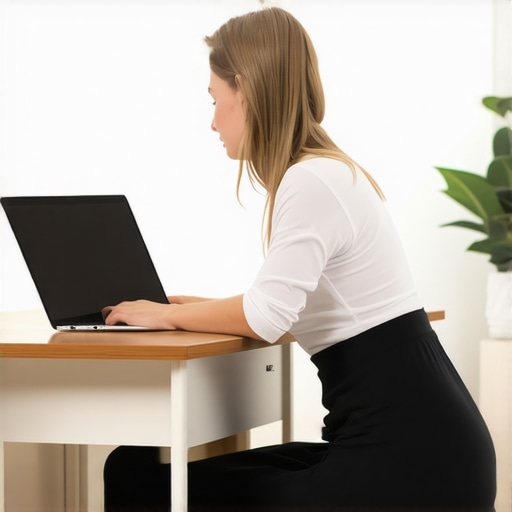
Today, I had that lightbulb moment. I was hunched over my laptop, elbows sore, neck aching, and I realized—I’ve been neglecting one crucial thing: **my own mobility and posture**. For years, I thought stretching was enough, but the truth is, without targeted exercises, my body was gradually giving in. If you’ve ever felt that initial twinge of stiffness or that creeping sensation of your spine becoming less flexible, you’re not alone. Many desk warriors like us are silently suffering, thinking it’s just part of the job. But here’s the deal: **there’s a simple, effective exercise I swear by, and it can dramatically change your work routine.**
Why Sitting All Day Drains Your Body (And What to Do About It)
Working on a laptop might seem harmless, but it can turn into a trap. Your muscles forget how to move properly, joints stiffen up, and before you know it, something hurts—sometimes in a way that lingers for days. I used to ignore the warning signs, telling myself, “It’s just tension,” but that neglect led to more persistent discomfort. Then I made a mistake early on: I thought I could fix it with more stretching or fancy ergonomic chairs. Spoiler alert—those help, but they’re not enough. Incorporating **mobility exercises** has been a game-changer.
Actually, research shows that just 10 minutes of targeted movement a day can significantly reduce discomfort and improve posture (source: [The Link Between Mobility and Posture](https://quackersneck.com/the-link-between-mobility-and-posture-a-chiropractors-guide)). These exercises aren’t about intense gym routines; they’re about addressing **your body’s natural ability to move freely**—the foundation of good posture.
If you’ve ever felt that stiff, glued-together sensation after hours at your desk, keep reading. We’ll explore simple moves that can be done right there at your workstation, helping you stay mobile, pain-free, and maybe even a bit more energized during those long workdays.
Now, before we jump into the nuts and bolts, let me ask—have you ever experienced that sudden, sharp pain after sitting too long, or do you feel like your posture just collapses by mid-afternoon? If so, you’re in the right place. Let’s get moving.
Start with Gentle Shoulder Rolls
Begin your mobility routine by rolling your shoulders backward and forward in smooth, controlled motions for 30 seconds. This helps loosen up tight muscles and prepares your upper body for more targeted exercises. I remember during my first attempt, I looked a bit awkward doing it at my desk, but after a week, I noticed a significant reduction in shoulder stiffness, and my posture improved noticeably.
Incorporate Spinal Twists
Sit upright in your chair, place your right hand on the back of the chair, and gently twist your torso to the right, holding for 15 seconds. Switch sides. This movement gently mobilizes your thoracic spine, which often becomes stiff from prolonged sitting. I found that doing this several times a day helped prevent that ‘locked-up’ feeling in my upper back later in the day.
Implement Hip Flexor Openers
Stand up and take a step forward into a lunge position, lowering your hips until you feel a stretch in the front of your hip. Hold for 20 seconds and switch sides. Think of this as loosening the hinges of your pelvis, which often become tight from sitting. Once, I got lazy and skipped this step; by afternoon, my lower back was throbbing. Since then, regular hip stretches have been a game changer.
Practice the Nerve Glide Routine
This involves gently moving your limbs to mobilize the nerves that run through your limbs, reducing tingling and improving overall nerve health. For example, extend your arm out and gently bend and straighten your wrist and fingers. Over time, I noticed my fingers felt less numb after long hours at the keyboard. Want to dive deeper? Check out this nerve glide routine guide.
Schedule Regular Micro-Movements
Set alarms every 30 minutes to remind yourself to stand or stretch briefly. Even a quick neck tilt or a chest opener can prevent stiffness from becoming chronic. I started logging these micro-movements, and within a week, my overall discomfort decreased. This practice keeps your body’s resilience high and reduces the risk of long-term postural issues.
Focus on Your Breath and Relaxation
Deep breathing activates your parasympathetic nervous system, helping reduce muscle tension. During breaks, take 3 deep breaths, inhaling through your nose and exhaling slowly. I find that this not only relaxes my neck and shoulders but also boosts my focus. Want to understand more about how breathing affects posture? Visit this article for insights.
While many believe that chiropractic care is solely about cracking bones or quick fixes, the reality is far more nuanced. A common misconception is that once your pain disappears after an adjustment, your posture is permanently corrected. In truth, chiropractic adjustments are part of an ongoing process—they unlock your spinal potential but require consistent mobility work to sustain results. Relying solely on adjustments without addressing underlying habits can lead to a frustrating cycle of temporary relief. As emphasized in expert insights, true posture improvement involves integrating targeted mobility routines with professional care ([Learn how chiropractic enhances mobility](https://quackersneck.com/how-chiropractic-adjustments-enhance-posture-and-mobility)).Maintaining the improvements in your posture and mobility requires not just consistency but also using the right tools and methods. Investing in quality equipment and adopting effective routines can make a significant difference in your long-term health and pain prevention. One tool I personally swear by is the **Foam Roller**. It helps release muscle tightness, particularly in the thoracic spine and hips, which are critical areas for supporting good posture. I recommend the **Trigger Point Foam Roller**, which offers firm yet forgiving surface texture, enabling my muscles to relax thoroughly after a long day. Regular use of the foam roller, combined with targeted mobility exercises, has extended the benefits of chiropractic adjustments and prevented regressions.
How do I maintain mobility over time?
Another game-changing tool is the **Resistance Band**. It allows me to perform controlled strengthening and stretching routines that enhance stability and flexibility. For example, I incorporate banded shoulder retractions and hip abductions into my daily warm-up, which have helped me avoid the common slump and tightness that can creep in from prolonged sitting. These exercises are simple enough to do at home or in the office, making consistency easier. Additionally, I leverage **Mobility Apps** such as the *MobilityWOD* app, which provides customizable routines based on my specific needs. These digital resources help me design effective daily routines and track progress, ensuring I stay committed. Looking ahead, I predict that wearable tech, like smart posture sensors and motion trackers, will play an increasingly vital role. These devices can provide real-time feedback, alerting you whenever you’re slumping or losing proper alignment, which helps in making instant corrections and reinforcing good habits. As recommended in expert resources, integrating technology with manual routines ensures comprehensive care ([Learn more about how chiropractic care can be complemented with tech tools](https://quackersneck.com/why-chiropractic-care-is-your-secret-weapon-for-better-posture)). To truly maximize these tools, I suggest trying out the **banded shoulder retraction** exercise today. It’s a quick addition to your routine that pays long-term dividends. Incorporating both manual adjustments and these practical tools ensures your progress continues while reducing the risk of injury or regression. For more detailed strategies, explore the full scope of their benefits in our related articles or reach out via our [contact page](https://quackersneck.com/contact-us-2). Remember, the key to sustaining your improvements is consistency and embracing the right technology and tools.
What My Hard-Earned Secrets Reveal About Lasting Mobility
Over the years, I learned that quick fixes and generic advice can’t replace personalized, consistent movement. The hardest lesson was realizing that integrating mobility into everyday life is a journey, not a one-time fix. I used to believe that chiropractic adjustments alone could resolve my posture issues, but I discovered that without ongoing self-care routines, improvements fade. This realization pushed me to develop habits that truly stick, like micro-movements and targeted stretches, which have transformed my body over time.
Building a Toolbox That Truly Works for Posture and Mobility
From my experience, the secret is having the right tools at your fingertips. I trust the Ultimate Guide to Improving Mobility and Posture, which offers practical routines suited for busy schedules. I also incorporate the Mobility Hacks for a More Active Life program, which helps me stay consistent. Tools like foam rollers and resistance bands have been game-changers because they empower me to maintain gains between visits to the chiropractor and prevent regressions.
Finding Joy in Small Movements and Consistent Progress
The most inspiring realization is that sustainable improvement comes from small, daily actions. Celebrating each micro-move, like a simple shoulder roll or a quick spinal twist, keeps motivation high. These habits not only prevent pain but also boost your confidence in managing your posture. Remember, progress isn’t about perfection but persistence. Embedding mobility routines into your daily life creates a ripple effect—your body begins to thank you, and you regain that sense of freedom in movement. Are you ready to make a small move today that could change your posture for good? Share your first step below and let’s support each other on this journey.