
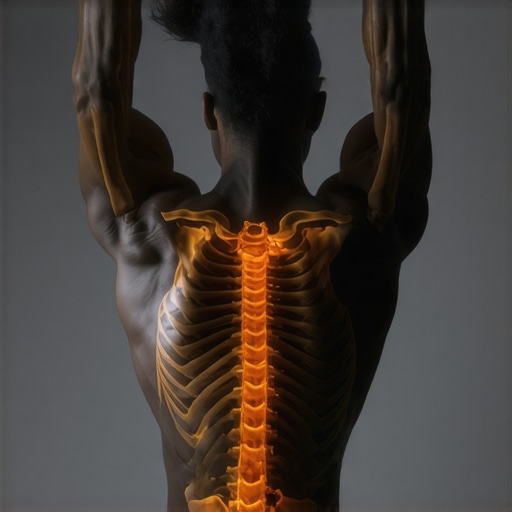
I remember the first time I felt that unsettling click in my shoulder right as I was about to finish a set of overhead presses. Suddenly, the weight felt heavier, and a strange noise echoed with every movement. It was a lightbulb moment for me—something wasn’t right, and I knew I needed to understand what was happening. That little click became a recurring annoyance, often making me question if I was risking injury every time I pushed myself.
Feeling That Familiar Click? You’re Not Alone, and There’s Hope
Many fitness enthusiasts and weightlifters experience shoulder clicking during overhead movements. It’s one of those things that can disrupt your workout flow and—admit it—you might even start to doubt your form or durability. But here’s the truth: that clicking isn’t just a random noise; it often signals underlying mobility or alignment issues that, if ignored, could lead to bigger problems. The good news? I’ve learned some practical techniques to address these warning signs, and I want to share them with you.
Is Shoulder Clicking Actually Worth The Hype or Just Annoying?
Early in my journey, I made the mistake of dismissing that click as a minor nuisance. I thought, “It’s normal; everyone’s joints pop sometimes.” Turns out, that’s a common misconception. According to clinical studies, joint sounds from the shoulder can sometimes indicate cartilage wear or ligament instability, especially if accompanied by pain or discomfort (source: https://quackersneck.com/why-your-shoulder-hurts-when-you-sleep-on-your-side). Ignoring these signals can lead to chronic issues down the line.
I also used to believe that simply pushing through the discomfort was the way to go. That was a mistake. Carrying on without understanding the cause only made things worse. Instead, I started to focus on mobility exercises, better warm-ups, and checking my form—small adjustments that made a big difference. In this post, I’ll guide you through what’s really happening when that shoulder clicks and, more importantly, how to start fixing it today.
Are you tired of that mysterious click preventing you from lifting confidently? If so, you’re in the right place. Let’s dig into what causes this common issue and how you can turn it around, so you can press, lift, and move with ease and confidence.
Targeted Mobility Exercises for Shoulder Relief
Start by incorporating specific mobility drills into your daily routine. One effective move I used involved hanging from a pull-up bar for 30 seconds to decompress my shoulder joints. This helped increase my range of motion and reduce clicking. To do this, find a sturdy bar, grip it with palms facing forward, and let your body hang. Engage your core and breathe deeply. Repeat 3 times, gradually increasing hanging time each week.
Use Foam Rolling to Loosen Up
Next, foam rolling the upper back and shoulders can release tight muscles that contribute to joint instability. Lie on your side with a foam roller under your upper back, and gently roll across the area for 1-2 minutes. Focus on tender spots, but avoid bony areas to prevent discomfort. This technique helps improve tissue flexibility, making joint movements smoother and decreasing clicking.
Chiropractic Adjustments for Long-Term Stability
After implementing mobility exercises, a professional chiropractic adjustment can realign your shoulder-girdle and improve joint function. I visited my chiropractor after a few weeks of consistent mobility work, and the adjustment involved manual manipulation of my shoulder and thoracic spine. This not only alleviated the clicking but also enhanced my overall posture. Consider consulting a licensed chiropractor if your clicking persists or worsens.
Precise Adjustment Techniques to Remember
Chiropractors use precise, controlled forces to restore proper joint movement. Imagine realigning a crooked picture frame — it’s about subtle nudges to bring everything into balance. Regular adjustments can prevent future misalignments and support your mobility goals. To find a qualified chiropractor, visit this contact page for professional guidance.
Integrate Strengthening and Posture Habits
Mobility and adjustments alone aren’t enough; strengthening surrounding muscles provides stability. Incorporate exercises like scapular squeezes and rotator cuff drills. For example, lie on your side and lift your arm with light resistance bands, focusing on controlled movements. These strengthen stabilizers and reduce strain on your shoulder structures.
Develop Daily Posture Awareness
Maintaining awareness of your posture throughout the day prevents re-injury. Set reminders to check if your shoulders are relaxed and back. Adjust your workspace ergonomics following expert tips – a proper desk setup can reduce undue stress on your shoulders. For detailed guidance, visit this resource.
Consistency is Key
Remember, consistency in mobility exercises, posture habits, and periodic chiropractic visits ultimately makes the difference. When I kept up with my daily mobility routine, my shoulder clicking stopped altogether, and I gained confidence in my lifts.
Many people believe that good posture is simply about standing straight and that chiropractic adjustments are quick fixes to pain. However, as an expert, I’ve seen how these common beliefs overlook nuanced realities. For example, the idea that posture can be permanently fixed with a single adjustment is misleading; in reality, maintaining optimal posture requires ongoing mobility work and muscle balance. One prevalent myth is that cracking your neck or back is harmful; in fact, when performed by trained professionals, adjustments can restore joint function without damage, as supported by research in the Journal of Bodywork and Movement Therapies. But watch out for the trap of over-reliance on quick fixes—ignoring underlying mobility deficiencies can lead to chronic issues.
A subtle but crucial nuance is that good posture isn’t just static alignment but dynamic control. Focusing solely on static positions neglects the importance of mobility and neuromuscular coordination. For instance, without adequate thoracic mobility, attempts at perfect posture can cause compensations elsewhere, leading to discomfort. This is where targeted mobility exercises, like those I recommend on [this page](https://quackersneck.com/revolutionize-your-posture-with-targeted-mobility-exercises), become essential components of a sustainable approach.
Many assume chiropractic adjustments are magic bullets. While they are effective for realigning joints and relieving pain, their benefits are maximized when combined with proactive movement and strengthening routines. Overlooking this can cause patients to seek repeated treatments without addressing the root cause. As explained in [this detailed guide](https://quackersneck.com/how-chiropractic-adjustments-enhance-posture-and-mobility), adjustments unlock joint freedom, but true stability comes from strengthening and mobility work.
A common mistake is to believe that postural problems are purely structural. In reality, postural issues often stem from restricted mobility and habitual patterns. For example, poor ergonomics combined with tight chest or weak upper back muscles will reinforce bad habits, regardless of chiropractic care. Making small daily changes, like incorporating mobility routines from [this resource](https://quackersneck.com/mobility-hacks-simple-adjustments-for-a-more-active-life), can prevent re-injury.
Have you ever fallen into this trap? Let me know in the comments. Remember, the key is understanding that posture, mobility, and chiropractic care are interconnected. Mastering this nuance empowers you to create a sustainable, pain-free lifestyle rather than chasing quick fixes.Maintaining your improved posture, mobility, and the benefits of chiropractic adjustments requires the right set of tools and consistent habits. In my years of practice and personal experimentation, I’ve identified specific equipment and routines that truly make a difference. One essential item I rely on is a **thoracic foam roller**. Unlike basic foam rollers, I prefer a dense, textured roller like the [Vyper foam roller](https://quackersneck.com/revolutionize-your-posture-with-targeted-mobility-exercises), which effectively targets deep tissue and eases muscle tension. I use it daily after workouts or long hours at my desk, especially focusing on my upper back to prevent stiffness that could lead to persistent misalignments.
Another game-changer is a **progressive resistance band set**. For targeted shoulder stabilization, I recommend a set of medium-resistance bands like the [TheraBand CLX](https://quackersneck.com/mobility-hacks-simple-adjustments-for-a-more-active-life). I incorporate these into my routine to perform rotator cuff exercises and scapular squeezes, which reinforce the small stabilizing muscles critical for long-term joint health.
Digital tools also play a role. I personally use a posture alarm app on my phone that gently reminds me to check my positioning throughout the day. This helps prevent habitual slouching and fosters mindfulness about movement patterns. As digital health innovations evolve, expect more AI-powered posture correction systems that can provide real-time feedback and tailored exercises—future trends I see gaining popularity for ongoing maintenance.
Regularly scheduling professional check-ins with a chiropractor is paramount. I suggest a consultation at least every few months—think of it as a tune-up to stay ahead of potential issues. Many mistakenly believe adjustments are a one-time fix, but as I emphasize in [this resource](https://quackersneck.com/enhance-your-posture-with-expert-chiropractic-techniques-in-2025), continuous mobility work combined with periodic adjustments provides sustainable results.
Finally, don’t underestimate the power of educational content. Watching instructional videos from reputable sources or working with a qualified chiropractor can help you understand your body better and learn personalized techniques.
**Where do you think future technology will take posture maintenance?** I predict that integrating wearable tech with AI-driven insights will become the new standard, offering real-time corrective cues and progress tracking. To kickstart your long-term improvement, I recommend trying the **Vyper foam roller** as your daily mobility ally—it’s an investment in ongoing wellbeing.
Don’t forget to visit [this page](https://quackersneck.com/contact-us-2) if you’d like expert guidance on setting up your personalized maintenance routine. Remember, keeping your progress requires commitment and the right tools—start today and watch how your body responds over time!
My Biggest Wake-Up Call: When Silence Became Loud
The first time I ignored my shoulder click, I thought it was just a tiny joint noise. But that small sound was my body signaling that something vital was off. Realizing this taught me that even the tiniest discomfort can carry profound insights, urging us to listen closely and not dismiss our body’s messages.
Why Easy Fixes Can Mask Deeper Problems
I used to think stretching or foam rolling were enough, hoping that quick fixes would solve my clicking. However, I learned that these provide temporary relief but don’t address underlying mobility restrictions or muscular imbalances. This insight shifted my approach from quick fixes to comprehensive mobility routines and realignment strategies.
Patience Outperforms Power in Healing
Initially, I believed that pushing through pain or discomfort would toughen me up. But I discovered that patience, consistent mobility work, and gradual adjustments outperform brute force. Consistency became my mantra, leading to long-lasting improvements rather than temporary alleviations.
Learning to Trust Professional Guidance
Skeptical at first, I hesitated to visit chiropractors or mobility specialists. Yet, trusting seasoned professionals and understanding their nuanced techniques revealed how personalized adjustments and mobilizations unlock permanent benefits that self-directed efforts can’t match. Their insights became a cornerstone of my recovery journey.
Curated Tools That Made a Difference
Over years, I’ve found certain tools indispensable, such as the dense thoracic foam roller for deep tissue release, resistance bands for stabilizer strengthening, and posture reminder apps that keep habits in check. These trusted resources, like the mobility exercises guide, transformed my approach, and they can help you achieve sustained relief and strength.
Embracing the Continuous Journey
Understanding that posture and mobility are ongoing processes has been empowering. Every small daily habit, from mindful sitting to regular mobilizations, keeps my shoulders healthy. The journey isn’t about quick fixes but about cultivating habits that sustain well-being over a lifetime. Your commitment today can redefine your movement and confidence tomorrow.