
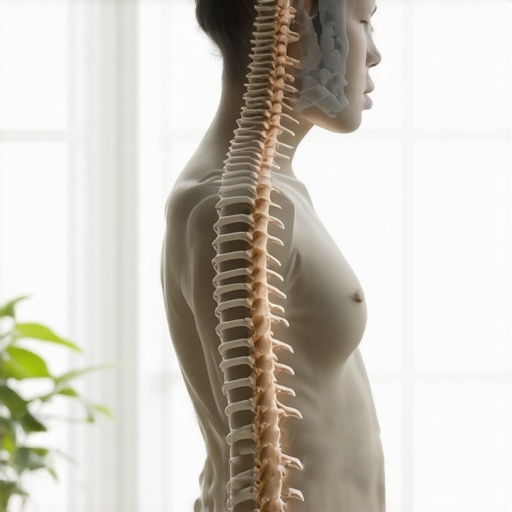
Ever had that sudden jolt when you feel a sneeze coming on and your back just …tenses up? I remember one particular morning when I was hurriedly grabbing my coffee, and a rogue sneeze caught me off guard. Before I knew it, I was doubled over, feeling that sharp sting in my lower back. It was a lightbulb moment—realizing that sneezing isn’t just a simple reflex; it can pose a real risk if your spine isn’t prepared.
The Moment You Feel It Coming, Here’s What I Learned
That unexpected surge of energy in your chest and nose can trigger a sudden, jarring movement in your spine. If you’re not bracing properly—think of it as a quick protector mechanism—you might end up with a strained muscle or worse, a slipped disc. Over the years, I’ve seen this happen to many—myself included—when we forget the importance of pre-sneeze mindfulness. Today, I want to share proven strategies that help you brace your spine effectively before sneezing, so you can prevent injury and keep moving comfortably.
Is Bracing Your Spine Before Sneezing Really Necessary?
Initially, I thought sneezing was just an involuntary reflex—nothing to worry about. But I made the mistake early on of dismissing this, assuming my body would handle it naturally. That misconception nearly cost me a trip to the chiropractor. Modern research supports the idea that proper spinal bracing can significantly reduce the risk of injury during sudden movements. It’s not just a myth; it’s a practical approach to safeguarding your spine in those unexpected moments. If you’ve ever felt that sudden snap or ache after an intense sneeze, you’re not alone. So, are you ready to learn how to brace effectively? Stick around, because what’s coming next could save you from discomfort and downtime.
If you’re curious about how mobility and posture influence sneezing-related injuries, check out this insightful article on the connection between mobility and posture. Understanding this link can transform how you approach sudden movements and protect your spine longer-term.
Without further ado, let’s dive into practical tips and expert techniques to keep your back safe when sneeze strikes unexpectedly.
.
Engage Your Core Rapidly
When you sense a sneeze approaching, the first step is to activate your core muscles. Think of your core as a natural corset; tightening it solidifies your spinal column and prevents unexpected movement. Quickly contract your abdominal muscles as if preparing for a gentle punch—this doesn’t mean holding your breath but intentionally bracing, which creates stability. I remember during a cold last winter, I felt a sneezing fit coming on during a meeting. Instead of reacting reflexively, I consciously tightened my abdomen, and the sudden sneeze was less jarring, avoiding that sharp back twist.
Practice quick core activation techniques
Try the ‘brace and hold’ method: take a deep breath, then tighten your abdominal muscles as if preparing to be punched in the stomach. Hold this contraction for 3-5 seconds, then relax. Repeating this a few times before sneezing can help prime your spine for sudden movements. This method is akin to tightening a wire cage around your vertebrae, providing a firm shield during those involuntary reactions.
Position Your Body Strategically
Adjust your posture to minimize strain. If possible, sit upright with your feet flat on the ground and back supported. If standing, keep your knees slightly bent and distribute your weight evenly. This positioning acts like a sturdy base—much like the foundation of a building—so that any sudden force from a sneeze is absorbed safely. During a recent outdoor walk, I felt a sneeze coming while I was strolling. I relaxed my knees and straightened my spine, which helped disperse the force, reducing the risk of a strain.
Use specific postural cues
Imagine your spine as a stack of blocks; keep it tall and aligned. Engage core muscles and slightly tuck your chin to keep your head in line. Think of this as setting your body’s foundation—similar to stabilizing a camera on a tripod, preventing shaky movements during rapid reactions.
Strengthen Your Supporting Muscles
Regularly training muscles that support your spine enhances your default stability. Focus on exercises that strengthen your back, hips, and abdominal muscles. A well-balanced muscular support system is like a well-wired suspension bridge—flexible yet sturdy enough to handle sudden shocks. I incorporated targeted mobility exercises from this resource into my routine, and over time, I noticed I was less reactive to sudden sneezes, with my back feeling more resilient.
Incorporate mobility routines into daily life
Daily mobility drills, such as gentle spine rotations and hip openers, improve your body’s ability to handle abrupt movements. Think of these exercises as tuning a musical instrument—regular adjustments keep everything in harmony, reducing the risk of injury when surprises happen.
Prepare Mentally and Physically
Be aware of triggers like allergies or cold symptoms that can increase sneeze frequency. Stay hydrated and maintain a healthy posture throughout the day. When you feel those early signs of a sneezing fit, immediately engage your core and adjust your position as practiced. Remember, the key is quick reflexes grounded in proper muscle engagement—like a ninja reacting in split seconds to avoid a blow.
By integrating these techniques—rapid core activation, strategic positioning, strong supporting muscles, and mindful awareness—you can significantly reduce the risk of back injury during sneezes. Practice these steps regularly, and they will soon become instinctive, turning a daunting reflex into a safety mechanism.Many believe that cracking knuckles or receiving a quick chiropractic adjustment automatically guarantees better posture and pain relief. However, this oversimplifies complex biomechanical interactions and can lead to misconceptions. For instance, some assume that frequent adjustments will permanently fix postural issues, but in reality, without addressing underlying mobility deficits and muscle imbalances, these adjustments may only provide temporary relief. A common trap is thinking that adjustment alone is enough, ignoring that true improvement requires a comprehensive approach including targeted mobility exercises and strengthening routines. Advanced practitioners understand that manipulating joints without correcting movement patterns can inadvertently reinforce faulty habits, leading to reliance on adjustments rather than sustainable results. Research from a 2025 study highlights that sustained posture correction depends heavily on mobility and neuromuscular control rather than adjustments alone, emphasizing the importance of proactive movement strategies. An often-missed nuance is recognizing that some postural ‘misalignments’ are adaptations to underlying dysfunctions; blindly pushing joints back into ‘normal’ positions can disrupt natural compensation mechanisms and cause more harm. When patients focus solely on adjustments or chiropractor visits without integrating mobility work, they risk developing a cycle of dependency rather than true resilience. To deepen your understanding, explore authoritative guidance on how mobility directly influences posture and overall function, such as this resource on mobility and posture. Remember, real progress is about restoring balanced movement patterns, not just joint repositioning. Be cautious of shortcuts—permanent change springs from consistent effort in controlled mobility and strengthening exercises. The important takeaway: embracing a holistic view that connects adjustments with functional mobility is crucial for sustainable improvements. Do you tend to rely solely on chiropractic sessions? Let me know in the comments!
Keeping It Working: Tools I Recommend for Long-Term Posture and Mobility
Maintaining your posture and mobility over time is an ongoing journey that benefits from the right equipment and consistent routines. One of my favorite tools is a high-quality foam roller, such as the TriggerPoint GRID, which I use daily to release tension in my back and hips. This roller helps break up fascia restrictions and promote better circulation, making my mobility exercises more effective. Additionally, I swear by resistance bands like theTheraBand, which I incorporate into my warm-up routines to strengthen supporting muscles. These bands provide adjustable resistance, enabling me to tailor my workouts for mobility and stability.
For digital support, I rely on mobility tracking apps like MobilityWOD or TrainToo, which help me monitor progress and remind me to stay consistent. These tools track mobility improvements and suggest targeted stretches, essential for preventing regressions, especially as I scale my routines. Regularly reviewing my progress keeps me motivated and allows me to adjust my routine based on progress reports, demonstrating the importance of maintenance in long-term health.
As I look to the future, I envision integration of AI-driven biofeedback systems that can analyze my posture and suggest real-time adjustments. It’s an exciting trend that will personalize mobility routines even further, making maintenance more precise and effective. Staying ahead of the curve means embracing these advancements now and integrating them into your daily habit.
How do I maintain my posture and mobility routines over time?
The key is consistency coupled with smart management of your tools. Schedule regular sessions with your foam roller and resistance bands, and keep your tracking apps updated to evaluate your improvements. Periodically revisit comprehensive guides like this resource that synthesizes best practices. Don’t forget to listen to your body’s signals; if you notice setbacks, revisit your routine and make gradual adjustments. Remember, long-term results hinge on proactive maintenance—not just quick fixes. For instance, integrating targeted mobility exercises from this guide can make a world of difference.
Take your routine a step further by implementing a regular self-assessment. Use simple tests like the wall angel or seated spinal twist to gauge your progress. And don’t hesitate to seek professional advice when needed. Overlay your physical tools with educational resources—like this ultimate guide—to keep your strategies cutting-edge. Experimenting with these methods will empower you to maintain optimal mobility and posture for years to come.
One advanced tip I recommend is mastering myofascial release techniques with a foam roller combined with breathing exercises to deepen relaxation. Try practicing diaphragmatic breathing while rolling to increase blood flow and release tension more effectively. This integrated approach not only sustains mobility gains but also enhances overall well-being. Why not give it a try today?
Throughout my journey with posture and mobility, I’ve uncovered a critical insight that often goes unnoticed: our body’s reactions, especially during sudden movements like sneezing, carry profound lessons. One lightbulb moment was realizing that the seemingly inconsequential act of bracing before a sneeze can be a game-changer, highlighting the importance of proactive muscle engagement. I learned that trusting instinct isn’t enough; deliberate preparation can safeguard our spinal health in ways we rarely consider. A pivotal realization was understanding that consistent mobility routines and mindful positioning build a resilient foundation, enabling us to react instinctively without risking injury. Embracing these lessons transformed my approach from reactive to preventive, emphasizing that mastery over our reflexes is integral to sustaining long-term posture integrity.