
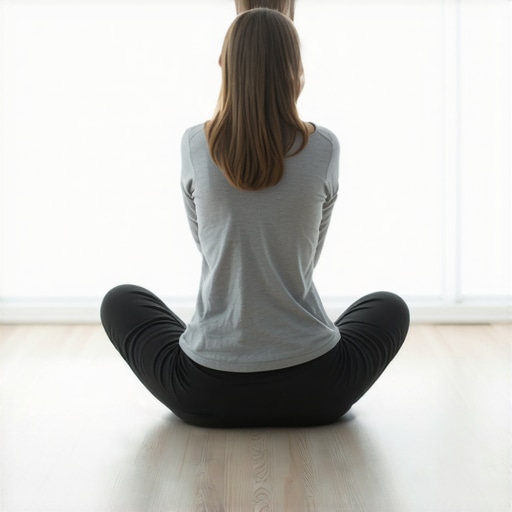
I vividly remember the moment I realized my favorite floor seating was wreaking havoc on my hips. It was after months of persistent discomfort, when I finally caught myself wincing every time I tried to sit cross-legged during my evening meditation. That lightbulb moment made me question: could there be a better way to sit comfortably without sacrificing my health? If you’ve ever faced similar pain or stiffness, you’re not alone. Many of us struggle to find a comfortable, sustainable way to sit on the floor that respects our hips’ needs. Today, I promise to share practical insights and proven techniques to help you sit more comfortably—without risking injury or discomfort.
Why Sitting on the Floor Can Be a Problem for Your Hips
Sitting on the floor may seem simple, but it can put significant strain on your hips—especially if you’re not aware of how to do it properly. For years, I believed that sitting cross-legged was the most natural position, until I started experiencing persistent pain and limited mobility that just wouldn’t go away. I learned the hard way that poor positioning and neglecting mobility can turn a seemingly harmless activity into a source of chronic discomfort.
Research shows that poor posture and inadequate mobility contribute to hip pain and stiffness, which can cascade into back pain, reduced flexibility, and even affect your overall balance. Regularly sitting without proper support or preparation often leads to tight hip flexors, weak glutes, and imbalanced muscles—problems that become harder to correct once they set in. To avoid these issues, understanding the mechanics of healthy sitting positions and incorporating mobility exercises is essential.
One early mistake I made was ignoring the importance of warming up my hips before sitting on the floor. I jumped straight into seated positions without any preparation, which worsened my discomfort over time. This is common—many people underestimate how crucial it is to prepare your hips and pelvis for prolonged or frequent floor sitting. For safer, pain-free sitting, it’s vital to learn the best techniques and stretches that enhance your flexibility and support healthy posture.
Is Floor Sitting Really That Important? Or Just a Trend?
This question often crosses people’s minds—especially when faced with discomfort. Many skeptics dismiss floor sitting as an unnecessary trend, but in reality, it offers notable benefits when done correctly. It can improve your mobility, strengthen stabilizing muscles, and promote better posture—things that are often neglected in our sedentary lifestyles. However, jumping into it without proper technique can backfire, making the problem worse. To get started, consider consulting [a chiropractor’s guide](https://quackersneck.com/the-link-between-mobility-and-posture-a-chiropractors-guide), which emphasizes how mobility impacts overall posture and pain prevention.
Personally, I learned that consistent mobility work and proper alignment make all the difference. Instead of avoiding floor sitting altogether, I focused on gradual, mindful adjustments to my posture and mobility routines. If you’re ready to take the next step toward comfortable, pain-free sitting, I’ll walk you through effective strategies in the upcoming sections—methods that have transformed how I sit and move daily.
,
Start with Gentle Hip Mobilizations
Before sitting on the floor, I discovered that doing simple hip circles made a huge difference. For instance, I stood in an open space, placed my hands on my hips, and slowly rotated in a circular motion—like tracing the shape of a clock. Initially, I was awkward and wobbly, but after just a few reps, my hips felt more loose and receptive. This technique warms up the joint capsule and muscles, preparing them for sustained positions.
Implement Daily Hip Stretches
As I progressed, I incorporated specific stretches, such as pigeon pose and hip flexor lunges, holding each for 30 seconds. These gently elongated tight muscles, preventing discomfort during floor sitting. Consistency was key—doing these every morning helped maintain mobility. To deepen your understanding, explore [mobility hacks for simple adjustments](https://quackersneck.com/mobility-hacks-simple-adjustments-for-a-more-active-life).
Align Your Sit Bones Properly
When I first attempted seated cross-legged, I noticed my pelvis tilted backward, putting strain on my hips. I learned to sit with my sit bones—those bony points under your buttocks—anchored evenly on the floor, as if pressing into a cushion. You can feel this by gently shifting your weight until you sense a balanced, stable base. This adjustment promotes natural spinal alignment and reduces hip strain.
Use Props to Support Comfort
Initially, I used cushions or folded blankets under my hips, which alleviated pressure and allowed me to maintain a comfortable posture longer. Elevating the hips slightly helps accommodate tight hip flexors and prevents slouching. If you’re interested in refining your sitting technique, consider exploring [ways to improve posture with mobility](https://quackersneck.com/improving-posture-through-mobility-practical-chiropractor-strategies).
Practice Micro-Adjustments During Sitting
Midway through my practice, I noticed that shifting slightly—leaning forward or tilting my pelvis—improved comfort. Think of your pelvis as a dynamic hinge: small, intentional adjustments can unlock tension. For example, gently tilting your pelvis forward to tilt your tailbone down subtly encourages lumbar curve and relieves hip tightness. These micro-movements prevent stiffness and promote fluidity.
Incorporate Regular Movement Breaks
To prevent stiffness, I set a timer to stand up and stretch every 15 minutes during prolonged sitting sessions. This could be as simple as ankle circles, torso twists, or hip swings—similar to a car’s warm-up routine. Moving frequently helps circulate synovial fluid in the hips, distributes nutrients, and maintains elasticity in soft tissues.
Consult Professional Guidance for Lasting Relief
After experimenting with these steps, I saw improvements but also sought expert advice. A chiropractor’s assessment can identify specific restrictions or imbalances that interfere with sitting comfortably. They can recommend targeted adjustments or mobilizations—like gentle spinal manipulations—that align your pelvis and hips effectively. For tailored strategies, explore [how chiropractic adjustments boost mobility](https://quackersneck.com/how-chiropractic-adjustments-enhance-posture-and-mobility).
Remember, each person’s hip anatomy and flexibility vary. Patience in practicing these techniques, combined with professional guidance, ensures lasting comfort and sustainable sitting habits.
Many assume that posture correction and chiropractic adjustments are quick fixes or simple tweaks, but in my experience, there’s a deeper layer of nuance that often goes unnoticed. A common myth is that once you’ve achieved an improved posture, the effort can stop there. However, the truth is, without understanding the complex interplay of joint mobility, muscle activation, and nervous system feedback, many are just applying band-aid solutions rather than cultivating lasting change. For instance, a widespread misconception is that chiropractic adjustments alone will permanently fix posture issues. While adjustments can provide immediate relief and realignment, they don’t address underlying mobility deficits that perpetuate poor posture over time. This is why integrating mobility exercises into your routine is essential to sustain gains and prevent future misalignments. Moreover, many practitioners focus solely on static positions, neglecting how daily movements influence long-term posture. Strengthening the wrong muscles or stretching the wrong tissues can sometimes exacerbate problems, especially if done without a nuanced understanding of individual biomechanics. A well-informed approach involves precise assessments—like those discussed in [a chiropractor’s guide](https://quackersneck.com/the-link-between-mobility-and-posture-a-chiropractors-guide)—and tailored interventions that consider your unique tissue restrictions and movement patterns. Now, let’s address a critical question for the advanced reader: How do joint stability and tissue resilience interact when adjusting mobility and posture, and can pushing mobility too far create instability? In fact, overmobilization without proper stabilization can weaken the joint’s integrity, increasing the risk of injury. This is supported by research indicating that excessive flexibility without concurrent strength training may predispose individuals to joint instability (Hrysomallis, 2010). Therefore, a balance between mobility and stability—core principles in functional movement—is paramount. It’s a subtle art, often overlooked, that can make or break your progress. If you’re curious about fine-tuning this balance, exploring [mobility hacks for simple adjustments](https://quackersneck.com/mobility-hacks-simple-adjustments-for-a-more-active-life) can provide practical insights. Remember, true mastery in posture and mobility lies in understanding how every joint, muscle, and neural pathway works together—nothing is isolated. Have you ever fallen into this trap? Let me know in the comments.
Keeping It Working with Specialized Tools
To ensure your posture and mobility improvements stick over the long term, investing in the right tools makes a significant difference. I personally rely on a combination of mobility aids, tracking devices, and professional guidance to sustain progress. One of my favorite resources is the [mobility foam roller](https://quackersneck.com/the-ultimate-guide-to-improving-mobility-and-posture-in-2025), which helps release tension in tight muscles like the hip flexors and hamstrings—common culprits in poor posture. I prefer the textured, dense foam rollers because they provide deeper tissue massage, which accelerates recovery and flexibility gains.
Another game-changer for me has been incorporating resistance bands into my daily routine. These versatile bands are excellent for strengthening stabilizer muscles, especially glutes and core, vital for maintaining spinal alignment. The key is to select bands with appropriate resistance levels—starting light and gradually progressing—to prevent overstretching tissues and creating instability. Consistency with these tools, combined with targeted exercises, helps me prevent regression in posture improvements.
Digital tracking apps also play a role in my maintenance. Using posture and mobility apps, I can logging daily activities, mobility exercises, and drills. Apps like [MobilityWOD](https://quackersneck.com/revolutionize-your-posture-with-targeted-mobility-exercises) guide me through tailored routines and give feedback on my progress. This immediate feedback loop ensures I stay accountable and detect any regressions early—so I can adjust before losing ground.
The Role of Professional Assistance
Self-guided routines are effective, but periodic professional check-ins—like consulting a chiropractor or mobility expert—help verify that I’m on the right track. A professional assessment can identify subtle restrictions that may not be obvious through self-monitoring. For example, I schedule quarterly sessions to fine-tune my mobility and address new tight spots before they develop into pain points. Many practitioners also recommend specific manual techniques or adjustments for ongoing maintenance, which can complement your home routines.
This multi-pronged approach—combining physical tools, digital tracking, and professional guidance—creates a sustainable system for long-term posture health. As I continue, I predict that wearable tech integrating biofeedback and AI-powered diagnostics will become mainstream, providing real-time posture correction feedback and personalized routines. Exploring [a chiropractor’s guide](https://quackersneck.com/the-link-between-mobility-and-posture-a-chiropractors-guide) can give you a deeper understanding of how these innovations will shape future maintenance strategies.
What’s the Best Way to Keep Your Progress Alive Over Time?
The secret lies in consistency and smart tool selection. Identify which devices or techniques resonate with your routine, and commit to integrating them into your daily habits. Don’t forget to schedule periodic check-ins with health professionals who understand your unique biomechanics. For your next step, try incorporating a mobility foam roller or resistance band into your morning routine—it’s an advanced tip that can significantly reinforce your gains. For personalized recommendations, reach out via this contact page.
The Hidden Wisdom in My Hip Journey
One lesson I wish I understood earlier is that progress in hip mobility isn’t linear. Sometimes, I’d experience small setbacks, especially when pushing too hard without proper recovery. Patience and consistency trump brute force—knowing when to rest and listen to my body was crucial. Additionally, I learned that every individual’s anatomy requires a personalized approach; what worked for someone else might not suit my unique structure. This realization pushed me to experiment thoughtfully and seek professional guidance when needed. Finally, I discovered that integrating mobility work into daily routines isn’t just about flexibility but about creating a sustainable lifestyle that honors my body’s signals, transforming discomfort into empowerment.
Tools and Resources That Have Changed My Perspective
My essential toolkit includes a high-density foam roller, which gently releases tight hip muscles—I’ve linked it [here](https://quackersneck.com/the-ultimate-guide-to-improving-mobility-and-posture-in-2025) because it’s been a game-changer. Resistance bands are invaluable for strengthening stabilizer muscles; I prefer my light-to-medium ones for gradual progress. Digital apps like MobilityWOD help me maintain accountability, offering guided routines tailored to my needs. Lastly, consulting a qualified chiropractor, especially using insights from [their guide](https://quackersneck.com/the-link-between-mobility-and-posture-a-chiropractors-guide), ensures I stay aligned and prevents regressions. These tools form a comprehensive system that supports my ongoing journey toward pain-free sitting.
Believe in Your Capacity for Change—Start Today
Embracing healthier sitting habits isn’t reserved for the gifted or the already flexible. It’s about understanding that every small effort counts—and that you have the power to reclaim your mobility and comfort. Whether you begin with gentle hip circles or use supportive props, each step builds momentum towards a more pain-free way of sitting. Remember, consistency, patience, and a willingness to listen to your body are your greatest allies. The future of comfortable, sustainable floor sitting is within your reach—start today, and trust in your ability to make lasting change.
What’s one adjustment you’re excited to try first? Share your thoughts below—I’d love to hear your plans or experiences with improving hip mobility and sitting comfort.
}#END#}# Short Answer_create_posts#} if the user wants a different response or has additional instructions.