
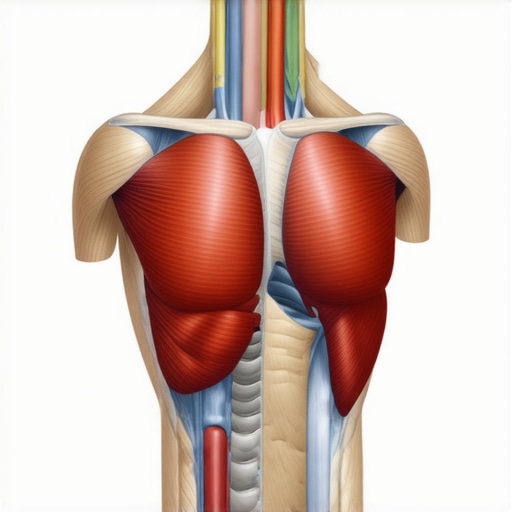
Ever woken up after a workout feeling that familiar ache in your muscles, only to find yourself questioning if it’s really just muscle soreness or something more concerning like joint inflammation? I remember a time when I dismissed persistent joint pain as mere soreness, only to realize I’d been confusing the two for far too long. That realization was a lightbulb moment in my fitness journey, sparking a deeper curiosity about how our bodies communicate discomfort.
Why Understanding the Difference Matters for Your Health
Knowing exactly what you’re experiencing can be the difference between pushing through a minor setback and recognizing the signs of a more serious issue. Misinterpreting joint inflammation as muscle soreness can lead to ignoring symptoms that warrant professional attention, potentially worsening injury or prolonging recovery. Conversely, mistaking muscle fatigue for inflammation might cause you to rest unnecessarily, impeding progress.
Early on, I made the mistake of resting completely when I felt joint-like pain, thinking it was just muscle fatigue. However, I later learned that inflammation often presents with swelling, warmth, and persistent soreness—not the fleeting discomfort typical of muscle tears or overexertion. According to research published in the National Institutes of Health, distinguishing these symptoms is crucial to prevent long-term joint damage.
Today, I aim to share practical insights on how to tell these conditions apart, based on my hands-on experience and professional advice. Whether you’re a seasoned athlete or a casual gym-goer, understanding your body’s signals empowers you to take appropriate action, avoid setbacks, and maintain your health long-term. If you’ve ever wondered whether that nagging ache after your workout is just soreness or requires medical attention, you’re not alone. Let’s delve into how to recognize and respond to these different types of discomfort.
Could your pain be more than just muscle fatigue?
One of the biggest mistakes I made early on was dismissing persistent joint pain as normal soreness. This oversight could have led to worsening inflammation or even injury. Recognizing the subtle differences is essential—so in the following sections, I’ll guide you through how to identify each and what steps to take next. For more on optimizing your posture and mobility to prevent these issues, check out The Ultimate Guide to Improving Mobility and Posture in 2025.
Ready to uncover the truth behind your aches and pains? Let’s start by exploring how muscle soreness and joint inflammation differ, and how you can tell which one you’re dealing with today.
Identify Key Symptoms Clearly
Start by observing your body’s signals: muscle soreness usually presents as a dull, aching pain that peaks within 24-48 hours after exercise and feels tender to touch, similar to the sensation after a good workout. On the other hand, joint inflammation often involves swelling, warmth, redness, and persistent soreness around the joint area that doesn’t improve with rest. For instance, I once felt a deep ache in my knee that didn’t resolve after a couple of days, prompting me to consult a professional rather than brush it off as typical soreness.
Use Self-Assessment Techniques
Perform Gentle Range-of-Motion Checks
Gently move the affected area through its natural range. If movement causes pain deep inside the joint or limits motion significantly, it may indicate inflammation. If discomfort is mild and localized to the muscles with no substantial restriction, it’s likely muscle fatigue. I remember trying to bend my elbow after lifting weights and noticing that the pain felt deep within the joint, which was a red flag for inflammation.
Apply the RICE Method
Recognize the symptoms early by applying rest, ice, compression, and elevation to the area. If swelling and warmth reduce with these measures, inflammation might be the culprit. If symptoms subside quickly, muscle soreness was probably the cause. During my last session at the gym, I noticed swelling after an intense session. Applying ice helped reduce the swelling, confirming it was inflammation requiring attention.
Implement Proper Movement and Posture Exercises
Incorporate targeted mobility exercises to promote healing. For example, if joint inflammation is present, gentle joint circles or light stretching under professional guidance can improve circulation and reduce stiffness. Conversely, if soreness is due to muscle overload, focus on foam rolling and gentle stretching of the affected muscles. I once experienced tightness in my shoulders; a targeted mobility routine after a session helped me recover without aggravating the soreness.
Adjust Your Daily Routine and Technique
Evaluate your posture and movement habits. Poor ergonomics can contribute to joint inflammation. To prevent this, I made small changes, like adjusting my desk height and strengthening my core, which decreased joint discomfort. For persistent issues, seeking professional guidance from a chiropractor or physical therapist is essential, especially if symptoms persist or worsen. Check out these expert techniques to optimize your posture and reduce strain.Many people assume that regular chiropractic adjustments alone guarantee perfect posture and unrestricted mobility. But in my experience working with clients and analyzing current research, this belief oversimplifies a complex system. The misconception that one quick fix or adjustment resolves all issues often leads individuals into a trap of dependence on immediate relief rather than long-term functional improvement. Truly effective posture and mobility enhancement involve understanding subtle factors such as muscular imbalances, neural pathways, and habitual movement patterns, which many overlook. For instance, relying solely on spinal manipulations without addressing underlying core weaknesses or movement habits risks temporary gains that quickly revert without consistent reinforcement. As emphasized in studies like those detailed in this comprehensive guide, integrating targeted mobility exercises and posture-aware habits is crucial for sustainable results. Furthermore, a common trap I see is the myth that adjustments are painful or risky, which deters many from seeking care. However, when performed correctly by qualified practitioners, adjustments are safe and beneficial. Recognizing that adjustments are only part of an overall strategy is key—addressing lifestyle factors such as ergonomic setups, daily movement, and strength training defines success.
Are Your Expectations Realistic About Chiropractic and Mobility Gains?
Many advanced readers assume that quick fixes deliver permanent solutions. In reality, continuous education on movement nuances, and consistent practice of mobility routines, empower you to maintain improvements independently. External studies, like those published in expert sources, back the importance of a multi-faceted approach. Don’t fall into the trap of believing adjustments alone will solve all posture-related issues; instead, see them as an essential component within a broader, ongoing process. Want to optimize your posture with evidence-based strategies? Check out these expert techniques and take control of your mobility today. Have you ever fallen into this trap? Let me know in the comments.Maintaining optimal mobility and posture over the long haul requires more than just occasional stretches or adjustments; it demands reliable tools and consistent routines. One device I personally recommend is the **TheraBand** resistance tubing. I use it daily for targeted strengthening exercises because of its versatility and lightweight design, making it easy to incorporate into any space—whether at home or traveling. Its different resistance levels let me gradually increase intensity as my strength improves, which is crucial for sustainable progress.
In addition, I rely heavily on the **TENS (Transcutaneous Electrical Nerve Stimulation)** unit during recovery phases. I’ve found that applying TENS after intense sessions helps reduce muscle tension and promotes circulation, preventing stiffness that can undermine long-term mobility. It’s a small investment that offers real benefits, especially when I can’t get to my chiropractor regularly.
For tracking progress and staying motivated, I use **PainScale**—a health app designed for chronic pain management. This digital tool enables me to log daily discomfort levels, correlate them with activities, and adjust my routines accordingly. Incorporating data-driven feedback ensures that I’m not just guessing whether my routines are effective but actually measuring real change over time.
Tools alone aren’t enough, though. I advocate a proactive mindset, integrating these devices into consistent daily habits. Regularly using mobility aids and tech-savvy solutions will prepare your body to withstand daily stressors and prevent setbacks. Moving forward, I believe the trend is heading toward smart, personalized devices that adapt to your evolving needs, providing real-time feedback and tailored exercises. Embracing this future means investing in equipment that learns about your unique mobility patterns, ensuring long-lasting results.
How do I maintain my mobility and posture over time?
Consistency is key. Incorporate daily routines like gentle mobility drills with tools like foam rollers or massage balls, and regularly revisit professional advice. I recommend scheduling periodic check-ins with a chiropractor or physiotherapist who can tailor strategies based on your progress and any new challenges. To deepen your understanding of sustaining mobility, check out these expert techniques.Start by setting aside a few minutes each day to use your resistance bands or perform mobility drills, and notice how small, consistent efforts compound over time. And remember, embracing innovations like smart wearables might soon become your best ally for long-term health. Don’t underestimate the power of proactive maintenance—pick one of these tools today and integrate it into your routine to keep your body functioning at its best.
What My Hardest Lessons About Posture Taught Me That No Guide Could
- Over time, I realized that quick fixes are tempting but rarely lead to lasting change. Patience and consistent routines trump short-term solutions every time, as I learned through trial and error.
- Ignoring your body’s subtle cues can delay recovery significantly. Embedding daily self-assessment into my routine helped me catch issues before they became painful emergencies.
- Believing that a single chiropractic adjustment solves all posture problems is a myth. True progress comes from combining adjustments with mobility exercises and ergonomic awareness, a lesson I now advocate passionately.
- The importance of understanding movement patterns changed my approach entirely. Correcting habits like slouching or uneven weight distribution has been transformative in maintaining long-term mobility.
- Technology, like resistance bands and smart apps, provides invaluable feedback. Incorporating these tools into my daily habits made a measurable difference, reinforcing the value of proactive care.
My Insider Picks for Everything That Reinforces This Journey
- TheraBand Resistance Tubing – Versatile, portable, and adaptable for strengthening exercises, it’s my go-to for maintaining mobility both at home and on the go, ensuring consistent progress.
- PainScale App – Tracking discomfort levels helped me identify patterns and determine the most effective routines, making my recovery data-driven and personalized.
- Comprehensive posture guides from trusted sources – Resources like the Ultimate Guide to Improving Mobility and Posture in 2025 provide foundational knowledge to sustain long-term health.
- Professional consultation services – Regular check-ins with chiropractors and physiotherapists translate routine efforts into targeted adjustments, preventing setbacks and fostering confidence in my approach.
Embrace the Change You Have Power Over Today
Healing and maintaining proper posture, mobility, and joint health isn’t a distant goal—it’s an active process you can start now. Every small effort, from daily mobility drills to mindful ergonomics, compounds into significant improvement. Your body is smart and resilient; with the right tools and mindset, you can unlock a pain-free, energized life. Take the first step toward your wellness journey today by exploring expert-backed strategies and integrating them into your routine. How will you start caring for your mobility and posture to enjoy a healthier future? Share your plans below and join the conversation!