
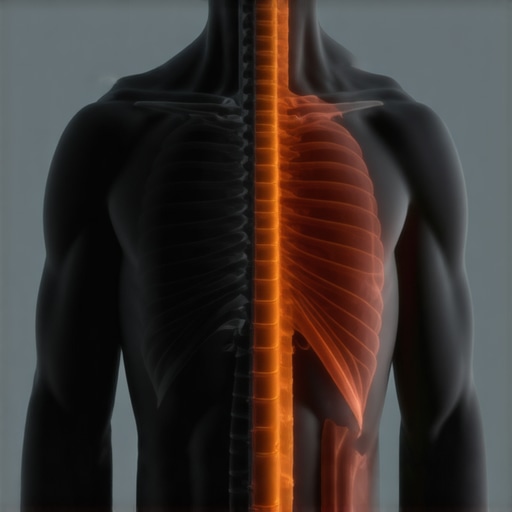
I remember the exact moment it hit me—standing in my bathroom, feeling that familiar ache creeping up my lower back after a long day. I had just finished an intense workout and was about to relax, but instead, I grimaced as I bent down to tie my shoe. Suddenly, I realized that my breathing was shallow and hurried. It was a lightbulb moment: my breathing pattern might be quietly sabotaging my lower back stability.
The Hidden Link Between Breathing and Back Health
Many of us focus on perfect posture or targeted exercises to strengthen our backs, but we overlook a subtle yet powerful factor—our breathing habits. The way we breathe influences our core engagement, spinal support, and overall musculoskeletal balance. When my breathing was rushed or shallow, my core muscles didn’t activate properly, leaving my lower back vulnerable to strain.
Just as a building relies on its foundation, our lower back depends on the stability provided by proper muscles working in harmony. I’ve learned that incorrect breathing can create a cascade of issues, from tight hip muscles to poor posture, all subtly undermining our health. The good news? By paying attention to our breath, we can significantly improve back stability without endless stretches or cumbersome routines.
What We’ll Cover Today
In this post, I’m going to share practical insights backed by experience and expert advice on how your breathing habits are intertwined with your lower back health. We’ll explore simple ways to identify faulty breathing patterns, understand their impact, and implement lifestyle tweaks that promote better spinal support. If you’ve ever wondered why back pain persists despite strong muscles or regular stretches, this could be the missing piece of the puzzle.
So, let’s dive into how your breath might be quietly sabotaging your back and what you can do about it, starting today.
Is Your Breathing Actually Causing Your Lower Back Pain?
Early in my journey, I made the mistake of assuming that strengthening exercises alone would fix my back issues. What I didn’t realize was that I was unknowingly breathing in a way that limited my core engagement. It was only after I learned to control my breath—through specific exercises and awareness—that I saw real improvements. If you’re skeptical—like I was—know that even top professionals emphasize breath control as a cornerstone of spinal stability. Want to discover simple strategies to improve your breathing and support your back? Reach out through our contact page, and I’ll share personal tips that have helped many.
Understanding the subtle yet powerful impact of breathing can be a game-changer for your posture and pain management. Ready to explore how your habits could be holding you back? Let’s move forward and empower your body from the inside out.
Identify Poor Breathing Habits and Make Immediate Adjustments
Start by observing how you breathe throughout the day. Are your shoulders rising with each inhale, or is your chest shallow? One micro-story from my own experience: during a work call, I noticed I was holding my breath, which caused my core to weaken. To fix this, I paused, took a slow diaphragmatic breath—belly rising and falling—and felt a noticeable release in my lower back tension. This tiny act immediately improved my posture and reduced discomfort.
Implement Diaphragmatic Breathing Exercises
Lie on your back with knees bent or sit upright, place one hand on your chest and the other on your belly. Breathe deeply through your nose, aiming to inflate your belly rather than your chest. Exhale slowly through your mouth, engaging your core. Practice this for 5–10 minutes daily. Think of it as resetting your body’s foundation—similar to recalibrating a misaligned structure—so your entire posture benefits. Consistency transforms a messy start into lasting change, much like my initial attempts improving over a week.
Strengthen Core Engagement During Movement
As you breathe consciously, integrate this core activation during daily activities. For instance, when standing up from a chair, exhale slowly and gently brace your abdomen—imagine gently pulling your belly button in without holding your breath. This action stabilizes your lumbar spine, supporting your lower back. A practical tip I used: before reaching for the remote, I pause, breathe out, and tighten my abs slightly—preventing unnecessary strain and fostering better movement patterns.
Practice Posture-Centric Movements with Breathing Focus
Incorporate breathing and core engagement into everyday motions like bending, twisting, or lifting. For example, before picking up a heavy object, exhale fully to brace your core—think of tightening a natural corset—then lift with controlled movement. This technique acts like a chiropractic adjustment for your spine, directly influencing stability. I personally added this habit into my routine, noticing reduced lower back fatigue after a week of mindful practice.
Adjust Daily Habits to Support Optimal Breathing
Small lifestyle tweaks make a big difference. Practice sitting with your feet flat, shoulders relaxed, and breathe deeply into your diaphragm. Limit shallow breathing by prioritizing posture—use reminders like post-it notes, or set alarms on your phone. Over time, these habits become second nature, reinforcing spinal support much like targeted mobility exercises described in this guide. I found that avoiding slouched positions and consciously deep breathing unlocked a new level of back comfort.
When it comes to improving posture and spinal health, many assume that frequent chiropractic adjustments or targeted stretches are the ultimate solution. However, there’s a subtle nuance often overlooked: the relationship between habitual movement patterns and the body’s structural balance. Contrary to popular belief, relying solely on chiropractic manipulations without addressing underlying movement dysfunctions can lead to temporary relief but rarely results in long-term improvements.
A common myth is that adjustments alone realign the spine permanently. Yet, without correcting the behavioral habits that cause misalignments—such as poor ergonomics, improper lifting techniques, or stagnation—you risk a recurring cycle of subluxations. Experts emphasize that **mobility exercises and postural awareness** are foundational to sustaining chiropractic gains, as they promote adaptive tissue flexibility and muscular balance.
Beware of the trap: some practitioners push intensive adjustment schedules without integrating functional movement coaching. This fragmented approach can neglect the body’s need for neuromuscular re-education, which is crucial for lasting change.
What Advanced Strategies Actually Make a Difference in Long-Term Postural Health?
Research by leading chiropractors shows that integrating **movement-based therapies** with manual adjustments enhances proprioception and muscular coordination. Techniques like functional movement screening identify specific motor pattern faults, enabling tailored interventions. For example, simply applying adjustments without addressing root causes—like habitual sitting postures or asymmetrical movements—can render treatments ineffective over time.
Additionally, many overlook the importance of **tissue restrictions** that limit mobility. Stretching or foam rolling might seem beneficial, but without understanding the specific restrictions at play, these tools may be misused. Proper assessment ensures targeted intervention, which can dramatically improve outcomes.
For a comprehensive approach, consider exploring resources like [improving posture through mobility](https://quackersneck.com/improving-posture-through-mobility-practical-chiropractor-strategies) and [the link between mobility and posture](https://quackersneck.com/the-link-between-mobility-and-posture-a-chiropractors-guide). These emphasize that sustainable improvements hinge on a harmonious blend of manual therapy, movement correction, and lifestyle adjustments.
Remember, the goal isn’t just pain relief but fostering proprioceptive awareness and motor control that support daily activities. If you’re unsure whether your current routine addresses these nuances, I recommend consulting specialists who prioritize an integrated approach. You can reach out [here](https://quackersneck.com/contact-us-2) to discuss personalized strategies.
Have you ever fallen into this trap? Let me know in the comments. By understanding and addressing these subtleties, you can unlock a new level of spinal function and overall well-being.Maintaining long-term improvements in posture and mobility requires more than just in-session adjustments or exercises; it hinges on consistent use of effective tools and methods to reinforce those gains. One of my personal go-to resources is the use of **diaphragmatic breathing devices**, like the Breath Buddy, which I use daily to ensure my breathing patterns stay optimized, directly supporting core stability and spinal alignment. These devices provide tactile feedback, helping me develop deeper, more controlled breaths even on忙 days when stress tends to shallow my breathing.
Another essential tool in my regimen is the **foam roller**, particularly the beveled or grid varieties. I incorporate targeted rolling sessions to release my thoracic spine and hip flexors, areas prone to tightening from sedentary habits, which directly influence posture. What sets the foam roller apart in my practice is its ability to facilitate self-myofascial release, preventing tissue restrictions that could compromise adjustments made during visits.
For tracking progress, I rely on **mobility apps** like Goniometer, which allow me to measure joint ranges of motion over time. Regular assessments help identify regressions early, so I can adapt my mobility routines promptly. These tools have empowered my clients to take ownership of their body’s health, making maintenance a hands-on, engaging process.
Looking ahead, I predict the trend will increasingly favor **wearable biofeedback devices** that provide real-time data during movement, such as posture sensors or smart clothing. This technology will allow us to correct habits instantly, fostering continuous improvement outside the therapy room.
And how do I keep my posture and mobility habits robust over time? Consistency is key—integrating daily routines like deep diaphragmatic breathing and mobility drills ensures the gains stick. If you’re ready to elevate your maintenance game, I recommend trying the simple but effective breathing technique I mentioned earlier using a device or just mindful practice. Want personalized guidance? Reach out through our [contact page](https://quackersneck.com/contact-us-2) to discuss creating a tailored maintenance plan that fits your lifestyle.Throughout this journey, I learned that sometimes the smallest habits—like mindful breathing—can have the most profound impact on our spinal stability. One lesson I hold close is that addressing core issues requires a holistic approach; focusing solely on exercises without considering how you breathe can limit your progress. I discovered that integrating diaphragmatic breathing into daily routines transforms posture from the inside out, making a tangible difference in pain reduction and mobility. Additionally, understanding that habits like shallow chest breathing often sneak in during everyday stress helps me stay vigilant and proactive, reminding me that control over my breath directly influences my back health. Embracing this insight has empowered many to break free from a cycle of persistent discomfort and take charge of their spinal well-being.