
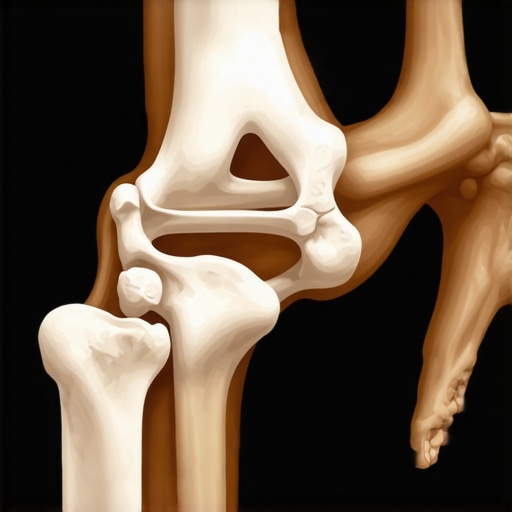
I still remember the moment I first noticed it—my knee felt like it was winking at me every time I took a step, an uncomfortable outward tracking that seemed to get worse with each walk. It was embarrassing, frustrating, and honestly, a little terrifying. I had no idea what caused it, but I knew I couldn’t ignore it. That lightbulb moment led me down a path of self-discovery, understanding my body better, and finally finding relief.
Say Goodbye to Unwanted Knee Movements and Reclaim Your Mobility
Knee instability or outward tracking isn’t just a minor annoyance—it’s a clear sign that something’s out of alignment, and left unaddressed, it can lead to pain and long-term joint issues. The good news? Your body has a remarkable ability to heal and realign itself, especially when equipped with the right knowledge and strategies.
For years, I believed that dismissing it as a minor glitch was enough—that my body would sort itself out. But I made the mistake early on of ignoring the importance of proper posture and mobility exercises. That’s a mistake I see many repeat—and it costs them. Instead, I learned that the key lies in understanding the deeper cause of the outward knee tracking, which often involves issues with hip and ankle alignment, as well as muscular imbalances.
If your knee is constantly caving outward when you walk, chances are you’re compensating for instability somewhere else in your kinetic chain. By focusing on targeted mobility and strengthening exercises, you can bring your knee back to its proper path. Not only will this reduce discomfort, but it can also improve your overall walking efficiency and prevent future problems.
Want to explore how chiropractic adjustments and mobility hacks can help realign your knees? Check out this excellent resource on [how chiropractic care enhances posture and mobility](https://quackersneck.com/how-chiropractic-adjustments-enhance-posture-and-mobility), which delves into the connection between spinal health and joint stability.
Are you tired of living with that awkward knee wobble? Do you feel like you’ve tried everything but nothing sticks? Well, you’re in the right place. In the next sections, I’ll guide you through simple yet effective steps to address this issue head-on. But before that, let me share a common mistake and what you should avoid doing if you want real results.
Assess Your Movement Patterns
Start by observing how your knee tracks during walking or squatting. Use a mirror or record yourself. Notice if your knee consistently drifts outward, which indicates muscular imbalance or joint instability. Identify specific activities that trigger or worsen this pattern. This initial step is crucial for customizing your corrective approach and avoiding unnecessary strain or injury.
Prioritize Chiropractic Adjustments
Seek professional chiropractic care to realign your spine and pelvis. Proper spinal health supports better hip and knee function. For example, I once visited a chiropractor who focused on lumbar and pelvic adjustments. After just a few sessions, I experienced less outward knee wobble during walking. Regular adjustments can restore proper joint relationships and optimize your body’s natural movement patterns. To understand how it benefits your posture, check out this detailed guide.
Incorporate Mobility Drills
Implement mobility exercises targeting hips, ankles, and knees. Think of your body as a flexible garden hose; without enough mobility, water (movement) can’t flow freely. Start with ankle dorsiflexion stretches, hip openers, and knee circles. For instance, I personally do ankle rolls and hip swings daily. These improve joint range of motion and reduce compensatory movements that lead to outward knee tracking. For practical routines, explore this resource.
Strengthen Supporting Muscles
Focus on strengthening the hip abductors, quadriceps, and core muscles. Strong support reduces the tendency for your knees to drift out. I integrated side-lying leg lifts and planks into my routine, which significantly stabilized my knees. Think of your muscles as the scaffolding supporting a building; without sturdy scaffolding, the structure wobbles. Use resistance bands for added tension, ensuring proper form to prevent compensation. To learn targeting techniques, visit this guide.
Practice Controlled Movement and Alignment
Slow down your walking and pay close attention to your knee position. Visualize guiding your kneecap along a straight line with each step. Use mirror feedback or tactile cues to maintain alignment. I once consciously slowed my stride and used tactile feedback from my hand on my thigh to keep my knee aligned. This deliberate practice enhances neuromuscular control, reinforcing correct patterns over time. For tips on refining movement, see this article.
Stay Consistent with Daily Care
Consistency is key. Dedicate a few minutes daily to mobility and strengthening exercises. Incorporate quick mobility hacks like ankle circles while waiting in line or hip openers during breaks, as suggested in this overview. Over time, these small habits compound, delivering noticeable improvements in knee tracking and overall mobility.
When it comes to improving posture, many people fall prey to misconceptions that can actually hinder their progress. One widespread myth is that all chiropractic adjustments are a quick fix, leading to the assumption that once you get an adjustment, you’re done. In reality, chiropractic care should be viewed as part of a comprehensive approach involving mobility and strengthening exercises. Relying solely on adjustments without actively engaging in your mobility routine often results in short-term relief rather than lasting change.
Another common misconception is that poor posture is solely a visual issue—simply slouching or leaning causes problems. Although posture does influence appearance, the underlying cause often relates to deeper neuromuscular patterns and joint restrictions. Without addressing these root issues through targeted mobility exercises or chiropractic adjustments, poor posture tends to reoccur. Many assume that stretching alone will correct all issues, but neglecting strengthening can leave you vulnerable to returning bad habits.
Many believe that posture correction is only necessary when pain is present. However, research indicates that posture also affects long-term health, including risk for chronic conditions and joint degeneration. Proactive correction through daily mobility and proper alignment can prevent issues before they escalate. Be cautious of any advice that suggests minimal effort can produce dramatic results overnight; true change requires consistency and nuanced understanding. One advanced nuance is that improper force during adjustments can cause micro trauma if not performed correctly, which emphasizes the importance of professional practitioners who understand biomechanics and spinal stability intricacies.
So, if you’re considering a chiropractic or posture improvement plan, recognize the limitations of quick fixes and focus on a holistic routine that includes mobility, strengthening, and regular professional assessments. For a deeper dive into how mobility complements chiropractic care, check out this guide. Now, let me ask—have you ever fallen into this trap of relying solely on adjustments or stretching? Share your experience in the comments!Maintaining optimal posture and mobility over the long term requires more than just occasional stretches or adjustments; it involves a combination of the right tools, consistent routines, and a proactive mindset. One of my go-to tools is a high-quality foam roller, which I use daily to release muscle tension in areas like the thoracic spine and hips. Foam rolling helps break up myofascial adhesions, improving tissue flexibility and reinforcing the neural pathways that support good posture. I particularly recommend the Rumble Rollers for their durability and firmness, which allow deeper muscle release without discomfort. Incorporating regular self-massage sessions with such tools can significantly enhance the effects of chiropractic adjustments and mobility exercises.Reflecting on my experience with improving posture, chiropractic care, and mobility, I realized that one of the biggest lessons was how small, consistent adjustments can lead to profound change over time. I once believed quick fixes were enough, but I learned that patience and daily habits truly make the difference. Additionally, I discovered that understanding the root cause — like muscular imbalances or joint restrictions — empowers you to target your efforts effectively. Finally, I realized that embracing a holistic routine that combines chiropractic adjustments with mobility and strengthening exercises creates lasting benefits, transforming not just posture but overall well-being.