

I remember it clearly. I was sitting at my kitchen island, steam rising from my favorite ceramic mug, and then… twang. A sharp, electric zip shot from the base of my skull right down to my shoulder blade. I hadn’t even moved yet. I was just… sitting there. Drinking coffee. I used to think my morning caffeine fix was the only thing keeping me sane, but little did I know, the way I was cradling that mug was actually the reason my neck felt like a rusted gate hinge by 10:00 AM every single day. We often blame our pillows or our office chairs for our discomfort, but we overlook the repetitive motions of our most sacred daily rituals. Today, I want to show you exactly why that peaceful morning moment might be the source of your chronic tension and how you can reclaim your comfort without giving up your beans.
How Your Morning Ritual is Quietly Stiffening Your Spine
I spent years thinking I just needed a better mattress or a more expensive pillow. I bought every ergonomic gadget under the sun, yet the stiffness remained. My mistake was simple: I was ignoring the twenty minutes every morning I spent hunched over my kitchen counter, scrolling through headlines with a heavy mug in my hand. This “coffee hunch” is a silent killer for your alignment. When you tilt your head forward to look at your phone or peer into your cup, you’re essentially doubling or tripling the weight your neck has to carry. According to research published by Dr. Kenneth Hansraj in the National Library of Medicine, tilting the head at a 60-degree angle can put up to 60 pounds of pressure on the cervical spine. That’s like carrying an 8-year-old on your neck while you try to enjoy your latte! If you’ve noticed that your neck muscles are hard like a rock lately, it’s probably not a random occurrence; it’s the result of these micro-strains building up before your day even truly begins.
Is it really the coffee, or am I just getting older?
You might be skeptical, thinking it’s just a cup of joe and that I’m reaching for excuses. I thought the same thing. I figured my joints were just “settling” as I hit my late 30s. But the truth is, your body is incredibly good at compensating until it simply can’t anymore. By the time I realized my posture was the culprit, I already had a chronic “forward lean” that was affecting everything else. I had to learn the hard way that stop tilting your head down at your phone during breakfast was the first step to recovery. Have you ever felt that weird, sharp pinch in your shoulder while just trying to enjoy your morning brew? It’s a sign your body is screaming for a change. Getting ahead of this doesn’t mean giving up your French press; it means improving posture through mobility and making small, conscious shifts. I started using mobility hacks like bringing the mug to my face rather than dropping my chin to the mug. If you don’t address this now, you’ll find that your upper back burns after a long zoom call because your foundation was already compromised at 7:00 AM.
Bring the Mug to Your Face Not the Other Way Around
The first thing I had to change wasn’t the caffeine; it was the physics of the sip. Most of us treat our coffee mugs like anchors, resting them on the table and dropping our chins down to meet the steam. To fix this, you need to treat your arm like a crane. Keep your elbow tucked near your ribcage and lift the mug toward your mouth. This keeps your cervical spine stacked. I remember the first morning I tried this; I was so focused on my neck that I ended up spilling a splash of hot dark roast right onto my white marble countertop. It was messy, but for the first time in months, that sharp electric zip in my neck didn’t show up. If you find yourself struggling to keep your head up, it might be because how your vision is forcing your neck into a forward lean as you stare into the dark depths of your cup.
Stop the Rib Flare from Ruining Your Morning Breath
When we try to sit up straight, we often overcompensate by thrusting our chest out. This actually creates a ‘hinge’ in your mid-back that shuts down your core and stresses your lower spine. Instead of puffing your chest, think about ‘knitting’ your front ribs down toward your hip bones. This simple shift creates a stable cylinder for your torso. It’s the difference between a stack of sturdy blocks and a leaning tower of Pisa. If you don’t master this, you’ll eventually need to learn how to stop your ribs from flaring when you lift your arms for any basic task. Proper rib positioning is one of those mobility hacks that feels weird at first but pays off by lunch when your back doesn’t ache.
The 30-Second Wall Squeeze for Immediate Relief
If you’ve already spent ten minutes hunching, you need to reset the system. Stand with your back against a flat wall, heels about two inches away. Press your tailbone, shoulder blades, and the back of your head against the surface. Now, squeeze your shoulder blades together as if you’re trying to pinch a pencil between them. This isn’t just a stretch; it’s an activation. It wakes up the ‘postural’ muscles that have gone to sleep while you were scrolling. I do this every time I go to refill my mug. It’s essentially the 30-second wall squeeze to fix forward shoulder roll, and it works better than any massage because it retrains your brain.
Why Professional Adjustments Make Your New Habits Stick
Sometimes the ‘rust’ on the gate hinge is too thick for simple stretches to break through. When your vertebrae are restricted, your muscles have to work double-time just to keep you upright. This is why chiropractic care is your secret weapon for better posture. An adjustment clears the interference, making it physically easier to maintain that upright position at the kitchen island. Think of it like getting a front-end alignment on your car; you can hold the steering wheel straight all you want, but if the tires are crooked, you’re always going to be fighting the pull. By improving posture through mobility through a mix of home habits and professional care, you stop the cycle of morning stiffness before it becomes a lifelong injury.
But here is where most people get stuck: they think that ‘fixing’ their posture means standing like a statue. I see it all the time in my clinic. Patients walk in with their shoulders pinned back and their stomachs sucked in, thinking they are doing their spine a favor. In reality, why you should stop sucking in your stomach for better posture is often the first lesson I have to teach. When you ‘brace’ for hours on end, you aren’t creating stability; you are creating a cage. This rigidity prevents your spine from absorbing shock and moving naturally, leading to the very stiffness you are trying to avoid.
Stop Chasing the Crack and Start Seeking Stability
The biggest trap I see for those dealing with chronic tension is the ‘self-adjustment’ addiction. You know the feeling—that urge to roll your head until you hear a pop for a five-minute hit of relief. But why you should stop rolling your neck to get rid of cracks is simple: you are likely over-stretching the joints that are already too loose while the truly ‘stuck’ segments remain frozen. This creates a cycle of hypermobility that actually makes your muscles tighter as they try to protect the unstable joint. Real progress comes from the link between mobility and posture, focusing on moving the right joints at the right time rather than just making noise.
Can a simple breathing mistake really throw off your entire spine?
It sounds dramatic, but your diaphragm is the cornerstone of your alignment. If you are a ‘chest breather,’ you are using your neck muscles (the scalenes) to lift your ribs thousands of times a day. This is why your shoulder tightness is actually a diaphragm problem. According to a study published in the Journal of Physical Therapy Science, individuals with chronic neck pain show significantly less diaphragmatic excursion compared to healthy peers. When you don’t breathe deeply, the hidden link between your breathing pattern and lower back stability becomes apparent; your core loses its internal pressure, and your spine has to work harder to stay upright.

This is where professional intervention changes the game. While ‘mobility hacks’ are great for maintenance, how chiropractic adjustments enhance posture and mobility is by addressing the mechanical blocks you can’t reach yourself. Once those restrictions are cleared, your body can finally accept new, better habits without fighting against its own anatomy. When you pair chiropractic adjustments that unlock a pain-free lifestyle with proper functional movement, you move from just ‘managing’ pain to truly thriving. Have you ever fallen into the trap of ‘standing up straight’ only to feel more exhausted than before? Let me know in the comments below.
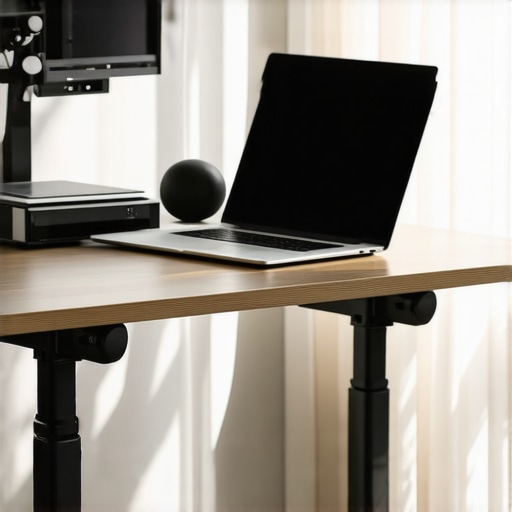
I’ve spent thousands of dollars on gadgets that promised to ‘fix’ me, but most ended up collecting dust in my closet. The real winners weren’t the most expensive ones; they were the tools that made the right path the path of least resistance. For me, that meant finally learning the specific way to sit at a laptop without creating a hump. It wasn’t just about a riser; it was about understanding that my screen needed to be at eye level so my neck didn’t have to compensate for my line of sight. I also swear by a simple lacrosse ball for my upper back and the proper way to use a tennis ball for glute pain when my hips feel locked after a long day of writing. These aren’t just ‘items’; they are levers that allow me to apply targeted mobility exercises without needing a full gym setup.
The Gear That Actually Earned a Spot on My Desk
If you’re serious about this, you need to look at your hands. I realized that the best way to position your keyboard for shoulder relief is actually lower and closer than you think, which prevents that slow ‘reach’ that rounds your upper back. I use a split keyboard now because it keeps my chest open naturally. It’s one of those mobility hacks that works while you work. When you stop fighting your equipment, you stop fighting your own muscles. I’ve found that improving mobility and posture in 2025 is less about rigid discipline and more about intelligent environment design.
How do I keep my spine feeling young over the long haul?
Consistency is where most people fail. They do a ‘posture day’ once a month and wonder why they still hurt. I treat my alignment like brushing my teeth. I use the daily move to keep your spine young—a simple thoracic rotation—every single time I stand up to get water. This constant movement is essential because, as Dr. Stuart McGill, a world-renowned expert in spine mechanics from the University of Waterloo, famously states, ‘The best posture is your next posture.’ He emphasizes that static positions are the enemy, regardless of how ‘perfect’ they look. This is why I focus on daily mobility boosts rather than trying to hold a military-straight pose for eight hours.
Looking ahead, I predict we are going to see a massive shift toward haptic-feedback wearables that don’t just tell you that you’re slouching, but actually guide your breathing patterns in real-time to maintain core pressure. We are moving away from passive supports and toward active bio-feedback. Until then, you have to be your own feedback loop. You can enhance your posture with expert techniques by staying curious about how your body feels in different chairs and cars. If you want to see an immediate change, I challenge you to try this: the next time you feel that ‘burn’ in your shoulders, don’t just stretch; check your rib cage and ‘knit’ those ribs down like we discussed. It’s the fastest way to reset your center of gravity.
What I Wish I Knew Before My Neck Became a Rock
One of the most profound shifts in my journey was realizing that posture isn’t a destination—it’s a constant conversation between your brain and your muscles. I spent far too long thinking I could ‘force’ my body into the right shape, but that only led to more bracing and deeper tension. Here are the truths that finally clicked for me after years of trial and error:
- Rigidity is the enemy of stability. The moment I stopped trying to stand like a soldier and started focusing on the link between mobility and posture, my chronic pain began to melt away.
- Breathing is your structural foundation. If you’re constantly stressed, understanding how your breathing habits are creating tightness in your scalenes is likely the missing piece of your puzzle.
- Small Wins Compound. You don’t need an hour at the gym every day to see results; you need ten seconds of awareness ten times a day to retrain your brain.
My Must-Have Gear for a Resilient Back
I’ve tested countless products, but these are the staples that actually moved the needle for my recovery and remain on my desk today. First, a simple lacrosse ball for trigger point therapy—it’s more effective than any expensive massage chair for getting into those stubborn knots between the shoulder blades. Second, I highly recommend reading ‘The Spinal Engine’ by Dr. Serge Gracovetsky; it completely changed how I view the mechanics of the human frame. Lastly, for those days when screen time is unavoidable, I rely on learning how to fix the computer hunch in under two minutes to reset my nervous system before the damage sets in.
Start Your Journey Toward a Limber Future
It’s easy to feel like your body is failing you when you’re stuck in a cycle of stiffness, but remember that your spine is designed to be incredibly resilient. By implementing consistent mobility boosts for posture, you are giving your nervous system the permission it needs to let go of unnecessary guarding. Whether you choose to revolutionize your posture with targeted mobility exercises or seek professional help to clear mechanical blocks, the goal is the same: a body that moves without thought or fear. Consistency in these small shifts will lead you toward improving mobility and posture in 2025 and beyond. Remember, why chiropractic care is your secret weapon for better posture is often because it provides the reset button your body can’t always find on its own. Have you noticed a specific time of day when your posture starts to slip the most? Let me know in the comments below!