
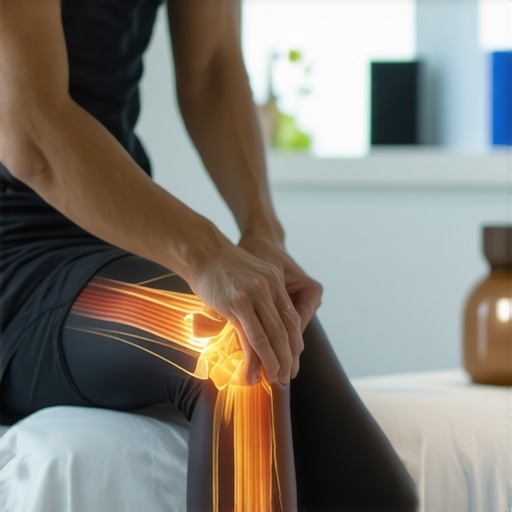
How a Reading Sports Massage Actually Speeds Up Muscle Repair
There is a persistent myth in the fitness community that recovery is a passive process – something that simply happens while you sleep or sit on the sofa. Even more pervasive is the idea that a Reading sports massage is merely a “painful luxury” or a treat for the elite athlete. As an Osteopath practicing in Reading and a lecturer on the subject, I can tell you that neither of these assumptions is correct. Muscle repair is a complex, biologically active sequence of events, and manual therapy is one of the most effective ways to intervene in that sequence to produce better, faster results.
Whether you are training for the Reading Half Marathon, spending your weekends at a local CrossFit box, or simply dealing with the physical toll of a long commute into London, your muscles undergo constant stress. Understanding how a Reading sports massage facilitates cellular repair is the first step toward moving away from “accidental recovery” and toward a strategy of physiological optimization. This isn’t just about feeling better; it’s about the science of mechanotransduction and the acceleration of the body’s innate healing mechanisms.
The Biology of Muscle Damage: What Happens After Your Workout?
To understand how a sports massage near me helps you recover, we must first look at what happens when you push your body. High-intensity exercise causes microscopic damage to the muscle fibers (sarcomeres). This damage isn’t necessarily a bad thing – it is the catalyst for hypertrophy and strength gains – but it does trigger an immediate inflammatory response.
This inflammation leads to what we call Delayed Onset Muscle Soreness (DOMS). While many people believe DOMS is caused by lactic acid buildup, that is another common misconception. Lactic acid is usually cleared from the system within an hour of exercise. DOMS is actually the result of the inflammatory repair process, where the body sends white blood cells to the site of the micro-tears to clear out debris and begin rebuilding tissue.
A significant meta-analysis published in BMJ Open Sport & Exercise Medicine (2020) analyzed 29 different studies involving over 1,000 participants. The findings were conclusive: while massage may not directly increase immediate sprint speed, it is statistically significant in reducing the perception of DOMS and improving overall flexibility. By mitigating the intensity of this inflammatory response, we can shorten the “downtime” between training sessions, allowing you to return to your peak performance sooner. When you search for a Reading sports massage, you aren’t just looking for a rub-down; you are looking for a biological intervention that manages this inflammatory window.
Mechanotransduction: The Secret to Faster Cellular Repair
The real “magic” of sports massage happens at a level you can’t see. For years, we thought massage worked primarily by “flushing out toxins.” We now know the process is far more sophisticated, involving a concept called mechanotransduction. This is the process by which the body converts mechanical pressure – the hands-on work of a therapist – into cellular signals.
When I lecture on sports massage, I emphasize that the pressure applied to the tissue actually changes the behavior of the cells. Research has shown that deep tissue work can signal the muscle cells to reduce the production of inflammatory cytokines (such as NF-kB). Simultaneously, it stimulates mitochondrial biogenesis. Mitochondria are the “powerhouses” of your cells; they produce the energy (ATP) required for muscle repair. By increasing the number and efficiency of these mitochondria, a sports massage reading session literally provides your muscles with more fuel to fix themselves.
Furthermore, this mechanical pressure helps to align the new collagen fibers being laid down during the repair phase. Without manual intervention, these fibers can become a “tangled mess” of scar tissue or adhesions. This is often why your dominant side is always tighter than the other; the repetitive stress combined with unguided repair leads to less efficient tissue architecture. Massage ensures that the “new” muscle is as functional and pliable as the old tissue.
Why Local Expertise Matters: Seeking a Sports Massage Near Me
The fitness landscape in Reading and Caversham is unique. We have a high density of “hybrid athletes” – people who balance high-pressure corporate jobs with intense athletic pursuits. Whether you are a member of a local rowing club on the Thames or you spend your lunch breaks at a gym in the Oracle, your body faces specific stressors. This is why finding a local therapist is vital.
When someone searches for a caversham massage, they are often looking for someone who understands the “Reading lifestyle.” This includes the postural issues associated with the M4 or Great Western Railway commute, which can lead to chronic tightness in the hip flexors and thoracic spine. A generic massage might feel good, but a localized sports massage targets the specific muscle groups most engaged in your specific activities. As Hinge Health insights suggest, targeted therapy is far superior to general application because it addresses the specific biomechanical load of the individual.
In my practice, I often see patients who have spent months trying to self-treat with foam rollers. While foam rolling has its place, it lacks the specificity and the “search and destroy” capability of a trained therapist’s thumbs and elbows. We can identify the exact “knot” or trigger point that is limiting your range of motion – something a cylindrical piece of plastic simply cannot do.
Sports Massage vs. Osteopathy: Which Do You Need?
As one of the Reading Osteopaths, I am frequently asked about the difference between these two modalities. It is helpful to think of them as two sides of the same coin. A sports massage focuses primarily on the soft tissue – the muscles, tendons, and fascia. It is excellent for releasing tension, improving blood flow, and speeding up the repair of those micro-tears we discussed earlier.
However, if your muscle tightness is being caused by a joint that isn’t moving correctly, or a nerve that is being compressed, massage alone may only provide temporary relief. This is where osteopaths in Reading come in. We look at the structural integrity of the entire body. If you have a recurring knot in your shoulder, we don’t just rub the shoulder; we look at your neck, your ribs, and even your pelvis to see why that muscle is overworking. Sometimes, what you actually need is a Chiropractor Near Me to address spinal alignment, which then allows the muscles to relax naturally.
In many cases, the best results come from a combination of both. You might see an Osteopath to correct a pelvic tilt that is causing hamstring issues, and then use sports massage to treat the resulting soft tissue damage. Understanding this distinction is key to long-term health. If you find yourself constantly in pain, it might be that why ‘pushing through’ the pain is stalling your recovery – you are treating the symptom (the tight muscle) rather than the cause (the joint restriction).
Key Benefits Beyond the Rub: Flexibility and Blood Flow
The benefits of a sports massage reading session extend far beyond the immediate post-massage glow. One of the most significant clinical benefits is the improvement in vasodilation. The physical manipulation of the tissue causes the blood vessels to widen, which significantly increases the delivery of oxygen and nutrients to the damaged muscle fibers. This also helps in the removal of metabolic waste products that can contribute to that “heavy” feeling in your limbs after a hard workout.
Research by Brummitt (2008) highlighted that massage intervention facilitates a significant improvement in flexibility and even grip strength recovery compared to no intervention. This is particularly relevant for the “weekend warriors” in Reading who might go from a sedentary desk job to a high-intensity sport. The sudden transition puts immense strain on the tendons. By improving the elasticity of the muscle-tendon unit, we reduce the risk of acute injuries like strains and tears.
- Increased Range of Motion: By breaking down adhesions in the fascia, we allow the muscles to slide over one another more freely. This is essential for maintaining the Ultimate Guide to Improving Mobility and Posture in 2025.
- Stress Reduction: There is a direct connection between stress and that knot in your traps. Massage lowers cortisol levels, which in turn allows the body to stay in a “parasympathetic” state – the state where healing actually occurs.
- Improved Efficiency: For runners, how tight hip flexors ruin your running efficiency is a common problem. Regular massage keeps these muscles long and powerful, rather than short and weak.
Clinical data from Mancinelli et al. also supports the fact that massage significantly aids in the recovery of muscle force. If you are a weightlifter or a powerlifter, this means you can return to your heavy sets with more power and less risk of “failure” due to underlying fatigue.
Conclusion: Making Recovery a Priority in Reading
Muscle repair is not a mystery; it is a biological process that can be measured, understood, and optimized. A Reading sports massage is one of the most powerful tools at your disposal to ensure that your body isn’t just “surviving” your training, but thriving because of it. By leveraging the power of mechanotransduction, improving local circulation, and ensuring proper fiber alignment, you are giving your body the best possible chance to rebuild stronger than before.
As someone who lives and works in the Reading community, I see the difference that proactive recovery makes. It’s the difference between the runner who has to take three weeks off for a “niggle” and the runner who stays consistent year-round. It’s the difference between the office worker who suffers from chronic “tech neck” and the one who moves with ease. If you want to take your health seriously, stop viewing massage as an indulgence and start viewing it as a necessary component of your physical maintenance. Consider incorporating a 5-minute morning routine for a more flexible spine alongside your regular sessions to keep the benefits lasting longer.
Don’t wait until you are injured to seek help. Whether you need the structural expertise of Reading Osteopaths or the targeted soft-tissue work of a sports massage, taking action today will pay dividends in your performance tomorrow. Reach out to a local professional and create a recovery plan that actually works for your biology.