
Ever felt that lightning bolt of pain in your lower back after a long day of standing or sitting? One moment you’re fine, and the next, a sharp twinge makes you wince. I used to brush it off as just another ache—until I realized my tight calves might be secretly sabotaging my back health. It was a lightbulb moment that changed everything about how I approach mobility and posture.
The Hidden Connection Between Calves and Your Lower Back
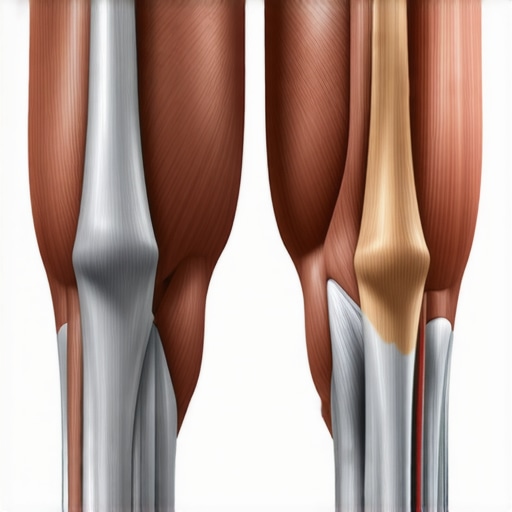
It sounds odd, doesn’t it? Calves are just those little muscles at the back of your lower legs. But here’s the kicker: tight calves can create a chain reaction up your legs, through your hips, and right into your lower spine. When calves are restricted, they pull on the Achilles tendon and influence how your ankle moves. Over time, this can lead to compensations in your gait and posture, ultimately stressing your lower back.
In fact, a study published by the Journal of Orthopaedic & Sports Physical Therapy highlights how ankle mobility directly impacts pelvic alignment, which can lead to lower back pain if neglected. Recognizing this seemingly small issue was a game-changer for me. If you’ve ever dealt with persistent lower back discomfort that doesn’t seem to respond to typical stretches or adjustments, tight calves could be part of the puzzle.
Chiropractic adjustments can do wonders in realigning your spine, but addressing the root cause like calf tightness adds a layer of relief you might be missing. I began incorporating simple mobility routines, and honestly, the relief was almost immediate.
So, are your calves to blame for lingering back pain? Maybe. And if you’re tired of temporary fixes, you’re in the right place. We’re about to dive into practical steps that can help loosen up your calves, improve your posture, and protect your lower back for good.
Thinking this might be too simple to work? You’re not alone.
I used to dismiss calf stretches as just a warm-up for athletes—until I made the mistake of ignoring chronic tightness early on. That mistake almost cost me months of discomfort. Trust me, small changes in mobility can unlock big improvements. Want to learn how to skip the pain and feel better in your body? Keep reading, because what I’m about to share is a game-changer.
Start with Gentle Calf Stretches
Begin by standing facing a wall, placing your hands against it at shoulder height. Step one foot back, keeping it straight, and bend your front knee to lean into the stretch. Hold for 30 seconds, feeling the tension release in your calf. Repeat with the other leg. I recall struggling with persistent back pain, and this simple stretch made a noticeable difference within days.
Incorporate Foam Rolling for Deep Relief
Use a foam roller or a sturdy tennis ball to target tight calf muscles. Sit on the floor and place the roller under your calves. Roll gently up and down, focusing on tender spots. Imagine your muscles are a tight rubber band; rolling helps gently loosen it. Once, I spent just five minutes on each calf, and I woke up feeling less stiff than I had in weeks.
Practice Active Ankle Mobility Drills
Lie on your back with legs extended. Flex your ankles to point your toes upward, then dorsiflex to point them downward. Perform 15 repetitions for each ankle. This enhances ankle flexibility, reducing compensatory mechanics that strain your back. I added these movements into my morning routine and noticed my gait became more balanced, decreasing lower back discomfort.
Adjust Your Feet During Daily Activities
Pay attention to how your feet are positioned while sitting or standing. Aim to keep weight evenly distributed or slightly forward on the balls of your feet, avoiding excessive heel loading. Think of your feet as the foundation of a building; a stable base prevents stress transfer up to your spine. Once I consciously adjusted my stance, I felt my hips and back more aligned throughout the day.
Integrate Short Mobility Breaks
Every 30 minutes, take 2-minute breaks to perform calf circles or ankle rolls. For example, while working, stand up, lift your heels, and rotate your ankles clockwise and counter-clockwise. These micro-movements prevent muscle tightness from setting in. I found that consistent short breaks kept my calves loose and my lower back pain at bay.
Prioritize Proper Footwear Choices
Wear shoes that support healthy ankle mobility, avoiding overly stiff soles. Opt for minimalist shoes or those with good arch support that promote natural movement. I replaced my rigid shoes with more flexible ones, which encouraged better calf flexibility and reduced back tension.
Get Professional Help When Needed
If tight calves persist despite these exercises, consider consulting a chiropractor experienced in mobility techniques. A targeted spinal adjustment combined with addressing muscular restrictions can accelerate your recovery. Professional guidance ensures you’re performing stretches correctly and progressing safely. I visited a specialist and learned that combining chiropractic adjustments with mobility exercises was the key to enduring relief. Learn more about chiropractic adjustments that can complement your mobility routine, ensuring a comprehensive approach to back health.
Debunking Myths: Chiropractic Adjustments Are Just Cracking Joints
Many people think that chiropractors simply perform quick joint pops to provide relief, but this is a oversimplification that overlooks the deeper expertise involved. Effective chiropractic care targets not only joint alignment but also addresses muscular imbalances and nervous system health, ensuring lasting improvements. Relying solely on the audible ‘pop’ can lead to unnecessary repeat visits without resolving underlying issues.
Why Mobility Exercises Are Not a Quick Fix
It’s a common misconception that a few stretching sessions will instantly restore perfect posture or eliminate chronic pain. The reality is that mobility improvements require consistent, targeted practice over time. Advanced techniques involve proprioception and neural adaptation mechanisms, which go beyond simple stretches. Neglecting this nuance often causes frustration and prolonged discomfort.
Thinking Posture Is Only About Sitting Upright
Many believe that standing or sitting up straight is the key to good posture. In fact, posture is a dynamic interplay of muscular strength, joint mobility, and nervous system regulation. Focusing solely on alignment without addressing muscular imbalances or mobility restrictions can limit progress. For example, weak stabilizer muscles or tight calf muscles can undermine even perfect posture positioning.
What Are the Pitfalls of Ignoring Unresolved Mobility Restrictions?
Failing to identify and treat mobility restrictions can lead to compensatory patterns that cause pain elsewhere — commonly in the lower back or shoulders. For instance, a tight ankle restricts gait, forcing the hips and lower back to compensate, which can worsen over time. Experts like Dr. Kelly Starrett emphasize that overcoming these ‘hidden’ restrictions is vital for sustainable health and mobility, supported by research showing the importance of integrated joint function. To deepen your understanding, explore how [mobility boosts](https://quackersneck.com/mobility-hacks-simple-adjustments-for-a-more-active-life) can complement your posture and chiropractic routines.
Always look beyond surface solutions. Combining chiropractic adjustments with targeted mobility training ensures you address the root causes of pain rather than just masking symptoms. This comprehensive approach prevents the common trap of temporary relief and promotes long-term health. For a full strategy, consider consulting a professional who understands the nuances often missed in quick fixes. Curious about how to extend these benefits? Visit [here](https://quackersneck.com/enhance-your-posture-with-expert-chiropractic-techniques-in-2025) to learn more.
Have you ever fallen into this trap? Let me know in the comments.
Maintaining long-term mobility and optimal posture isn’t just about sporadic exercises; it requires the right tools to ensure consistency and progress tracking. I’ve personally found that integrating specific equipment and software into my routine has been a game-changer in preventing setbacks and enhancing results.
Invest in Quality Foam Rollers and Massage Tools
For me, a durable foam roller with a textured surface has become indispensable. It aids in deep tissue massage, helping me target stubborn calf and hip tightness that could undermine my posture. I prefer models with firmness options, like the TriggerPoint GRID Foam Roller, because they allow customization based on muscle sensitivity. Additionally, a handheld massage ball helps me reach smaller, intricate areas, ensuring my mobility routines are thorough and effective.
Utilize Digital Tracking and Apps
Keeping track of mobility progress is vital. I use apps like ‘MobilityWOD’ or custom tracking spreadsheets to log daily exercises and stiffness levels. These tools offer visual feedback, motivate consistency, and help identify recurring issues early. As the field evolves, predictive analytics integrated into some platforms could soon advise personalized routines, making maintenance even more tailored—predicting where your tightness or weakness might re-emerge before it causes discomfort.
Adopt Biofeedback Devices
Advanced biofeedback tools, such as electromyography (EMG) sensors, monitor muscle activation in real-time. They teach me how to optimize my posture during exercises and daily activities by providing immediate feedback. Though initially expensive, these devices are becoming more accessible and can be integrated into everyday routines to prevent muscle imbalances that contribute to back pain.
Essential Maintenance Routines and Future Trends
Incorporating these tools into a daily or weekly schedule promotes lasting benefits. Looking ahead, I predict a rise in AI-driven mobility platforms that analyze your movement patterns and suggest targeted interventions—potentially integrating with smart wearables for seamless monitoring. This integration could empower us to maintain corrections proactively, not just reactively.
How do I keep mobility routines effective over time?
The key is consistency combined with utilizing the right equipment and technology. Regularly updating your tools—like swapping out foam rollers or exploring new apps—ensures your routines stay engaging and effective. Remember, adaptable strategies rooted in personalized data lead to more sustainable mobility and posture health. For a more comprehensive approach, explore how chiropractic adjustments can complement these maintenance tools to solidify your progress. Don’t hesitate to try a new technique or device this week—such as incorporating a massage ball into your daily routine—and observe how your body responds over time.
What I Didn’t Expect About Back Health and Mobility
One of the most eye-opening lessons I learned was that pain is often a symptom of deeper, hidden restrictions—like tight calves—that we overlook. Real progress came when I stopped treating symptoms and started addressing root causes, which often meant challenging my assumptions about what was ‘normal’ in my body.
I also discovered that daily consistency with mobility exercises outweighs sporadic intense workouts. Small, repeated efforts, like ankle rolls or foam rolling, gradually rewired my body’s movement patterns, leading to lasting relief and improved posture.
Most importantly, understanding that a comprehensive approach—including chiropractic adjustments, mobility routines, and mindful posture—creates a synergy that accelerates healing. Relying solely on one method is like trying to patch a leaky roof with tape—temporary at best.
My Curated Arsenal for Better Posture and Mobility
For me, a quality foam roller like the TriggerPoint GRID has been indispensable for deep tissue work—especially in calves and hips. It’s customizable and durable, making routine self-care more effective. Pairing this with digital tracking apps like MobilityWOD helps me stay accountable and monitor progress over time, ensuring I don’t slip back into old habits.
Professional resources like the chiropractic adjustments page have also been pivotal. They provided insight into how realignment combined with mobility work is the key to enduring results. Reading books such as ‘Becoming a Supple Leopard’ by Kelly Starrett offered invaluable strategies I still implement daily.
Harnessing Your Power to Change
The truth is, your body is an intelligent system capable of remarkable adaptation. Take action today by incorporating targeted mobility exercises, paying attention to your footwear, and seeking professional guidance when needed. Remember, small, consistent steps today build the foundation for a pain-free tomorrow. Curious about the impact of chiropractic care? Explore how chiropractic adjustments can solidify your progress and keep you moving with ease.