
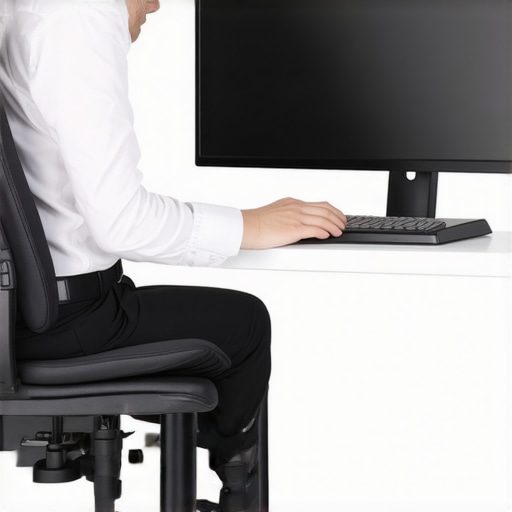
Last week, I found myself hunched over my laptop, shoulders creeping up towards my ears, neck stiff as a board. It hit me—this awkward, painful posture isn’t just a minor annoyance; it’s a signal from my body saying, “Hey, something’s off!”. We all have those moments where we realize our daily habits are quietly — and persistently — sabotaging our comfort and health. Have you ever caught yourself slouching at your desk, only to feel immediate neck tension or back pain? If so, you’re not alone, and I’ve got good news: fixing that computer hunch doesn’t have to mean hours of stretching or complicated adjustments.
The Simple Strategy to Straighten Up Without Wasting Time
Is This Actually Worth the Hype or Just Another Fad?
Let me be honest—early on, I thought posture fixes were just trendy advice you’d forget by the end of the week. I made the mistake of dismissing quick tips, assuming they weren’t effective. But then I tried a simple, intentional movement, and what happened next surprised me. Within just a couple of minutes, my neck stiffness eased significantly, and I felt a new level of awareness about my body’s position. According to a study in the Journal of Physical Therapy Science, even brief, targeted movements can dramatically improve mobility and posture when done consistently. That’s the power of small, smart adjustments.
Today, I want to share this game-changing trick—something you can do in less than two minutes to undo the damage of slouching at your desk. It’s a quick, effective way to reset your posture and alleviate discomfort, making it a worthwhile addition to your daily routine.
Ready to discover how a tiny move can make a big difference? Let’s get into the practical steps and start transforming how you sit, work, and live pain-free.
Kickstart Your Reset with a Gentle Doorway Stretch
Imagine your chest as a balloon that’s been slightly deflated from hours of slouching. To reinflate it, stand in a doorway, place your hands on the frame at shoulder height, and step forward slowly. Keep your back straight and feel the stretch across your chest and shoulders. I tried this during a busy afternoon when my shoulders felt like blocks of stone, and within a minute, I was surprised at how open and refreshed I felt. This move acts like a reset button, loosening tight muscles that pull you into poor posture.
Align Your Head and Neck with Simple Nods
Your head is like a lighthouse, and misalignment can cause waves of pain through your neck and upper back. To realign, sit upright, gaze straight ahead, and gently tilt your chin towards your chest to stretch the back of your neck. Hold for a couple of seconds, then lift your chin towards the ceiling for an anterior stretch. Repeat slowly a few times, like tuning a guitar string. I once caught myself looking down at my phone for hours, feeling the tension spike—this tiny routine broke that cycle instantly and improved my posture.
Utilize Spinal Twists for Energy and Alignment
Think of your spine as a flexible garden hose. Twisting gently can redistribute tension that accumulates from static sitting. Sit tall, cross your arms over your chest, and slowly twist your upper body to one side, holding the position for 10 seconds. Switch sides and repeat. During my first attempt, I felt a satisfying release that seemed to unwind the knots in my back, making movement smoother and less painful. This act not only promotes mobility but also signals your nervous system to stay alert and upright.
Connect Movements with Your Breathing
Deep breaths amplify the benefits. When you perform these moves, inhale as you prepare, and exhale slowly during the stretch. This rhythm enhances relaxation and helps your muscles relax into better posture. I remember doing a quick breath-and-stretch combo in my office, which felt like giving my spine a mini spa treatment—calming, refreshing, and instantly effective.
Advance with Targeted Mobility Exercises
Once you master these basic moves, incorporate more targeted routines like shoulder blade squeezes or hip openers. These exercises act like a tune-up for your entire frame, ensuring that your posture doesn’t just temporarily improve but becomes a sustainable habit. To learn more about effective techniques, check out this guide on mobility exercises.
Integrate Regularity to Keep the Posture Habit Alive
Consistency is your secret weapon. Performing these simple actions daily, even if only for a minute or two, gradually rewires your body’s default position, reducing pain and fatigue. Think of it as watering a plant; small but regular doses lead to flourishing growth. Remember, even tiny adjustments add up over time, reinforcing good habits and preventing setbacks.
 Many people believe that immediate relief from posture issues or the latest chiropractic adjustment will permanently fix their discomfort. However, this oversimplifies the complex nature of our musculoskeletal system and can lead to misconceptions. One pervasive myth is that a single adjustment or stretch can realign your entire posture long-term. In reality, true improvements require consistent, targeted efforts combined with an understanding of underlying neuromuscular patterns. Relying solely on quick fixes without addressing these root causes often results in temporary relief at best, or even worse, aggravation of existing issues. For instance, common misconceptions suggest that chiropractors can instantly cure chronic misalignments; yet, according to research published in The Journal of Electromyography and Kinesiology, sustained posture correction involves active patient engagement in mobility and strengthening routines, not passive treatments alone. Don’t fall into the trap of thinking adjustments are a silver bullet—think of them as part of a comprehensive strategy that includes movement variability, ergonomic awareness, and mind-body integration. This nuance is often overlooked, leading many to give up after a few ineffective treatments. Remember, your body adapts over time—small, consistent actions compound into significant improvements. If you want to deepen your understanding, I recommend exploring this comprehensive guide on mobility and posture. Also, be cautious about the misconception that posture fixes are instant solutions; instead, view them as ongoing processes requiring patience and persistence. Prioritizing consistent movement and corrective exercises over quick fixes can yield lasting benefits and help you avoid the common pitfalls of half-measures and false promises. Want to learn more about advanced strategies? Check out targeted mobility routines for sustainable posture improvements. Have you ever fallen into this trap? Let me know in the comments.Maintaining good posture and mobility over time requires more than just quick fixes; it involves consistent use of effective tools and techniques that support your ongoing efforts. One of my favorite devices is the **Posture Corrector Brace**, which provides immediate feedback and reminders to keep your shoulders aligned during daily activities. I personally wear mine during long sessions at my desk and have found it invaluable for ingraining better habits. Unlike generic straps, I opt for adjustable, breathable models that can be worn discreetly, allowing me to stay conscious of my posture without discomfort.
Another game-changer is a **Lumbar Roll**, placed strategically in the lower back of my office chair. This simple addition preserves the natural curve of my lumbar spine, preventing the habitual slouching that often leads to discomfort. I recommend rolling your own using a firm towels or purchasing a supportive, ergonomically designed cushion if you sit for extended periods.
On the software side, I rely heavily on mobility tracking apps like **StandUp!** which remind me to take breaks and perform quick stretches. These real-time prompts reinforce best practices and prevent me from falling into prolonged static positions. The future of posture maintenance is leaning toward integrating wearable sensors with AI-driven feedback, enabling personalized corrections and progress tracking. As research indicates, such tech can significantly improve adherence to mobility routines and sustain improvements over months or even years (see practical strategies here).
If you’re serious about long-term posture health, I urge you to incorporate a **targeted mobility tool** such as a resistance band or foam roller into your routine. Specifically, a foam roller can help release tight muscles that pull your posture out of alignment, contributing to better spinal health. I personally use mine for my thoracic back, helping me stay more flexible and pain-free. Remember, the key is consistency; make these tools a regular part of your daily routine, and over time, you’ll notice lasting improvements.
Curious about how to optimize your tools further? Check out the comprehensive guide on mobility and posture strategies for 2025 for more insights.
Now, I challenge you to try integrating a foam roller into your daily mobility routine this week. Spend just five minutes targeting your upper back to loosen stagnation and reinforce healthy habits. Small steps today can lead to big, lasting results tomorrow.
The Hidden Lessons Behind Consistent Posture Improvement
One of my most eye-opening realizations was that real posture change isn’t about quick fixes or isolated stretches; it’s about cultivating awareness and persistence. I used to believe that a single adjustment or exercise could permanently resolve my discomfort, but over time, I understood that sustainable progress comes from integrating small, intentional habits into daily life. Recognizing the importance of patience and the cumulative effect of consistent effort was a game-changer—these insights have transformed my approach and can do the same for you.
Another lesson I learned the hard way:** listening to your body is essential. Pushing through pain or ignoring subtle signals can lead to setbacks. Instead, paying attention to how specific movements or tools—like foam rollers or lumbar supports—affect your posture allows for tailored strategies. This personalized awareness accelerates progress and prevents frustration, making the journey enjoyable instead of burdensome.
Lastly, I discovered that combining education with action elevates results. Diving into reputable resources like this comprehensive guide on mobility and posture deepened my understanding and motivated consistent effort. Knowledge empowers you to make informed decisions, transforming posture correction from a chore into a proactive lifestyle choice.
Tools That Have Revolutionized My Posture Routine
Over the years, I’ve curated a toolkit that keeps my posture in check. My go-to is the **Posture Corrector Brace**—adjustable and breathable, it provides subtle reminders to hold proper alignment during long work hours. It’s like having a gentle coach guiding your every move. The **Lumbar Roll** is another staple, effortlessly preserving my lower back’s natural curve when seated, especially during extended desk sessions.
Incorporating digital tools has also been impactful. Apps like **StandUp!** prompt me to take breaks and perform quick stretches, reinforcing good habits throughout the day. As technology advances, integrating wearable sensors with AI feedback—like in upcoming posture devices—could personalize adjustments even more, as discussed in this resource. These tools make maintaining quality posture more manageable and engaging, transforming effort into sustainability.
To truly cement these habits, I recommend adding a **foam roller** into your routine, especially for releasing tension in your thoracic spine. Regular use not only improves flexibility but also prevents common misalignments caused by sedentary lifestyles. Keeping these tools within reach turns routine maintenance into a mindful, rewarding process and ensures consistent progress over the long term.
Fuel Your Posture Journey with Personalized Strategies
Remember, posture correction isn’t a destination but an ongoing adventure. Every choice—be it using helpful tools, staying active, or seeking reliable information—shapes your daily experience. By embracing consistent, informed action, you’re investing in a future where discomfort is minimized, mobility is maximized, and confidence is renewed. Don’t hesitate to explore more comprehensive strategies at this essential resource. Start small, stay committed, and witness how your posture transforms from a fleeting fix into a lifelong habit. Your future self will thank you for the effort you put in today.