
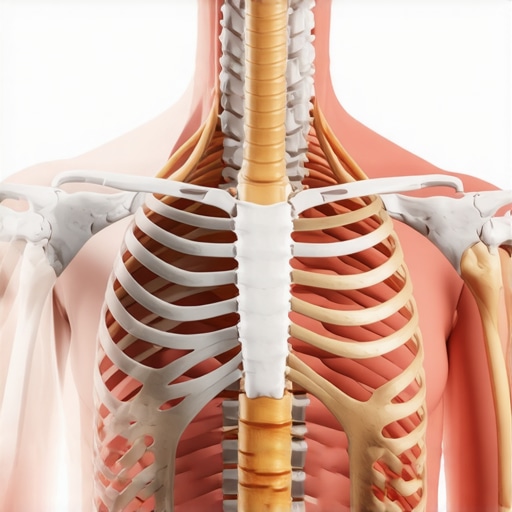
Have you ever felt like a hundred pounds are pressing down on your chest when you try to breathe deeply? I remember a moment last year, standing in front of the mirror, gasping after a simple jog. That sinking realization hit me hard — my rib cage was protruding abnormally, making every breath a conscious effort. It was frustrating, and honestly a little frightening to think that something so seemingly small could hijack my breathing like that.
Why Rib Flare Seems to Take Over Your Life
Rib flare isn’t just about appearance; it can severely impair your quality of life. When your ribs push outward, it often indicates underlying mobility and postural issues. Early mistakes I made, like ignoring my posture during daily activities, only worsened the problem. I wish I had known sooner that this isn’t just a cosmetic issue but a sign of deeper imbalances. Experts suggest that poor posture can restrict lung capacity and even lead to chronic discomfort — yes, even more reason to pay attention! For more insights, you might find this guide on mobility and posture helpful.
Is Fixing Rib Flare Really Possible?
Honestly, I doubted it at first. The mistake I made initially was believing it was permanent or something I just had to live with. Spoiler: It’s not. Through targeted chiropractic adjustments and mobility exercises, I gradually reshaped my ribcage and improved my breathing. Rest assured, with consistent effort and the right guidance, you can regain control over your posture and your breath. Want to learn how I did it? Let’s dive into the practical steps that turned things around for me — and can do the same for you.
Start with Posture Awareness
During a time I noticed my rib flare worsening, I began paying close attention to how I sat and stood throughout the day. Think of your posture as the foundation of a house; if it’s off, everything above suffers. To get started, perform a simple self-assessment by standing against a wall, ensuring your heels, buttocks, shoulders, and head touch the surface. If there’s a gap between your lower back and the wall, you’re likely compensating for poor alignment. Incorporate daily posture checks to create awareness, which is the first crucial step toward correction.
Implement Targeted Mobility Exercises
Mobilize Your Thoracic Spine
A stiff mid-back can cause compensations that contribute to rib flare. I often used a foam roller to loosen up this area, rolling gently across my upper back, aiming to increase its flexibility. Consistent mobilization improves your spine’s ability to move naturally, reducing the tendency to push your ribs outward. For detailed routines, check out this mobility regimen.
Stretch the Pectoral Muscles
Tight chest muscles can pull the shoulders forward, exacerbating rib protrusion. I incorporated doorway stretches, placing my arms on a doorframe and gently stepping forward. This stretch opens up the front of your chest, encouraging proper shoulder alignment. Daily stretching enhances your flexibility, allowing your ribs to settle into a more natural position.
Learn and Practice Corrective Breathing
Breathing poor habits reinforce rib flare. I found that shallow chest breathing kept my ribs pushed out, so I consciously practiced diaphragmatic breathing—deep breaths that expand your belly rather than your chest. To do this, place one hand on your stomach and inhale so that it rises, then exhale slowly. This practice retrains your breathing pattern, reducing the tendency to flare your ribs and supporting your core stability.
Engage in Strengthening Exercises
Weak core and back muscles often fail to support proper posture. I added targeted exercises like bird dogs and plank variations, focusing on activating deep stabilizer muscles. Think of your core as the tension in a tightly wound spring—strong and supportive. Regularly strengthening these muscles helps maintain correct rib placement during daily activities and prevents relapse into poor habits. For a comprehensive guide, explore this core strengthening strategy.
Seek Professional Help for Precise Adjustments
Sometimes, self-corrections aren’t enough, especially if structural misalignments persist. Visiting a chiropractor who specializes in postural correction can be transformative. Through gentle, targeted adjustments, the practitioner’s hands can coax your spine and ribs back into optimal alignment. I experienced immediate relief after a session, which motivated me to keep up with my exercises and stretches. To find the right support, consider reaching out to a professional via this contact page.
Maintain Consistency and Patience
Correcting significant postural issues like rib flare takes time. I made sure to integrate these steps into my daily routine, gradually noticing improvements in both appearance and breathing. Think of it as tending to a garden—you need regular care, patience, and adjustments. Keep track of your progress with photos or journaling, and don’t get discouraged if results seem slow at first. Persistent effort will yield lasting change over time.
Many individuals believe that proper posture simply involves standing or sitting upright, but this oversimplification often leads to misconceptions. One common myth is that all postural issues can be fixed with quick adjustments or stretching routines. In reality, posture is a complex interplay of mobility, muscular balance, and neuromuscular habits that develop over years. Relying solely on immediate fixes or self-administered adjustments without understanding the nuanced causes can delay genuine recovery. For instance, some think that cracking their back will ‘realign’ everything, but research indicates that many misalignments are symptoms of underlying muscular or mobility deficits rather than structural faults that can be permanently corrected with a single adjustment. Experts like Dr. Craig Buhler emphasize that targeted chiropractic adjustments, combined with mobility work and behavioral changes, are essential for sustainable improvements.
Another common trap is misunderstanding the role of mobility in posture correction. Many focus solely on strengthening muscles or stretching tight areas, but neglect the importance of joint mobility. In fact, a stiff thoracic spine or restricted hip capsules can perpetuate poor alignment despite strong muscles. Incorporating mobility exercises, like those described in this mobility routine, is often overlooked yet crucial.
So, what are some deeper nuances most overlook? Firstly, the nervous system plays a pivotal role in muscular tone and joint stability. Poor posture isn’t only about muscle tightness but also about how your brain controls your movements and habits. This is why some people see minimal results from adjustments alone; without retraining movement patterns, misalignments tend to recur.
Additionally, misconceptions about the permanence of structural changes can lead to frustration. Adjustments can provide immediate relief and realignment, but without ongoing mobility work and habit adjustments, regress is common. As Dr. Tim Kegel notes in his studies, neuroplasticity and habitual movement patterns determine long-term outcomes more than one-off treatments.
Beware of the ‘quick fix’ mentality—real improvement demands a comprehensive approach integrating local manual therapy, mobility training, and behavioral modifications. To deepen your understanding, I recommend exploring this guide on mobility and posture, which highlights the critical role of joint health in sustained correction.
Have you ever fallen into this trap? Let me know in the comments, and remember: lasting change comes from understanding the nuances that go beyond surface-level fixes.
Keeping It Working: Essential Tools for Lasting Posture Improvements
Maintaining optimal posture and mobility requires more than just awareness; it demands consistent use of effective tools and strategic maintenance routines. Over the years, I’ve found that integrating specific equipment and techniques into my daily habits has been pivotal in consolidating my progress and preventing setbacks. Let me share the tools I recommend for anyone serious about long-term posture health.
Invest in a Quality Foam Roller and Massage Balls
A good foam roller isn’t just for athletes; it’s a cornerstone of my daily mobility routine. I personally prefer a dense, high-quality roller like the firm foam roller because it effectively targets my thoracic and lumbar regions, releasing muscle tension that can stiffen over time. Complementing this, I use small massage balls to target hard-to-reach areas like the pectorals and hip flexors. Regular self-myofascial release keeps muscles supple, which is crucial in avoiding postural regressions.
Smart Use of Posture Monitoring Devices
Technology has made self-maintenance more accessible. I rely on posture tracking apps and wearables to receive real-time feedback. Devices like the Upright Go, which stick discreetly on your upper back and give vibrations when your posture slumps, serve as a gentle reminder to correct alignment during the day. Over time, these cues ingrain better habits, making good posture second nature. Research indicates that such biofeedback tools can accelerate postural correction if used consistently.
Prioritize Corrective Exercises with Guided Programs
While generic routines can be helpful, I prefer structured programs tailored to my specific needs. Platforms like targeted mobility routines provide step-by-step guidance, ensuring I perform exercises correctly and efficiently. Regularly revisiting these routines helps me track progress and adjust intensity, serving as a form of ongoing maintenance rather than a one-off fix.
Schedule Regular Professional Adjustments
Prevention is better than cure—scheduling periodic chiropractic visits ensures any developing misalignments are caught early. I make it a point to see my chiropractor every 4 to 6 weeks for precise adjustments that complement my home maintenance efforts. This combined approach ensures lasting alignment and reduces the risk of regression. For insights into how adjustments support long-term health, check out this detailed guide.
Embrace Consistency and Adaptability
No tool or routine works if inconsistent. I emphasize building habits that seamlessly integrate into my daily life. Additionally, as my body adapts, I modify tools and techniques—adding new mobility drills or increasing hold times—to continuously challenge and improve my posture. Technology like movement trackers or even simple journaling helps me stay accountable and assess what needs tuning.
Looking ahead, I believe the future of posture maintenance will be increasingly influenced by smart wearable tech and personalized routines driven by AI. These innovations will provide more precise, real-time feedback tailored to individual needs. But the core principle remains the same: consistent, strategic care keeps your posture functional and pain-free over the long haul. I encourage you to try integrating a targeted mobility routine, like the simple mobility hacks, into your daily schedule. Even a few minutes daily can lead to profound, lasting improvements.
The Hardest Lesson I Learned About Posture, Mobility, and Chiropractic
One of my biggest surprises was realizing that quick fixes don’t lead to lasting change. Early in my journey, I believed that a single chiropractic adjustment or a week of stretching could solve everything. It wasn’t until I committed to consistent daily habits—mobility exercises, mindful posture, and regular professional care—that I truly started to see and feel a difference. Patience and persistence are your best allies in this process.
My Favorite Tools That Keep My Posture on Track
I rely heavily on my foam roller and posture tracking apps to remind me to stay aligned. The foam roller, like this firm foam roller, helps release tension, especially in my thoracic spine, which tends to stiffen with sedentary work. The Upright Go, a discreet device I wear during the day, vibrates gently when I slump, reinforcing better habits. These tools make it easier to maintain progress without constant conscious effort.
Believing Less and Doing More—A Game-Changer
I used to think that simply stretching my chest or strengthening my core was enough. But I learned that understanding the root causes—like joint mobility deficits and neuromuscular patterns—is key. Instead of just aiming for quick relief, I focused on retraining my movement habits using guided routines like targeted mobility exercises. This shift from reactive to proactive made all the difference.
Are You Ready to Take Control of Your Posture?
Transforming how I approached posture and mobility shifted my life—less pain, more confidence, and a freer breath. It’s not about perfection; it’s about feeling empowered to support your body every day. Small, consistent steps—like daily stretches, mindful sitting, and periodic check-ins—build lasting change. Remember, your body is your most valuable asset, and caring for it pays dividends well beyond aesthetics.
What’s Your Next Step? Share Your Experience!
Have you ever struggled with maintaining good posture or sticking to mobility routines? Let me know your story below. If you’re ready to start or need a new perspective, explore more at this comprehensive guide on mobility and posture. Your journey to a pain-free, aligned life begins now—are you in?
**