
I remember the first time I felt that unmistakable ache creeping up my neck after a full day at my desk. It was as if my spine had become a stiff wire, protesting every minor movement. That lightbulb moment hit me hard: if I didn’t find a better way to sit, I’d be heading straight for chronic pain. Have you ever experienced that overwhelming sense of stiffness, even with what you thought were good sitting habits? If so, you’re not alone—and you’re in the right place. Today, I promise to share real, practical strategies that will help you sit comfortable for hours without sacrificing your health.
The Real Challenge: Sitting for Hours Without Damage
In my early days, I made the mistake of relying solely on ergonomic chairs and fancy cushions. Sure, they seemed helpful at first, but I soon realized that comfort isn’t just about gadgets; it’s about how your body adapts and moves throughout the day. Sitting for long stretches can create nerve impingements, muscle stiffness, and chronic postural issues—things I learned after many uncomfortable attempts to
Prioritize Movement Throughout Your Day
Start by setting a timer to remind yourself every 30 minutes to stand up and move. Walk around briefly, stretch your legs, or perform a quick mobility drill like ankle circles or hip swings. During my own workday, I once neglected this advice and felt increasing stiffness; once I implemented regular movement, my discomfort diminished significantly.
Engage in Targeted Mobility Exercises
Focus on exercises that loosen tight muscles and restore joint mobility. For example, hip-opening stretches like the pigeon pose can relieve lower back tension caused by prolonged sitting. Incorporate simple routines found at this resource to enhance flexibility. I remember dedicating five minutes daily to hip stretches, which drastically improved my sitting endurance.
Use Proper Posture with Dynamic Adjustments
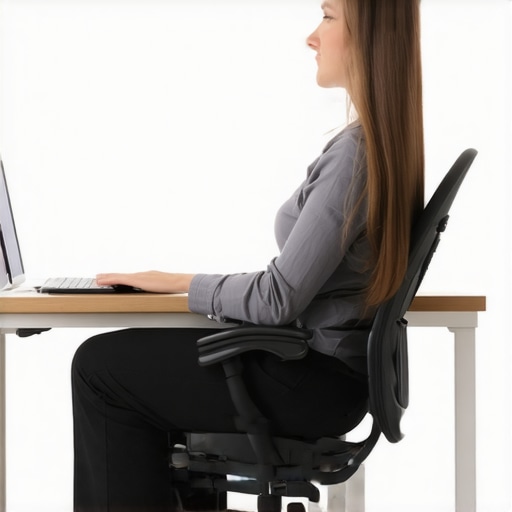
Maintain a neutral spine by aligning your ears over your shoulders and your pelvis over your knees. Think of your spine as a stack of coins; keep it upright without overextending or slumping. I once tried to force a perfect posture for hours, but it backfired, causing more discomfort. Instead, I learned to make micro-adjustments—subtle shifts that prevent fatigue and promote comfort. For detailed guidance, see this article.
Incorporate Micro-Adjustments into Your Routine
Every 10-15 minutes, tilt or rotate slightly to engage different muscles and reduce static load. For example, gently rocking your pelvis forward and back can prevent stiffness. I adopted this habit during long meetings, which helped me stay comfortable and alert.
Strengthen Your Core to Support Posture
A strong core acts like a natural brace for your spine. Focus on exercises that activate deep abdominal muscles without relying solely on crunches. Planks, for instance, engage multiple stabilizer muscles. I personally added a plank routine after noticing my mid-back fatigue, and over time, my sitting posture improved noticeably.
Balance Your Workspace Ergonomics
Ensure your chair, desk, and screen are set to promote healthy alignment. Your screen should be at eye level; your feet flat on the floor, and your knees at a 90-degree angle. Remember, ergonomic gadgets can help but are not substitutes for active movement. I experimented with different desk heights and found that alternating between sitting and standing with a sit-stand desk increased my comfort significantly. For more tips, visit this guide.
Practice Controlled Breathing Exercises
Deep, diaphragmatic breathing relaxes your nervous system and reduces muscle tension. Try inhaling slowly through your nose, expanding your belly, then exhaling fully. I integrated breathing exercises during my breaks, which helped ease tension in the neck and shoulders. For a detailed technique, see this article.
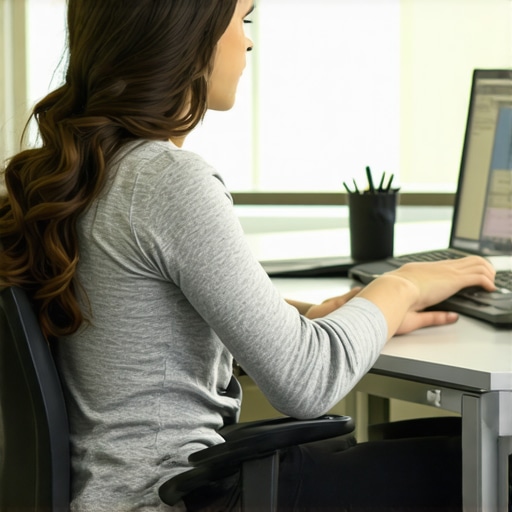 Many people believe that instant relief from pain or perfect posture can be achieved through quick fixes like cracking your back or relying solely on ergonomic gadgets. However, as an expert in mobility and chiropractic strategies, I can tell you there’s a lot more nuance involved. One widespread misconception is that chiropractic adjustments alone can permanently correct posture issues. While adjustments can be beneficial, they are most effective when combined with targeted mobility exercises and habits that promote long-term structural health. Relying solely on adjustments without active engagement often leads to a cycle of temporary relief and repeated visits—this is a common trap I advise my clients to avoid.
Another myth is that flexibility equals good mobility. Many misunderstand the difference, believing that stretching always improves posture. In reality, overstretching without strengthening the associated muscles can weaken your connective tissues and lead to instability. Instead, focus on balancing mobility with strength, especially in your deep stabilizer muscles. For advanced strategies on this, exploring this resource provides insights into proper mobility routines.
It’s also tempting to think that posture correction is solely about sitting upright all the time. But in my practice, I’ve observed that micro-adjustments and dynamic movements are far more beneficial than static corrections. Making small, consistent postural shifts throughout the day reduces static load and prevents muscle fatigue. Incorporating micro-movements, like gentle pelvis tilts or shoulder rolls, can drastically enhance comfort and spinal health.
Now, for the advanced believer asking, “How can I optimize my chiropractic and mobility plan for lasting results?” consider integrating personalized assessments and delayed loading techniques, which have been shown to enhance tissue resilience. Research suggests that a combination of controlled mobilizations and strength training produces better outcomes than either approach alone. Engaging in these holistic practices prevents the common mistake of over-relying on passive treatments.
One critical mistake I see many fall into is neglecting the importance of active recovery and self-care. Many think that once they visit a chiropractor or buy ergonomic furniture, their job is done. But the real gains come from daily habits—like mindful breathing, targeted mobility drills, and proper ergonomic adjustments. Regularly visiting a professional for guidance—such as through this comprehensive resource—ensures your strategies are tailored and effective.
Remember, true progress in posture and mobility comes from a balanced, informed approach. Do not fall into the trap of quick fixes or oversimplified solutions. Instead, embrace a comprehensive plan that combines active movement, strength, and professional guidance to maintain a resilient spine and optimal posture over time. Have you ever fallen into this trap? Let me know in the comments.
Building and maintaining good posture and spinal health isn’t a one-time effort; it requires consistent attention and the right tools. As a chiropractor and mobility expert, I’ve curated a selection of equipment and methods that I personally rely on to sustain long-term results. These tools not only empower you to take control of your health but also streamline your daily routine, making maintenance easier and more effective.
The Power of Self-Myofascial Release with Foam Rollers
One of my go-to tools is the foam roller, especially for targeting tight muscles that can subtly pull your alignment out of whack. I recommend using a high-density foam roller ( ) because it provides the resistance necessary for effective tissue release without losing shape over time. I personally use the Gaiam Essentials Foam Roller for its durability and firmness, which allows me to work on muscles like the thoracic fascia and lower back. Regularly incorporating foam rolling into your routine can help prevent adhesions and improve blood flow, making subsequent mobility exercises even more beneficial.
Smart Mobility Software for Tailored Exercise Plans
Technology has advanced to offer personalized mobility routines through apps and software. I utilize MobilityWOD (now integrated into GOWOD) because it adapts to my daily needs, providing specific drills for areas that need attention. The app assesses your range of motion and suggests targeted exercises, saving time and increasing effectiveness. As trends suggest a move towards even more personalized approaches, integrating these digital tools ensures you’re making measurable progress and maintaining motivation.
Investing in Posture-Friendly Ergonomics
Of course, tools alone aren’t enough; your workspace setup matters immensely. I recommend ergonomic accessories such as adjustable keyboard stands, monitor risers, and footrests. I’ve personally found that my ergonomic chair is only effective when complemented by these adjustments. Periodic assessments of your setup—using a mirror or even a professional consultation—help ensure your posture remains optimal, reducing strain and aiding your mobility efforts over years.
Targeted Mobility Drills with Guided Instructions
For ongoing mobility, I recommend dedicated routines like the ones on this resource. These emphasize dynamic movements that counteract the static nature of sitting. Performing such drills regularly not only sustains flexibility but also keeps your nervous system finely tuned. I advise starting with a simple daily habit—like the 30-second neck reset—to reinforce healthy patterns.
How do I maintain my progress over time?
Consistency is key, but so is adapting your tools as your needs evolve. Scheduling periodic check-ins, either with your chiropractor or through self-assessment tools, ensures you’re on track. Additionally, embracing emerging technology such as smart wearables that monitor posture can provide real-time feedback, making maintenance an active and engaging process. For example, the latest in posture-tracking devices can alert you instantly when you slouch, prompting micro-corrections that prevent long-term issues.
Remember, integrating these tools into your daily routine will compound the benefits, leading to lasting posture and mobility health. If you’re ready to take it further, try incorporating a targeted mobility drill from this resource today—and feel the difference in your next stretch or adjustment.
What I Wish I Could Tell My Younger Self About Posture
One of the hardest lessons I’ve learned is that quick fixes like popping your back or relying solely on ergonomic chairs often mask deeper issues. True progress demands consistent movement and active engagement, not just occasional adjustments. I’ve realized that understanding the nuances of my body’s responses—like how micro-movements prevent fatigue—has been a game-changer.
My Toolkit for Lasting Spinal Health
Over the years, I’ve come to trust tools like the foam roller for its ability to release tightness, and apps like mobility software that tailor exercises to my daily needs. These resources have helped me maintain flexibility while strengthening my core—proving that technology and proper tools make a difference in sustainable posture habits.
Embrace Change and Celebrate Small Wins
The journey to better posture isn’t about perfection but perseverance. Taking small, intentional steps—like adjusting your workspace ergonomics, practicing deep diaphragmatic breathing, or dedicating time to targeted mobility drills—will add up over time. Remember, consistent effort builds resilience, so start today and watch your confidence and comfort grow. Ready to move differently? Share your experience or questions below—I’d love to hear your story!