
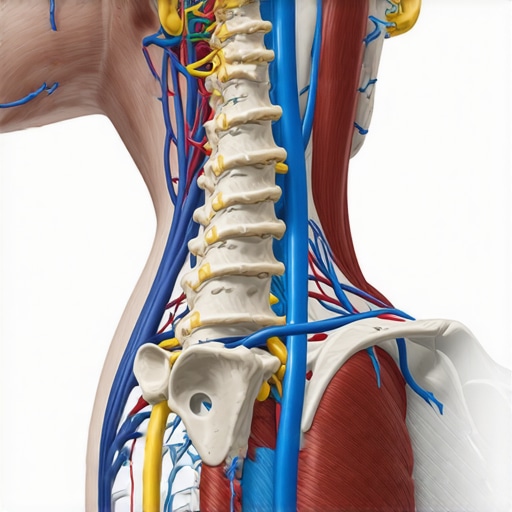
I remember the moment vividly. I was sitting in my favorite chair, minding my own business, when a sudden wave of dizziness hit me hard. I felt disoriented, like the room was spinning just out of my control. It was unsettling—guessing, panicking, wondering if I was having a serious health issue. That lightbulb moment made me realize something crucial: dizziness isn’t always about the brain or inner ear; sometimes, it stems from what’s happening in our neck.
Spotting the Link Between Neck and Dizziness
Many people brush off dizziness as a temporary inconvenience, but for some, it can be tied directly to their cervical health. Your neck, or cervical spine, isn’t just a support pillar; it houses vital nerves and blood vessels that influence your balance and spatial awareness. Misalignments, poor posture, or muscle tension here can send confusing signals to your brain, manifesting as dizziness or lightheadedness.
Sometimes, these symptoms are persistent, making daily life a challenge, while at other times they come and go without explanation. If you’ve tried various remedies without success, it might be time to consider whether your neck is playing a role.
Understanding this connection can be life-changing. It’s not about scary health scares, but rather an empowering realization that simple adjustments or targeted therapies might alleviate your symptoms. And trust me, I’ve seen firsthand how proper care can restore balance—literally and figuratively.
Are you experiencing frequent dizziness that just won’t go away? Have you noticed it worsening after long hours at your desk or after sleeping in an awkward position? You’re not alone. Many individuals overlook the neck’s role in maintaining equilibrium.
To dive deeper into how your posture and mobility can influence overall health, check out this comprehensive guide on improving mobility and posture in 2025. It’s packed with practical tips that could help you regain control and reduce dizziness.
Before jumping into solutions, I want to share a common mistake I made early in my journey. I assumed all dizziness was related to inner ear problems or dehydration. Turns out, ignoring neck health only prolonged my discomfort. Recognizing that the neck could be a culprit was a game-changer—one that set me on the right path toward effective, targeted care.
In the next section, we’ll explore some practical signs that may indicate your dizziness is linked to your cervical spine, and what steps you can take to address it.
Start with Gentle Neck Movements
Begin by slowly turning your head side to side, replicating the motion of trying to look over your shoulders. Do this in a controlled, comfortable range—avoid forcing beyond what feels safe. I personally spent a few minutes each morning doing these gentle rotations, and noticed a reduction in tension over a week. This approach helps lubricate the joints and muscles, promoting increased mobility.
Incorporate Posture Awareness During Daily Activities
Pay close attention to how you hold your head during everyday tasks, like working at your desk or scrolling on your phone. Think of your neck as the strut of a suspension bridge—if it’s misaligned, the entire structure wobbles. Regularly check that your ears are aligned over your shoulders, not jutting forward. I caught myself slouching while on a long call and adjusted my posture, which immediately alleviated some dizziness. For detailed techniques, see this comprehensive guide.
Integrate Corrective Exercises
Implement targeted mobility drills like chin tucks and shoulder blade squeezes. To do a chin tuck, gently tuck your chin toward your chest, then hold for a few seconds before releasing. Think of it as pulling a string to tuck your chin into your neck. An anecdote: I added these exercises into my morning routine, and after two weeks, my neck movement was smoother, and dizziness episodes less frequent. These exercises strengthen the cervical muscles and improve alignment.
Schedule Regular Chiropractic Adjustments
Consult with a professional who can perform precise neck adjustments. Consider it akin to tuning a musical instrument—small tweaks can create harmony in movement. When I began periodic chiropractic care, I experienced immediate relief from stiffness, and over time, my balance improved significantly. Discover how adjustments can enhance your posture and mobility at this resource.
Use Mobility Tools to Maintain Progress
Tools like foam rollers or massage balls can break down muscle tension. Position a foam roller along your upper back and gently roll in slow, deliberate motions at a comfortable pressure. It’s similar to kneading dough—fibrous tissues loosen, increasing flexibility. After incorporating this into my nightly routine, I noticed decreased muscle tightness that contributed to dizziness.
Develop an Ergonomic Workspace
Adjust your chair and monitor so that your screen is at eye level, and your feet are flat on the ground. Imagine your workspace as a cockpit—controls and screens need to be positioned for optimal control. I experimented with raising my monitor and adding a lumbar roll, which reduced neck strain and helped stabilize my posture. Explore effective workspace setups at this guide.
Be Consistent and Patient
Improving neck mobility and reducing dizziness takes time. Set aside a few minutes daily for these exercises and awareness practices. Remember, it’s like tending a garden; regular care yields the best results. Over several weeks, I observed lasting improvements that transformed my daily experience. Consistency is key to reprogramming your muscles and joints for healthier movement.
Many assume that chiropractic adjustments are a quick fix for neck and back pain, but the truth runs much deeper. One common myth is that all adjustments are equal — yet, in my experience, personalized, evidence-based techniques outperform generic tweaks. For instance, studies show that targeted mobilization combined with posture correction yields better long-term results than one-size-fits-all adjustments. This is why consulting a professional who understands the nuanced relationship between mobility and posture, as explained in this guide, can be transformative.
Another misconception revolves around the role of static stretching. Many believe stretching alone will improve posture and reduce dizziness, but data indicates that dynamic mobility exercises outperform static stretches in restoring functional movement patterns, especially when tailored to your unique biomechanics. This advanced insight underscores the importance of integrating mobility drills that address your specific limitations, as discussed in this article.
Beware of the trap of over-reliance on adjustments without addressing the underlying habits. Repeatedly, I see individuals fall into the cycle of temporary relief, only to revert to poor postural habits—like slouching while working or scrolling. This is a mistake because true progress depends on establishing sustainable comfort and movement, which involves both chiropractic care and behavioral changes. For well-rounded strategies, this resource offers actionable tips.
Ever wondered why some correction methods seem to work better for certain people? The answer lies in the complexity of individual neuromuscular systems. Advanced practitioners recognize that a comprehensive approach includes not only adjustments but also addressing proprioception and muscle pattering. As explained in this post, understanding your body’s feedback loops is crucial for lasting change.
Now, here’s a tricky question for the seasoned reader: how do subtle asymmetries in your pelvis influence your upper body posture and dizziness? The answer involves intricate biomechanical chains and is supported by recent research highlighting the impact of pelvic alignment on cervical spine health and balance (see the ultimate guide). Recognizing these hidden factors can help you craft more effective, holistic solutions.
If you’ve ever fallen into the trap of thinking that quick fixes are enough or that all adjustments are equal, you’re not alone. But remember—real progress comes from understanding and addressing these nuanced details. Have you ever encountered a situation where a small change in posture or mobility made a big difference? Let me know in the comments and share your experience!Maintaining long-term improvements in posture and mobility requires not only habits but also the right tools and consistent care. Personally, I rely on specific equipment and routines that I’ve found effective over years of practice, ensuring that progress doesn’t fade. One of my top recommendations is a high-quality foam roller, which I use daily to release muscle tension in the thoracic and cervical regions. Regular foam rolling helps break down adhesions and keeps muscles supple, preventing regressions.
For precise neck and spine adjustments, I recommend investing in a portable cervical traction device. I personally use the Achillo cervical traction device, which provides gentle, sustained stretching that supports your cervical alignment. This helps maintain the benefits gained during professional chiropractic sessions, especially when manual adjustments are less frequent. Combining this with targeted mobility exercises, like those outlined in this program, keeps my posture steady.
In the digital age, software tools also play a role. I utilize posture-tracking apps that utilize the phone’s camera to give real-time feedback. These help me correct habitual misalignments during daily tasks, ensuring I stay on top of posture corrections that could otherwise slip away.
Prediction-wise, as technology advances, I see a trend towards biofeedback wearables that not only monitor posture but also provide gentle, real-time cues via subtle vibrations. Such innovations could become mainstream, making maintenance more passive and habitual.
So, how do I sustain these improvements over time? The key lies in consistent routine and smart tools. Regularly integrating mobility hacks, like foam rolling or gentle traction, and leveraging apps or wearables to keep mindful of posture are game-changers. I encourage you to try incorporating a cervical traction device into your nightly routine—it’s an advanced tip that’s proven to reinforce long-term gains.
Remember, ongoing care is essential. Revisit core practices periodically and stay attentive to your body’s feedback. For more detailed strategies, explore this comprehensive guide on long-term mobility and posture enhancement, and watch your improvements become resilient and lasting.
What I Wish I Knew When I Started Fixing My Posture
One of the most profound lessons I learned was that real progress is a marathon, not a sprint. Consistency in daily mobility exercises and posture awareness trumps quick fixes every time. I also discovered that listening to my body’s feedback—rather than ignoring discomfort—accelerates healing and prevents setbacks. Recognizing subtle asymmetries in my movement helped me target areas that needed the most attention, transforming how I approach my health.
Additionally, I realized that the mind-body connection plays a crucial role. Mindfulness practices, combined with movement, foster a deeper awareness of habits that undermine posture. Finally, embracing a long-term perspective allowed me to appreciate small improvements, knowing they compound into significant change over time.
My Secret Arsenal for Better Posture and Mobility
I’m grateful for tools that keep my progress on track. Among them, targeted mobility exercises have been indispensable—they’re simple, effective, and adaptable. The chiropractic adjustments I incorporate regularly ensure my spine remains aligned and resilient. I also rely on educational resources that deepen my understanding of posture mechanics. Last but not least, using ergonomic accessories and posture-tracking apps helps me stay consciously aligned throughout every day, merging technology with personal care.
Believe in Your Power to Change Your Posture
Every small effort you make today builds a foundation for a healthier tomorrow. Whether you’re starting with gentle exercises, ergonomic tweaks, or seeking professional support, know that you’re capable of turning the tide. Your journey towards improved mobility and posture is unique, yet universally accessible through consistent action and a positive mindset. I encourage you to embrace this process, celebrate small wins, and stay committed. The future of your posture and mobility depends on what you choose today. What’s one small change you’re willing to try starting now? Share your thoughts below, and let’s grow together on this path to better health!