
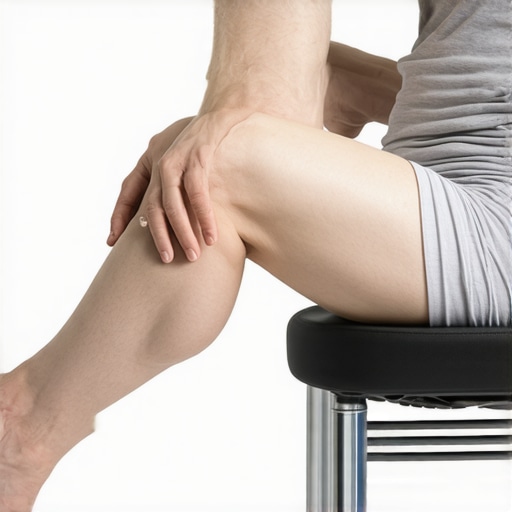
It was a typical afternoon, I was deep into my work when suddenly I felt a dull ache in my lower back that wouldn’t go away. I had been sitting cross-legged on my chair, unwittingly twisting my pelvis for years, thinking it was harmless. That was my lightbulb moment. I realized many of us, me included, often ignore how simple sitting habits can have a profound impact on our spine health.
The Hidden Damage of Sitting Cross-Legged
If you’ve ever caught yourself sitting this way during a Zoom call or binge-watching your favorite series, you’re not alone. But what you might not know is that consistently sitting with your legs crossed can quietly rotate your pelvis, leading to misalignments, discomfort, and even long-term postural issues. This habit can seem innocent, yet over time, it’s akin to twisting a loose screw repeatedly—you slowly increase the risk of bigger problems.
Research indicates that pelvic rotation from asymmetric sitting can affect not just your posture but also your overall mobility. When your pelvis isn’t level, your spinal alignment suffers, which can lead to chronic aches, reduced flexibility, and even impact your gait. I personally learned this the hard way—early on, I dismissed my discomfort as minor. But ignoring this cause only worsened my condition.
Fortunately, becoming aware of this habit opened the door to corrective strategies. Today, I’ll guide you through understanding why this tiny sitting position matters so much and, more importantly, how to break free from it to restore balance and ease.
Have you ever noticed that one side of your pelvis feels tighter or that you tend to favor crossing your legs consistently? If so, know that you’re not alone. Recognizing this pattern is the first step toward real change. For a deeper dive into how body habits influence posture, check out how chiropractic adjustments can improve posture and mobility.
Skepticism – Is This Really a Big Deal?
Maybe you’re thinking, “It’s just sitting. How could something so trivial cause real problems?” Early in my journey, I made the mistake of brushing off minor discomfort, assuming it was temporary. Turns out, small habits often lay the groundwork for bigger health issues. Learning to identify and correct even minor postural quirks packs a punch in preventing chronic pain and degenerative problems.
This awareness is crucial because, ultimately, it’s about how small daily choices shape our health. Ready to learn how to keep your pelvis and spine aligned naturally? Let’s explore the simple adjustments that can make a world of difference.
Start with Awareness and Adjustment
First, recognize when you sit cross-legged. Use a mirror or record yourself during calls to catch your habit. Once identified, consciously sit with both feet flat on the ground, distributing your weight evenly. I vividly remember the first time I caught myself compensating by leaning to one side, causing pelvic imbalance. I paused, adjusted my position, and felt immediate relief. Visualize your pelvis as a balanced seesaw—it needs equal weight on both sides to stay level.
Practice Targeted Mobility Exercises
Incorporate simple movements to free up stiff hips and pelvis. One effective exercise is the hip hinge, which mimics the motion needed to correct pelvic tilt. Stand with feet hip-width apart, hinge at the hips, and gently swing forward, then back. This stretch alleviates tension that can pull your pelvis out of alignment. I dedicated five minutes daily to these movements; gradually, I noticed my pelvis’s natural realignment improved, reducing discomfort.
Engage in Strengthening and Posture-Enhancing Activities
Building core strength stabilizes your pelvis and supports better sitting habits. Incorporate planks, bridges, and back extensions into your routine. Think of your core as the anchor that keeps your pelvis steady—it’s much more effective than passive stretches alone. I integrated a 3-minute plank into my mornings, which significantly contributed to maintaining pelvic stability during prolonged sitting periods.
Implement Ergonomic Adjustments and Regular Breaks
Set up your workspace to promote proper posture: use an adjustable chair, position your monitor at eye level, and keep your feet flat. Avoid crossing your legs by placing a footstool or wedge under your feet if necessary. Schedule short breaks every 30 minutes, during which you stand, stretch, or walk. I once ignored this advice, leading to persistent lower back ache. After adopting these ergonomic habits, my discomfort diminished notably.
Utilize Chiropractic Techniques for Lasting Alignment
Periodic chiropractic adjustments can help restore optimal pelvic and spinal alignment. A skilled chiropractor can identify subtle misalignments caused by habitual sitting positions and correct them through targeted mobilizations. This process is akin to fine-tuning a musical instrument—you notice immediate improvements. For many, including myself, regular adjustments have been a game-changer in maintaining long-term posture health. To explore these benefits, visit this resource.
Remember, changing ingrained habits isn’t instant. It requires consistency, mindful practice, and sometimes professional support. By adjusting your sitting posture, strengthening core muscles, and leveraging chiropractic care, you set the foundation for a healthier spine and a pain-free future.
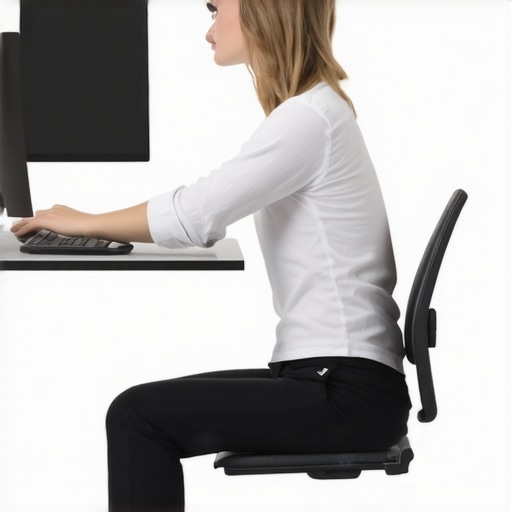 Many people assume that chiropractic care is just about quick fixes or cracking joints to relieve pain. While adjustments can provide immediate relief, the real expertise lies in understanding the nuanced mechanics of movement and posture that most practitioners overlook. Let’s dig deeper into some common myths and advanced mistakes that prevent lasting benefits.
Are All Adjustments Created Equal Or Do Some Actually Hinder Progress?
It’s a common misconception that any chiropractic adjustment will improve your health. But in reality, the quality and precision of the adjustment matter significantly. Poorly executed or overly generic adjustments can strain the joints or mask underlying issues, leading to dependency or even exacerbating misalignments. For example, studies like those published in the Journal of Manipulative and Physiological Therapeutics emphasize tailored care that considers individual biomechanics. Avoid the trap of ‘one-size-fits-all’ adjustments—seek practitioners who perform comprehensive assessments and customize their techniques.
Many believe that cracking joints is the ultimate goal of chiropractic, but in my experience, the focus should be on restoring natural mobility and correct function rather than just the audible sound. Over-reliance on manipulation without addressing mobility restrictions can lead to a cycle of quick fixes that don’t last. Learn how to combine adjustments with mobility exercises for sustainable results, as detailed in mobility hacks.
The Mistake That Blocks True Posture Improvement
One common mistake is neglecting to address the root causes of poor posture, such as muscle imbalances or movement patterns. For instance, someone may get periodic adjustments but continue to sit in the same harmful ways, undoing progress. The real key is integrating postural awareness with neuromuscular training, which I explore in this comprehensive guide. Ignoring these aspects is like trying to patch a leaky pipe without fixing the source of the leak—temporary and ineffective.
Furthermore, many overlook the importance of lifestyle habits in maintaining alignment. Simple daily changes, such as ergonomic adjustments and mindful movement, are often overlooked yet crucial. For example, rooting the seat height or adjusting your computer monitor can make a significant difference, as discussed in this article. Don’t fall into the trap of thinking adjustments alone can solve chronic issues—it’s a comprehensive approach.
Why You Might Be Wasting Time and Money Without Correct Knowledge
Many individuals invest in frequent adjustments but see little long-term improvement. This often results from not understanding the biomechanics involved or overemphasizing symptomatic relief rather than addressing underlying dysfunctions. Expert clinicians emphasize integrating chiropractic care with mobility training, strength building, and lifestyle modifications. Read more about this holistic approach at here. The goal should be to empower you with the tools to maintain long-lasting health rather than temporary fixes. Have you ever fallen into this trap? Let me know in the comments.Maintaining long-term spine health and mobility requires the right tools and consistent practices. Personally, I rely heavily on a quality foam roller, specifically the Rumble Roller, which I find indispensable for relieving muscle knots and improving my tissue quality. Unlike standard rollers, its textured surface creates a deep massage that helps break down fascia restrictions, enhancing mobility and reducing stiffness. I also incorporate a resistance band system from Rogue Fitness, which I use for targeted mobility drills like shoulder dislocates and hip openers, crucial for maintaining postural alignment over time. These tools are complemented by digital resources like the mobility hack videos that guide me through daily routines, ensuring I stay proactive rather than reactive. Looking ahead, the trend is moving towards wearable technology; I predict that in the near future, smart posture sensors and biofeedback devices will become standard in supporting spinal health, providing real-time corrections and personalized recommendations.
How do I keep my mobility systems functioning over time?
Consistency is key. Incorporating daily mobility exercises, like the targeted mobility routines I follow, helps sustain gains achieved through adjustments or chiropractic care. Additionally, scheduling periodic check-ins with a qualified chiropractor ensures that subtle misalignments are corrected before they develop into chronic issues. I also schedule quarterly maintenance sessions, much like tuning a musical instrument, to ensure the body’s biomechanics are aligned and functioning smoothly. Remember, tools alone aren’t enough; integrating them into a disciplined routine sustains long-term benefits. Consider trying out the foam roller I mentioned—using it daily can significantly alleviate tension and enhance your tissue quality, making other mobility efforts more effective. By combining these tools with professional guidance, you set yourself up for sustained wellness and improved quality of life.One of the most profound lessons I learned on my journey to better posture and spinal health is that quick fixes are only part of the story. True progress comes from understanding how small habits and consistent practices intertwine to create lasting change. The real breakthrough was realizing that addressing muscle imbalances and ingrained sitting habits required more than just occasional chiropractic visits—it demanded a holistic approach rooted in daily awareness and deliberate action.
I discovered that strengthening my core and integrating targeted mobility exercises amplified the benefits of adjustments, turning fleeting relief into sustained posture improvements. Moreover, reframing my mindset to see posture as an ongoing practice rather than a one-time fix transformed my relationship with wellness. If there’s one insight I wish I’d grasped earlier, it’s that the path to lasting spine health is paved with patience, education, and consistent effort—empowering you to truly own your well-being.
For a curated set of tools that helped me along this path, I recommend exploring the mobility hacks to keep your joints agile, the comprehensive guide to chiropractic adjustments and posture for understanding how to align naturally, and the ergonomic tips for your workspace to prevent daily strain. These resources resonated with me because they emphasize proactive habits over reactive treatments, which is exactly what led to my transformation.
Now, I invite you to reflect on your own journey. Are you ready to embrace small changes that can revolutionize your spinal health? Don’t let habit inertia hold you back. The future of your mobility and posture depends on the choices you make today—so why not start making those choices right now? Remember, every step you take toward better alignment and mobility is a step toward a more comfortable, active life.