
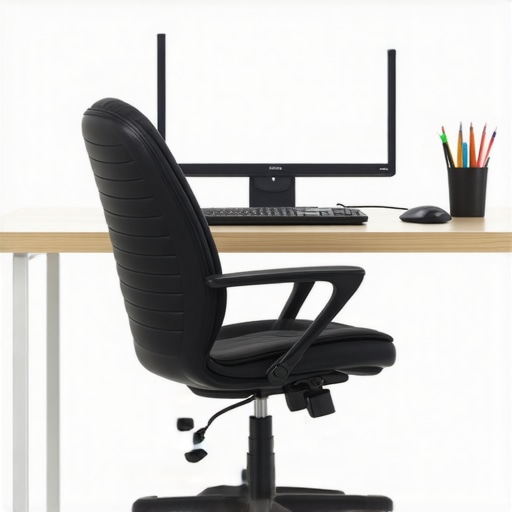
Have you ever whined in frustration after a long workday, feeling that persistent neck ache even though you’ve upgraded your chair, adjusted your monitor, and bought that fancy ergonomic keyboard? I remember the lightbulb moment quite vividly—sitting at my desk, head dropping forward like a wilted flower, my neck protesting louder than ever. Despite all my efforts, nothing seemed to improve, and I wondered, what am I missing?
Recognizing the Real Problem Behind Neck Pain
The truth is, most of us are chasing the wrong fix. We think that a new chair or taller monitor will do the trick, but often, it’s deeper—more about mobility, movement, and how our bodies are built to support us. When I first started paying close attention, I realized I was making a fundamental mistake: I was ignoring the importance of daily mobility exercises that keep your joints and muscles moving as nature intended. This oversight can turn even the best desk setup into a recipe for chronic pain.
Research confirms that repetitive postures can trap your neck in uncomfortable positions, leading to tension headaches and stiffness. When I learned that simple mobility enhancements can dramatically improve posture and reduce pain, I knew I had stumbled upon something game-changing. Want to avoid those nagging aches? We’ll explore some practical, expert-backed techniques that can transform your workday.
Is Fixing Your Posture Worth the Effort?
Early on, I was skeptical—surely, I thought, a few stretches and adjustments won’t make that much difference, right? But I had already wasted months swapping out chairs, buying lumbar supports, and still faced the same pain. The key was realizing that mobility isn’t just about stretching; it’s about unlocking your body’s natural ability to move freely. If you’re like I was, questioning whether these strategies are truly effective, just know that the right mobility exercises can be a game-changer. According to a chiropractic study, improving joint mobility reduces strain on the neck and shoulders, providing lasting relief. Curious to learn exactly what I did? Let’s dive in.
Start With Simple Mobility Checks
Begin your journey by assessing your current mobility. Sit in a comfortable position and gently turn your head side to side, then tilt it forward and backward. Notice where movement feels restricted or causes discomfort. These initial checks highlight areas needing attention.
Integrate Daily Mobility Exercises
Schedule short sessions, ideally twice daily, to perform targeted mobility exercises. One effective move is cervical rotations: rotate your head slowly to the right, hold for five seconds, then to the left. Persistently doing this can gradually free stiff joints, much like oiling a rusty hinge to restore smoothness. For a detailed routine, visit Mobility Boosts for Posture.
Use Corrective Posture Habits During Work
Adjust your desk setup to favor proper posture. Ensure your monitor is at eye level to prevent forward head tilt, which is like straining a rope in one direction repeatedly—over time, it weakens. Keep your shoulders relaxed and avoid slouching. Regularly, set a timer to remind yourself to sit upright, alternating between sitting and standing if possible.
Incorporate Gentle Stretching Routines
Stretching is vital, but it must be done correctly. Focus on gentle neck stretches: tilt your head toward each shoulder, holding for 15 seconds, avoiding any sharp pain. Think of your muscles as rubber bands—gentle pulls help them elongate without snapping. For more tailored stretches, see Revolutionize Your Posture.
Leverage Chiropractic Adjustments
Periodic chiropractic adjustments can realign your spine, resembling tuning a musical instrument to restore harmony. These adjustments improve joint mobility and reduce tension, especially in the neck and shoulders. Consider consulting a licensed chiropractor about a tailored plan. Discover how chiropractic care can instantaneously enhance mobility at Chiropractic Benefits.
Maintain Consistency for Lasting Changes
Persistence is key. Integrate these movements seamlessly into your daily routine—like brushing your teeth. Over time, your muscles and joints will respond with increased flexibility and reduced pain, transforming your posture from a source of discomfort to one of strength. Regular review of your habits ensures sustained progress, as detailed in Ultimate Mobility Guide.
Many believe that simple stretching routines, adjustable chairs, or periodic chiropractic visits are enough to combat chronic neck and back pain. However, as an expert in postural health, I’ve seen countless cases where these common interventions miss crucial nuances, leading to ineffective or even counterproductive outcomes. For example, a prevalent myth is that more mobility exercises automatically translate to better posture, but without proper technique and understanding of underlying joint mechanics, this can backfire. Exercising blindly can cause overextension or reinforce compensatory movement patterns, worsening alignment in the long run. For instance, attempting to ‘push past’ joint stiffness without adequate control can create instability, especially if muscles haven’t been conditioned properly. To avoid this trap, focus on targeted mobility that emphasizes controlled, specific movements rather than generic stretching. Additionally, many don’t realize that adjustments—whether manual or ergonomic—are only effective when complemented with functional mobility training. Relying solely on adjustments without addressing habitual postures or movement habits risks returning to the same dysfunctional patterns. An advanced reader might ask:
Why is it that some chiropractic adjustments offer immediate relief, yet symptoms return within days?
This is often due to a lack of integrated mobility work that stabilizes joint positions after an adjustment. According to a study published in the Journal of Manipulative and Physiological Therapeutics, combining joint manipulation with active movement protocols results in longer-lasting improvements in joint function and pain reduction. So, the real success lies not just in turning a screw but understanding how to maintain that alignment through daily movement and posture habits. Ultimately, unlearning entrenched dysfunctional patterns requires awareness and deliberate action. Avoid falling into the trap of expecting quick fixes; instead, adopt a comprehensive approach that integrates mobility, proper adjustments, and consistent habits. This holistic mindset can transform your posture from a source of pain into a foundation of strength—so, what are your biggest challenges with maintaining good posture during daily activities? Let me know in the comments.Maintaining good posture and mobility over time requires more than just sporadic stretches or occasional adjustments. The right tools can make a significant difference in sustaining progress and preventing setbacks. One of my favorite pieces of equipment is a high-quality foam roller, particularly the larger, dense types. I personally use the TriggerPoint GRID Foam Roller because its density allows for effective deep tissue release without collapsing under pressure, which is essential for targeting stubborn knots and fascia restrictions. Incorporating regular foam rolling sessions, especially focusing on the thoracic spine and hips, helps maintain alignment and reduces muscle tension that can reintroduce poor posture. To enhance these benefits, pairing foam rolling with mobility apps like ‘MobilityWOD’ provides guided routines tailored for each area, making consistent practice easier and more effective. I’ve observed that setting a daily 5-minute routine using these tools prevents the reoccurrence of stiffness and keeps my joints moving freely. Prediction-wise, the trend is shifting towards integrating smart technology—like wearable sensors that monitor posture in real-time—and advanced biofeedback devices that prompt corrective movements before bad habits set in. How do I maintain mobility and posture long-term? The secret lies in creating habits that are both accessible and sustainable, which is where quality tools genuinely shine. For example, a simple but impactful practice is to periodically perform targeted self-myofascial release with a foam roller, as recommended in the comprehensive guide on mobility hacks. This proactive approach ensures that your body’s architecture remains resilient, supporting consistent chiropractic adjustments and ergonomic adjustments as part of your ongoing routine. Remember, even the best tools won’t help if neglected; consistency is everything. So, I invite you to select one of these tools—like the TriggerPoint GRID foam roller—and integrate it into your daily routine today. Watch how small, deliberate efforts compound over time and keep your mobility working for you effortlessly.
Three Unexpected Lessons That Changed My Approach to Posture and Mobility
- Muscle awareness trumps generic stretching: I used to believe more stretching always meant better mobility, but I discovered that understanding which muscles need attention and how to engage them correctly is far more effective. This realization pushed me to focus on targeted exercises rather than random stretches, drastically improving my results. For practical tips, check out Revolutionize Your Posture.
- Adjustment without motion is incomplete: Manual adjustments can instantaneously relieve tension, but I learned that combining them with customizable mobility routines ensures sustained benefits. Chiropractic adjustments paired with daily controlled movements create lasting change, as confirmed by recent studies. For insights, visit How Chiropractic Adjustments Improve Mobility.
- Consistency beats intensity: Small, regular mobility practices, integrated into my daily routine, prevented setbacks much more effectively than sporadic intense sessions. The key is making mobility a non-negotiable part of each day, much like brushing teeth. If you’re seeking to build sustainable habits, explore Mobility Hacks for Daily Success.
Tools That Keep My Posture in Check
- Foam rollers: A quality foam roller, like the TriggerPoint GRID, helps me release fascia restrictions and maintain alignment. Using it regularly, especially on my thoracic spine, has transformed my flexibility. To incorporate it smoothly, I use guided routines from Mobility Boosts for Posture.
- Posture monitors: Wearable gadgets that provide real-time feedback keep me aware of my habits and prompt immediate corrections. They’re a game-changer for building muscle memory and ensuring long-term improvement.
- Mobile apps: Guided mobility exercises on apps like MobilityWOD make daily practice accessible and engaging, helping me stay consistent despite a busy schedule.
Believe in Your Posture Transformation Journey
Becoming aware of the real mechanics behind neck and back pain is liberating. It’s empowering to realize that with intentional mobility work, thoughtful adjustments, and consistent habits, you can reclaim your comfort and posture. Every small effort increases your resilience against pain and sets the foundation for a healthier, more energized life. Remember, transformation happens one deliberate step at a time. Are you ready to embrace these insights and take control of your posture today? Share your experiences or questions below—I’d love to hear how you’re planning your next move.