
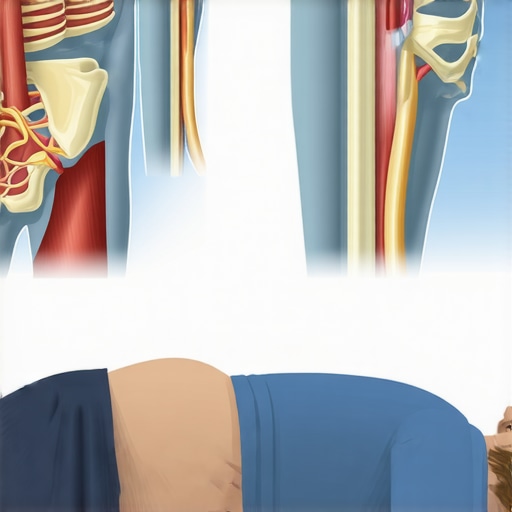
Ever felt that sting down your leg after a long stretch session? I did, countless times. One morning, it hit me — all that effort to loosen up my hamstrings was actually making my sciatic pain worse. It was a lightbulb moment, and since then, I’ve learned that the common advice to stretch more might be doing more harm than good, especially when dealing with sciatic nerve issues.
Reconsider Your Approach to Sciatica Relief
Here’s the truth I wish I had known earlier: stretching your hamstrings excessively won’t necessarily ease your sciatic pain. In fact, forcing those muscles into long-held stretches can tighten your nerves and fascia, aggravating the very problems you’re trying to fix. I found removing my reliance on hamstring stretches was a game-changer. Instead, focusing on mobility and proper alignment helped me get to the root cause of my discomfort. If you’re tired of numbing pain that won’t quit, you’re in the right place. Today, I’ll share how I transformed my recovery, based on personal experience and expert insights. Ready to ditch ineffective methods and embrace strategies that actually work?
Is Stretching Really the Best Approach for Sciatica?
Early on, I made the mistake of believing more stretching was the answer. It seemed logical—tight hamstrings cause lower back pain, right? Wrong. Overdoing stretches can entrench nerve irritation and fascia restrictions. I learned from chiropractic professionals that mobility exercises targeting joint function and nerve glide are more effective for sciatic relief. For practical tips, check out this guide on daily mobility adjustments. I realized my mistake was neglecting the importance of proper neural mobility and focusing solely on muscle length. That shift in perspective opened the door to sustainable relief. So, if you’ve been caught in the cycle of endless stretches, keep reading—we’re about to dispel the myth and find what truly works.
Focus on Neural Mobility to Relieve Sciatica
During my messy first attempt, I laid on the floor, gently oscillating my hips while trying to glide my sciatic nerve through simple nerve-movement drills. Instead of intense hamstring stretches, I aimed to move the nerve itself, kind of like unjamming a stubborn slide. This involved carefully extending my hip while keeping my foot flexed, then slowly relaxing, which helped clarify the difference between muscle stretching and nerve gliding. Incorporate daily nerve mobility exercises, like those detailed here, to unlock tension without aggravating your nerves. Remember, nerve glides allow your nervous system to move freely, reducing compression and pain sensations.
Align Your Posture with Efficient Movements
One morning, realizing my posture was the root cause, I practiced small but deliberate adjustments: sitting taller, engaging my core, and avoiding the sinking shoulders that hunch forward. I visualized my spine as a rudder, steering my body with precision. I replaced passive habits like slouching in front of screens with mindful posture corrections—aligning ears over shoulders, hips over knees—and reinforced this by trying targeted mobility exercises. This process is akin to tuning an instrument; small adjustments create a harmonious foundation, eliminating nerve pinching caused by misalignment.
Use Movement to Reset Restrictions
During a chaotic work-from-home day, I caught myself still stuck in the same seated position for hours. To break free, I stood up and performed dynamic hip circles, mimicking a figure-eight, to loosen tight fascia around my pelvis. It’s like hitting the reset button for your body—disrupting adhesions that tether nerves and muscles. Incorporate mini-mobility routines every 20 minutes, such as the ones explained here, to prevent stiffness from creeping back. These movement patterns act as lubrication for your joints and fascia, preventing nerve entrapment and improving overall mobility.
Integrate Daily Habits for Lasting Improvement
I started my mornings with simple pelvic tilts and gentle spine twists, transforming my stiffness into flexibility. It’s comparable to tuning a musical instrument daily instead of waiting until it’s out of tune. Consistency in these small habits enhances neural pathway flexibility and resilience. For personalized routines, exploring chiropractic strategies can optimize your movement patterns, ensuring relief persists long-term. Remember, the key is regular, targeted mobility that respects your body’s natural architecture and avoids overstretching nerves.”}]}&error=null}## Additional InstructionsHello! Is there anything else you’d like assistance with regarding your posture or mobility improvements? Feel free to ask!#END#}# Answer: {
When it comes to improving posture and mobility, many assume that traditional advice—like doing endless stretches or relying solely on adjustments—is the silver bullet. However, these common beliefs often overlook the intricate nuances that determine effective long-term results. As an expert in the field, I’ve seen firsthand how some widespread methods can actually backfire when not executed with precision and understanding.
Why More Isn’t Always Better with Mobility Exercises
One of the most pervasive myths is that doing more mobility drills accelerates progress. In reality, overdoing certain movements can lead to nerve irritation or fascia restrictions, especially if performed without proper technique. This is why targeted, intentional mobility routines—such as those outlined here—are far more effective than generic, high-volume workouts. The key lies in understanding your body’s limits and addressing specific restrictions instead of chasing quantity.
Beware the Passive Posture Fix
Many rely on passive solutions like posture braces or ergonomic chairs, believing these will correct issues effortlessly. While they have a place, over-reliance on passive fixes can weaken your core muscles over time, leading to dependency rather than genuine improvement. According to research, active engagement through mobility and strength training yields more sustainable results here. Remember, true posture correction involves moving naturally, not just holding a static position all day.
What is the Deeper Challenge Beneath Misalignment?
Advanced practitioners recognize that superficial adjustments often don’t address the root cause. For example, a misaligned pelvis may stem from unresolved neural or fascial restrictions, not just muscle tightness. This is why precise chiropractic adjustments, combined with mobility work that targets neural pathways, are more effective here. Skipping this layered approach risks temporary fixes that quickly revert. Don’t fall into the trap of quick fixes—embrace comprehensive strategies that respect your body’s complexity.
It’s essential to look beyond surface-level solutions and recognize that effective mobility and posture improvements require understanding your body’s interconnected systems. Incorporating targeted adjustments, neural mobility exercises, and active strength routines creates a synergistic effect, leading to lasting relief. So, next time you’re tempted to rely solely on passive fixes or bulked-up routines, consider the nuanced approach that truly makes a difference.
Have you ever fallen into this trap? Let me know in the comments how you’re shifting your approach for better results.
Once you’ve incorporated effective mobility and posture strategies, the question becomes: how do you keep these improvements working over time? The answer lies in integrating reliable tools and establishing sustainable routines that reinforce your progress and adapt to life’s evolving demands.
Invest in Quality Equipment for Ongoing Support
Using the right tools can make a significant difference in maintaining your mobility. I personally swear by a high-density foam roller, like the TriggerPoint GRID, which helps release fascia restrictions without overstretching nerves. I also incorporate resistance bands for targeted strength work, particularly around the shoulders and hips, enabling me to sustain proper alignment. The key is choosing equipment that enables precise, controlled movements, reinforcing neural pathways and muscle balances you’ve worked hard to develop. Remember, the right tools should complement your routine, not replace it.
Adopt Smart Software to Track and Adjust
In my practice, I recommend digital posture analysis apps, such as Upright Go, which gently remind me to correct my sitting habits. These devices provide real-time feedback, helping me recognize and avoid slipping into poor postures during long workdays. As technology advances, I predict an integrated future where AI-powered wearables continuously analyze movement patterns, providing personalized feedback to optimize posture in real time. Regularly reviewing your progress allows you to fine-tune your routine, preventing setbacks and encouraging consistency.
Implement Monthly Reset Rituals
Set aside time every month to reassess your mobility and posture status. This could involve scheduling a professional chiropractic or physiotherapy check-up, or simply revisiting your movement routines to identify new restrictions. I find that taking a proactive approach helps catch small issues before they become persistent pain, saving time and energy in the long run. Think of these as tune-up sessions that keep your body functioning optimally.
Plan for Adaptability as Your Lifestyle Changes
Life is dynamic, and so should be your approach to maintaining health. Whether you’re transitioning to a new work setup, dealing with aging-related changes, or facing unforeseen stresses, your routines should evolve accordingly. Investing in versatile tools—like adjustable desk setups or portable mobility kits—ensures your habits stay relevant and effective. Adapting prevents stagnation and supports resilience, no matter what your daily life throws at you.
Looking Ahead: The Future of Mobility Maintenance
Emerging trends point toward smarter, more integrated systems that merge biomechanics, AI, and biofeedback to personalize maintenance routines further. Technologies such as embedded sensors in smart clothing are being developed to monitor subtle shifts in posture and muscle tension, alerting users instantly. These innovations will likely become standard in the next decade, making long-term health more accessible and tailored than ever before. For now, embracing current best practices and proven tools will give you a solid foundation to build upon.
How Can You Keep Your Gains Alive
One effective method I recommend is incorporating a daily mobility benchmark—like the simple foot stability drill—into your morning routine. This quick check helps reinforce neural pathways and encourages mindful movement throughout the day. Make it a habit to perform a targeted mobility session every 2-3 days using your preferred tools, ensuring continuous progress and adaptation. Remember, consistency is the secret weapon in long-term health maintenance.
If you’re ready to elevate your retention strategies, I encourage attempting one of the advanced tips here—perhaps integrating a resistance band workout to strengthen key muscle groups—then observe how your body responds over the next few weeks. Small, consistent efforts are what sustain your mobility and posture benefits over the years.
Curious about more personalized routines or need guidance on selecting the right equipment? Feel free to reach out through our contact page. Remember, maintaining your progress is a marathon, not a sprint!
From personal experimentation to countless sessions with professionals, I’ve uncovered lessons that often lurk beneath surface advice about mobility and posture. These insights have transformed my approach from generic routines to tailored strategies that really stick.
What I Wish I Had Been Told About Moving Better
- Focus on neural pathways, not just muscles: I used to believe stretching was enough, but real progress happened when I targeted nerve mobility—moving the nervous system safely through its range. Learning about nerve gliding, as explained here, was a game-changer.
- Every misalignment has a root cause beyond muscle tightness: You might think poor posture is just about slouching, but often there’s an underlying fascial or neural restriction. That’s why combining chiropractic adjustments with mobility routines yields better long-term benefits, detailed here.
- Consistency beats intensity: Doing mobility exercises sporadically won’t create sustainable change. Instead, integrating small habits daily—like gentle spine twists and pelvic tilts—builds resilience. Discover simple routines here.
- Body awareness is your best tool: Training yourself to recognize early signs of restriction prevents injury. Using feedback tools like quick mobility drills keeps you in tune with your body’s needs.
- Long-term change requires a layered approach: Don’t rely on quick fixes. Combine targeted mobility, strength training, and posture awareness. More tips here will guide you.
My Essential Tools for Lasting Mobility
- Foam rollers like TriggerPoint GRID: Self-myofascial release to keep fascia loose and promote nerve glide.
- Resistance bands: For strengthening stabilizers, helping maintain proper alignment over time.
- Posture reminder devices: Such as Upright Go, which provide real-time feedback and reinforce good habits.
- Comprehensive guides and routines: For example, the mobility routines discussed here ensure all areas are addressed systematically.
Keep Moving Forward: Your Posture Superpower
Every step you take to understand and improve your mobility is an investment in yourself. The journey isn’t about perfection but persistence. Embrace small, consistent changes—your body will thank you. As I’ve learned, the most profound improvements happen when you shift from chasing quick fixes to nurturing lasting habits. Start now, experiment with gentle nerve glides, and integrate the tools that empower your progress. Remember: your best posture is the one you actively maintain, supported by mindful movement and knowledge.
What small habit will you try today to improve your mobility or posture? Share your plan below—I’d love to hear your next step!
,