

Ever had that jolt of pain after a simple step or a quick bend? I sure have. There was a time when I thought my lower back issues were just part of getting older, something I had to live with. But then, during one particularly frustrating week, I realized that my feet—the very foundation of my posture—were secretly sabotaging my stability. That lightbulb moment led me to a simple, daily habit that changed everything.
The Power of Your Feet in Back Health
It might sound counterintuitive—how can something as small as your foot influence your lower back? But here’s the truth: your feet do more than just support your body when you walk. They are the first link in your chain of posture. If they’re misaligned or unbalanced, your entire structure compensates, often leading to aches and instability in your lower back. This was a game-changer for me, and I bet it will be for you too.
Have you ever noticed how bad your sleep or daily posture affects your back? It’s a cycle that’s often overlooked.
Early on, I made the mistake of ignoring my foot health. I thought I could just stretch my back or see a chiropractor without addressing the root cause. Big mistake. Over time, I learned that a simple foot exercise could restore balance and reduce that nagging pain. According to recent research, improving foot stability can significantly enhance your overall posture and reduce lower back pain (more details here).
So, if you’re tired of patching up symptoms without addressing the cause, stick around. I’ll show you a quick 2-minute drill that you can do every day. It’s straightforward, effective, and backed by both experience and science. Ready to reset your foundation and take control of your back health? Let’s dive into the how and why of this powerful movement.
Start with Barefoot Balance Training
My first messy attempt at this was wobbling across the living room, trying to shift my weight slowly from heel to toe without tipping over. It was awkward, but within a week, I noticed my feet felt stronger, and my lower back pain reduced. To begin, find a flat, soft surface and stand barefoot. Shift your weight onto one foot, then the other, holding each side for 30 seconds. Repeat for 2 minutes daily. This simple move enhances your foot’s proprioception—your body’s sense of position—making your foundation more stable and less prone to misalignment.
Engage in Targeted Toe and Arch Exercises
Pick up small objects with your toes
One morning, I placed a towel on the floor and tried to scrunch it with my toes, mimicking how a bird uses its claws. This exercise strengthens the intrinsic muscles of your feet, supporting arch stability. Pick up small towels or marbles with your toes, hold for 3 seconds, and release. Do this for 1 minute, twice a day. Strengthening these muscles helps correct overpronation or supination, which can cascade up to affect your back posture.
Stretch your calves and Achilles tendons
I used to neglect tight calves, but after feeling that tension wrap into my lower back, I added calf stretches into my routine. Stand facing a wall, place one foot forward, and press your heel down while keeping the leg straight. Hold for 30 seconds and switch sides. Tight calves limit ankle mobility, forcing compensatory movements higher up—like in your lower back. Regular stretching improves mobility and reduces undue stress.
Implement Daily Mobility Drills
In my early days, I struggled with stiff ankles and hips, often feeling unsteady after long periods of sitting. I started with simple ankle circles and hip huggers—lifting one knee and rotating it clockwise and counterclockwise, then gently squeezing my hips side to side. These drills loosen up restrictiveness, allowing for more natural movement patterns. Spend 2 minutes each morning performing these movements. Improved mobility at the joints translates directly into better posture and less pain during daily activities.
Use a Proper Footprint and Posture Check
Once I started paying attention to how I stood, I realized I often shifted weight onto one side, creating imbalance. Stand in front of a mirror, barefoot, and observe whether your weight distributes evenly on both feet. Engage your core and gently lift your arches to prevent collapsing inward. A stable, balanced stance reduces asymmetrical stresses that strain the lower back, and practicing this posture cue even during daily chores can make a big difference.
Integrate Consistency Over Time
My own journey was messy—some days I skipped routines or struggled with focus—but sticking with these core movements gradually rewired my body. Consistency is key. Incorporate these steps into your daily habit, and over time, you’ll notice your feet becoming more resilient, your posture more upright, and your back less reactive. Remember, small, persistent adjustments lead to lasting change. For a deeper dive into improving posture through mobility, check out these practical strategies.
< >Many people believe that sticking to the basics—like regular stretches or occasional adjustments—is enough to maintain good posture. However, as an expert in mobility and spinal health, I can tell you that common misconceptions often hinder true progress. For instance, there’s a widespread myth that all chiropractic adjustments provide instant, long-lasting fixes. The reality is, adjustments can be highly effective, but only when combined with consistent mobility exercises and awareness of underlying habits. Over-reliance on adjustments alone can lead to a complacency that neglects the importance of active engagement in your posture health.
A typical trap I see with clients is assuming that once they’re ‘aligned,’ their problems are solved forever. This “set it and forget it” mindset ignores the dynamic nature of our bodies, which constantly adapt based on daily movements and postural tendencies. Continuous small habits, like targeted mobility drills, play a crucial role in maintaining long-term results. To deepen your understanding, check out how adjustments enhance your posture and mobility.
Now, let’s address a common trap: many think that wearing posture braces is a quick fix. While they can temporarily remind you to sit upright, overusing braces can weaken your core muscles over time, ultimately making your posture worse when you’re without them. Instead, focus on active solutions that empower your muscles—like specific mobility exercises and ergonomic adjustments. For example, practicing dynamic joint mobility daily can prevent stiffness and promote sustainable posture improvements. For practical tips, explore mobility boosts for posture.
What advanced nuance should you watch for? Many believe that stretching alone corrects mobility issues. But stretching without strengthening or proper motor control can be counterproductive, leading to instability or hypermobility in some joints. Instead, a balanced program combining targeted stretching, strengthening, and proprioceptive training yields the best results. Research from experts like Dr. Stuart McGill highlights that persistent postural issues often stem from functional movement deficits rather than mere flexibility problems. Read more about this approach in revolutionize your posture with targeted mobility exercises.
Beware of the ‘Oops’ factor: falling for quick fixes or neglecting the internal muscular support systems. Integrating daily mobility practices that focus on joint health and muscular balance is essential. Remember, sustained posture health is a marathon, not a sprint. Consistency, informed by expert strategies, is your best weapon.
Have you ever fallen into this trap? Let me know in the comments.
Investing in the Right Tools for Lasting Posture Improvements
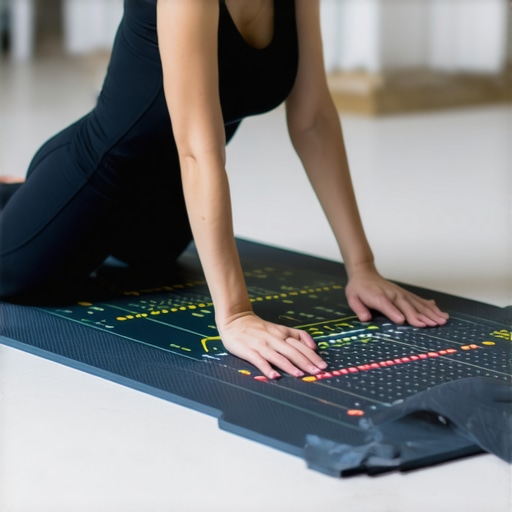
Maintaining good posture and mobility over time requires more than just exercises; it demands the right tools that support consistent progress. From ergonomic accessories to mobility equipment, choosing effective gear can significantly enhance your routine. I personally rely on a combination of targeted devices and software to stay on track. For instance, I use a biofeedback mat during my morning routines, which provides real-time data on my spinal alignment and muscle activation. This allows me to make micro-adjustments and develop awareness that sticks.
Another staple in my toolkit is a quality foam roller designed specifically for spinal and hip release. Not all rollers are created equal—those with variable density and a contoured shape help target trigger points effectively without risking overstretching or bruising. I’ve found that incorporating regular foam rolling, as recommended in several chiropractic best practices, complements mobility drills and enhances tissue flexibility. For example, this article explains why cautious foam rolling supports long-term spinal health.
How do I keep my posture tools effective over time?
Consistency is key. Set aside dedicated moments daily to review your biofeedback data or perform mobility exercises using your chosen tools. Software apps can track your progress, remind you to stay active, and adjust routines based on your recent improvements. The future of posture maintenance will likely hinge on smart, connected devices that monitor your body in real time, alerting you to subtle misalignments before they become painful. As tech advances, integration with AI-driven coaching—like personalized mobility sessions—will become more accessible. Explore practical strategies to fuse these tools effectively.
Personally, I’ve found that combining physical tools with digital feedback maximizes my results. For example, I use a smart app to log daily mobility drills, adjusting intensity as my flexibility improves. This ongoing data-driven approach helps prevent setbacks and ensures sustainability. As experts like Dr. Stuart McGill emphasize, understanding your body’s reactive patterns and employing targeted tools is essential for enduring success in posture health (see his work here).
What advanced technique can you try today?
One effective method I recommend is incorporating a biofeedback mat into your morning routine. It trains your subconscious to maintain optimal spinal alignment without conscious effort, leading to long-lasting improvements. Give it a shot—integrate this tool into your daily practice and observe how your awareness and stability strengthen over time. Remember, the key to lasting change is not just the tool but consistent application and mindful engagement.
Lessons That Shook My Approach to Posture and Mobility
One of the biggest leaps in my journey was realizing that quick fixes like surface-level stretches or relying solely on adjustments can’t undo deep-seated movement habits. It taught me to focus on building a resilient foundation through daily, targeted mobility, which often requires patience and consistency rather than urgency. I also learned that ignoring the feet’s role in posture is like trying to fix a leaking pipe without inspecting the source—you’re only treating symptoms. Lastly, the importance of internal muscular support became clear: strengthening core and foot muscles progressively is essential for lasting change, rather than quick external fixes that fade away.
My Go-To Resources for Lasting Posture Success
Over time, I leaned on a handful of tools and reading materials that truly transformed my understanding of posture and mobility. For example, practical chiropractic strategies helped me integrate movements into my daily routine seamlessly. I trust the insights from targeted mobility exercises to address specific imbalances. Additionally, keeping up with expert advice through reputable blogs like this one keeps me motivated and informed, emphasizing that sustainable progress comes from informed, deliberate actions.
Comments are closed.