

Have you ever felt that frustrating tightness in your ankles just before hitting that deep squat? I used to think it was all about core strength or just pushing through the pain. One day, during a workout, I caved into that uncomfortable feeling, only to realize I was forcing my knees and hips into a position that wasn’t meant for me. It was like trying to squeeze into jeans that no longer fit—uncomfortable, limiting, and frankly, discouraging.
The Missing Link in My Squatting Routine
What I discovered was eye-opening. The real barrier wasn’t my legs or back, but my ankle mobility. It’s a little-known secret that can make deep, pain-free squats achievable—something I wish I knew when I first started lifting seriously. Improving ankle flexibility and range of motion has transformed my ability to squat lower with comfort and confidence. And trust me, it’s not just my personal experience; experts confirm that ankle restrictions directly impact squat depth and safety (source).
Could Your Ankles Be Holding You Back?
If you’ve been struggling with shallow squats or feeling pain in your knees and hips, this may be your answer. Often, we overlook our ankles, thinking stiffness or tightness is normal or just part of aging. But the truth is, limited ankle mobility can ripple upward, causing compensations in your hips and lower back, which can lead to pain and injury. Early on, I made the mistake of ignoring my ankle restrictions, focusing only on the upper body or core. That only prolonged my issues and made my squat less effective.
Today, I’m here to share the practical steps that helped me unlock a new level of mobility and strength. We’ll explore simple, targeted mobility exercises that you can incorporate into your daily routine—because improving ankle flexibility isn’t just about squats; it’s about overall wellness and injury prevention. Ready to make a change? Let’s dive into why ankle mobility holds the key to your deepest, pain-free squats—and what you can do about it now.
Begin with Targeted Mobilization Exercises
Start by integrating specific ankle mobility drills into your daily routine. One effective move is the ankle dorsiflexion stretch, where you kneel with one foot forward, pressing your knee over your toes. This helps loosen tight calf muscles that restrict ankle movement. I remember spending a few minutes each morning doing this, initially feeling awkward, but eventually noticing my ankles feeling more flexible, which translated into deeper, pain-free squats.
Use Resistance Bands for Gentle Mobilization
Next, incorporate resistance bands to glide the ankle joint through its full range of motion. Wrap a band around your foot’s arch, pull it gently in different directions, and perform controlled movements like circles. This method mimics professional chiropractic techniques, providing a gentle nudge to release joint restrictions. I personally found that dedicating five minutes daily with bands made a visible difference in both ankle mobility and overall squat depth.
Incorporate Dynamic Stretching and Activation Drills
Follow static stretches with dynamic movements such as ankle circles, heel raises, and toe taps. These activate soft tissues and promote blood flow, vital for maintaining mobility gains. While performing heel raises on a stair edge, I felt a burning sensation, but it was the kind that indicated my calves and ankles were waking up and getting ready for bigger movements. Ensuring these are part of your warm-up prepares your ankles for deeper squats without pain.
Integrate Foam Rolling and Soft Tissue Work
Address tight calf muscles and Achilles tendons with foam rolling. Position the roller just below the knee, rolling from the ankle toward the knee to release adhesions. Think of this as fine-tuning the soft tissues, similar to an expert chiropractic adjustment. During my first session, I was surprised at how tender some spots were, but after consistent rolling, the tension eased, allowing greater ankle dorsiflexion during squats.
Schedule Regular Range of Motion Checks
Periodically test your ankle flexibility by performing the Wall Ankle Reach Test: standing facing a wall, knees bent, and toes close to the wall without lifting heels. If your toes can touch the wall comfortably, your mobility is improving. Keep track of your progress; I kept a journal, noting improvements that motivated me to stay consistent. Small increases in dorsiflexion significantly reduced knee and hip discomfort during squats.
Revise Your Squat Technique with Mobility Insights
Finally, adjust your squat form based on your mobility level. Use cues like shifting weight slightly forward to ensure your ankles aren’t over-stressed. Visualize your ankles as hinges that need to move freely—without this, compensations occur elsewhere, risking injury. After applying these steps, I experienced a breakthrough: deeper, more stable squats, and a reduction in joint discomfort, which propelled my confidence and training progress.
Remember, improving ankle mobility isn’t an overnight fix. Consistency and mindful practice of these techniques will unlock better movement patterns and safeguard your joints. Want more tips? Dive into practical methods like targeted mobility exercises for lasting results.
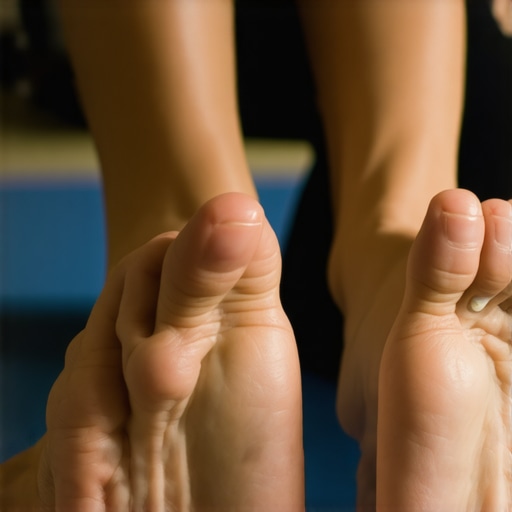
When it comes to posture and spinal health, a common misconception is that a quick adjustment or a single stretch can fix longstanding issues. Many believe that chiropractors or corrective devices hold all the answers, but in reality, this oversimplification often leads to frustration rather than lasting improvement. Understanding the nuanced interplay between mobility and posture is crucial, and it requires moving beyond surface-level fixes.
Myth Busting: The Quick Fix Fallacy
A prevalent myth is that chiropractic adjustments provide an immediate or permanent correction to poor posture. While adjustments can offer relief and improve joint mobility temporarily, they are not a stand-alone solution. Relying solely on adjustments without addressing underlying mobility restrictions or muscular imbalances can result in short-lived benefits or even reliance on frequent visits. According to research in the chiropractic community, sustainable posture improvement depends heavily on proactive mobility training and soft tissue work.
Another common trap is the overemphasis on static stretches, which many think will lengthen tight muscles permanently. However, static stretching often fails to address the root cause—restricted joint mobility and compensatory movement patterns. Incorporating dynamic mobility exercises, as outlined here, leads to more effective and lasting outcomes.
Where Many Go Wrong in Mobility Practice
One of the most overlooked nuances is the quality and consistency of mobility work. Doing a few stretches randomly or intensively on only certain days creates gaps and can even exacerbate imbalance. Instead, integrating targeted mobility drills into daily routines helps reinforce proper movement patterns, reducing strain and injury risk. Moreover, many practitioners neglect soft tissue releases, such as foam rolling, which can unlock restrictions and allow better movement—think of this as lubricating the joints and tissues to facilitate good posture.
It’s also vital to recognize that posture isn’t only about joint angles; it’s about the movement quality and neuromuscular control. Improving this requires a holistic approach—combining mobility, strength training, and awareness—rather than isolated adjustments or passive stretching.
Questions for the Advanced Practitioner
Ever wondered why some people maintain excellent posture despite minimal chiropractic visits? The answer often lies in their consistent mobility and soft tissue management, which create a resilient foundation. Also, understanding the neuromuscular mechanisms behind posture can unlock more personalized strategies for long-term health. For deeper insights, check out this resource.
Remember, the key is consistency and a comprehensive approach—don’t fall into the trap of quick fixes or paying exclusive attention to superficial symptoms. Instead, embrace a nuanced understanding of posture dynamics, integrating mobility, soft tissue work, and mindful movement. Your spine will thank you.
Have you ever fallen into this trap? Let me know in the comments.
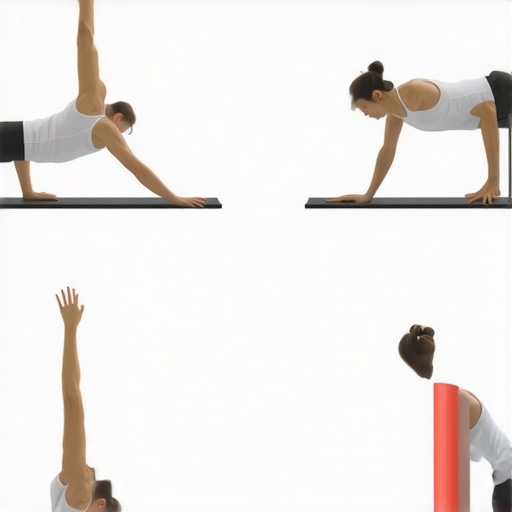 Maintaining optimal posture and mobility requires the right tools and consistent effort. Over the years, I’ve tested various equipment and methods to ensure long-term improvements and to support scalable progress. One of my favorites is a high-quality foam roller, specifically the ROFAYE foam roller, which offers firm yet forgiving texture. I personally use it daily to perform my soft tissue work, especially around the calves and lumbar region, as it helps release adhesions and enhances joint mobility, making subsequent adjustments more effective. Another indispensable tool is the resistance band set from Gymreel, designed with multiple attachment points. These bands allow me to perform dynamic mobilization drills targeting tight hips and shoulders, essential for both daily maintenance and rehab. Incorporating targeted mobility routines with these bands accelerates tissue healing and reinforces healthy movement patterns, aligning with recent studies on soft tissue work improving joint function (source). Software-wise, I rely heavily on the Upright GO postural trainer app, which provides real-time feedback and reminders to maintain alignment during work sessions. It’s like having a coach glance over your shoulder and correct your posture instantly. Looking ahead, I predict that wearable tech integrating biofeedback will become more sophisticated, offering personalized mobility plans based on real-time data, making maintenance even more intuitive.
How do I maintain my posture and mobility over time?
Consistency is key. I set specific daily routines—morning mobility drills with resistance bands, mid-day soft tissue releases using my foam roller, and periodic posture checks with the app. Additionally, I schedule monthly chiropractic sessions to fine-tune joint function and address any emerging restrictions, ensuring my body stays balanced and resilient. Remember, no single tool can do all the work, but combining targeted equipment with disciplined habits creates a sustainable approach. If you’re serious about long-term results, I recommend trying my favorite foam roller and integrating mobility exercises regularly, as they have transformed my posture and prevent issues before they escalate. To get more detailed guidance, explore strategies outlined in this article. Maintaining these habits will keep your spine, joints, and soft tissues working harmoniously, supporting your daily activities and athletic pursuits for years to come.
Throughout my fitness journey, I realized that the key to achieving pain-free, deeper squats was often just out of sight—my ankles. This simple yet transformative insight revolutionized my approach to mobility and strength training. By focusing on targeted ankle exercises and soft tissue work, I uncovered a secret that many overlook, leading to not only improved squat depth but also enhanced overall posture and joint health.
Lessons That Changed My Perspective on Movement
- Mobility Is the Foundation: I learned that real progress begins with understanding and improving joint mobility before pushing into more advanced movements. Neglecting ankle flexibility created compensations elsewhere, risking injury and limiting performance.
- Consistency Over Intensity: Regularly incorporating simple mobility drills yielded steady gains. It’s not about rushing through workouts but about nurturing your body’s natural range of motion over time.
- Soft Tissue Work Matters: Foam rolling and resistance band mobilizations addressed hidden restrictions that static stretching alone couldn’t remedy. These techniques unlocked new movement possibilities and comfort.
- Listening to Your Body: Paying attention to subtle signs of stiffness or discomfort allowed me to tailor my mobility routine, preventing setbacks and building resilience. Personal experience showed that small daily efforts pay off in big leaps.
- Holistic Approach Is Key: Combining ankle mobility, soft tissue release, and technique adjustments created a synergy that transformed my squatting ability and overall posture. It’s a reminder that good movement stems from integrated care, not isolated fixes.
My Favorite Tools to Keep Moving Forward
- Targeted mobility exercises: These provide a structured approach to improving joint function and can be adapted to individual needs, making lasting difference.
- Soft tissue work with foam rollers and resistance bands: Trusted for releasing tension and addressing restrictions that static stretches might miss, leading to greater freedom of movement.
- Professional guidance from experts: Combining self-care with professional insights creates a comprehensive plan tailored to your unique body mechanics.
- Educational resources and continuous learning: Staying informed about the latest mobility research empowers you to refine your routines and prevent stagnation.
Keep Moving Toward Your Best Self
Remember, unlocking your deepest, pain-free squats is a journey rooted in patience, consistency, and a willingness to explore your body’s potential. Embrace mobility as a daily practice, and you’ll find not just better squats, but a more resilient, comfortable body that supports your goals every step of the way. What small change will you start today to improve your ankle mobility? Share your plans below and let’s motivate each other to move better and live stronger.
Comments are closed.