
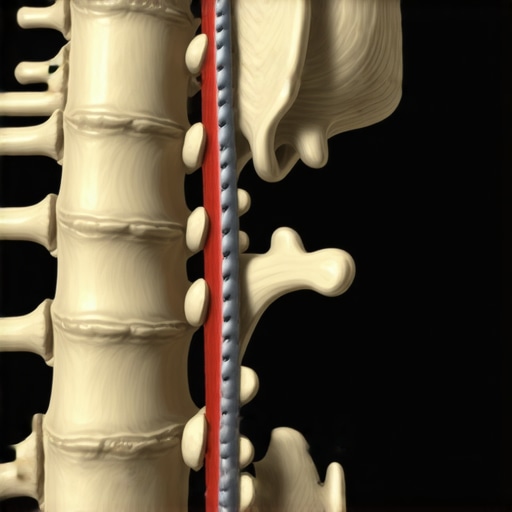
Ever Felt That sharp pain in your back and immediately thought, “My disc is shot”? I remember the first time I faced that fear. It was after a long day sitting at my desk, hunching over my computer, and suddenly, a piercing sensation shot through my lower back. Panic set in. I couldn’t help but worry—had I just caused irreversible damage? But here’s the truth I wish I knew back then: disc bulges often aren’t the monsters we make them out to be.
Many people walk around convinced that a diagnosed disc bulge spells disaster—disabling pain, limited movement, and a lifetime of misery. Yet, as I dug deeper into the field of posture, mobility, and chiropractic care, I realized that the relationship between disc bulges and pain is complicated. In fact, research shows that many people with disc bulges experience no symptoms whatsoever. An article in the Journal of Neurosurgery even found that a significant percentage of asymptomatic individuals had bulging discs visible on MRI scans.
So, what does this mean for you? It means you shouldn’t accept pain—or the fear of pain—as a definitive sign of severe spinal injury. Instead, understanding the root causes of discomfort, many of which are related to posture and mobility, can set you on a path to healing without unnecessary worry.
Are you tired of feeling anxious every time a doctor mentions a disc bulge? Do you wonder if your pain can be managed without invasive treatments? You’re not alone.
In this post, I’ll share practical insights and strategies based on real-world experience and current research to help you decode what your body is really telling you. We’ll explore how mobility, posture corrections, and mindful adjustments can make a difference—sometimes more than surgery or medication.
Let’s start by breaking down the common misconceptions and discovering what’s truly behind spinal discomforts that many dismiss as inevitable causes of pain.
Prioritize Daily Mobility Habits
Start with simple routines that loosen tight muscles and enhance flexibility. My personal experience began during a busy workweek when I committed to spending five minutes each morning performing targeted mobility exercises. This routine included gentle spinal twists and hip-opening stretches. Over a week, I noticed my back felt less stiff, and I moved with more ease. To boost your mobility systematically, explore daily mobility tips and establish a consistent practice.
Identify and Correct Poor Posture Habits
Observe your daily tendencies—do you hunch over your phone or sit slouched at your desk? I once caught myself slumping while watching TV, leading to discomfort. To fix this, set reminders to check your posture regularly, aligning your ears over shoulders and pelvis over ankles. Invest time in ergonomics, such as adjusting your chair and monitor height, to maintain proper alignment. Remember, small corrections can prevent chronic strains and support spinal health.
Implement Specific Adjustments to Hip and Spine Mobility
Focus on exercises that improve hip flexibility and spinal mobility. For instance, a 30-second hip flexor stretch can diminish pelvis tilt and alleviate lower-back stress. I incorporated this stretch during breaks, which resulted in feeling more balanced. Furthermore, practicing targeted mobility workouts, like those described here, can accelerate progress. These movements help unlock restricted joints, fostering better posture and reducing disc pressure.
Integrate Chiropractic Techniques for Lasting Results
Regular chiropractic adjustments complement your mobility efforts by realigning vertebrae and relaxing tense muscles. I booked a session after noticing persistent tightness, and the chiropractor targeted my lumbar area, releasing nerve tension and restoring proper function. To find a qualified practitioner, consider reaching out via contact page. Combining manual therapy with consistent movement routines creates a powerful synergy for back health.
Maintain Consistency and Monitor Progress
Track your habits and improvements. Keep a journal of daily exercises, posture cues, and any pain reduction. I realized that skipping exercises led to back stiffness returning within days. Incorporate variety to prevent plateaus and stay motivated. Over time, these persistent efforts will develop into habits that keep your spine resilient. Remember, enduring change requires patience and regular self-assessment.
Many believe that perfect posture means standing or sitting with an upright, rigid spine, but this is a oversimplification that can lead to overcorrecting or even causing more tension. In reality, posture is dynamic and context-dependent; aiming for relaxed stability often yields better results than striving for unnatural alignment. Moreover, some practitioners emphasize the immediate benefits of adjustments, yet overlook the importance of integrating mobility exercises that sustain long-term improvements. An advanced mistake I frequently see is the reliance on passive correction devices like braces or chairs without addressing underlying mobility restrictions, which can create dependency rather than resilience. Interestingly, a study published in the Journal of Bodywork and Movement Therapies indicates that manual therapy combined with movement therapy produces more durable improvements than adjustments alone, highlighting the nuanced synergy often missed by beginners. Are you aware of how your body’s adaptive mechanisms may be sabotaging your progress? Let’s dig deeper to challenge these myths and uncover the subtle factors that truly influence spinal health. If you’ve fallen into this trap of oversimplification or dependency on passive fixes, you’re not alone. Remember, the goal is to empower your body’s innate capacity to adapt and heal through nuanced understanding and consistent practice. For more on how mobility complements posture and adjustments, explore this guide or visit my contact page for personalized advice. Embrace the complexity, and you’ll find more effective, sustainable improvements in your spinal health.
Maintaining your spinal health over the long term requires more than just sporadic exercises or visits to the chiropractor. It calls for reliable, targeted tools and routines that fit seamlessly into your daily life. One of my go-to devices is the Foam Roller. I prefer a dense, high-quality foam roller because it effectively releases mytrapped muscle tension and fascia, especially around the lumbar and hip regions. Regular self-myofascial release not only alleviates stiffness but enhances mobility, which is crucial for preventing chronic alignment issues. For more on proper foam rolling techniques, check out this guide.
Additionally, I rely heavily on mobility apps that incorporate guided routines—particularly MobilityWOD. This app offers concise, targeted exercises proven to restore joint function and improve posture. When I was dealing with persistent hip tightness, the app’s specific drills, like hip flexor releases and spinal decompression moves, made a noticeable difference in my flexibility. I believe these digital tools will shape the future of self-care by providing accessible, personalized routines that adapt as your mobility improves.
To support my posture corrections, I use ergonomic accessories like an adjustable sit-stand desk, but I’ve learned that hardware alone isn’t enough. Supplementing with mobility tools ensures long-term results, avoiding the trap of passive reliance. As research from this article points out, combining manual therapy with active movement strategies yields the best outcomes.
Looking ahead, I predict that wearable technology will play an even larger role in posture maintenance. Devices that monitor real-time spine alignment and provide instant feedback are becoming more sophisticated. These innovations will allow us to fine-tune our habits and catch misalignments early—much like having a personal posture coach on your wrist.
How do I maintain posture and mobility over time? My secret is integrating quick, effective routines into daily breaks. For example, I recommend trying the 30-second neck reset during the workday. It’s a simple, highly effective move that resets nerve tension and keeps tension headaches at bay.
If you’re ready to elevate your self-care routine, I urge you to experiment with advanced mobility drills like those described here. Incorporate a mobility app or a foam roller, and observe the improvements in your daily comfort and long-term resilience. Remember, consistency is key. Start small, stay dedicated, and your spine will thank you for years to come.
As I reflect on my journey with posture and mobility, one thing stands out—the importance of embracing the nuanced truths rather than settling for oversimplified solutions. The biggest lesson I learned about back health is that quick fixes and passive devices only scratch the surface. True resilience comes from understanding your body’s complex, adaptive mechanisms and fostering habits that support long-term stability. I realized that pushing for perfect, rigid posture often leads to unnecessary tension, and that mobility and gentle adjustment are the keys to sustainable progress. Moreover, I discovered that integrating movement into daily routines—not just during dedicated sessions—is what truly sets resilient spines apart. These insights transformed my approach, and I believe they can do the same for you, shifting the perspective from dependency on passive tools to active, mindful engagement with your posture and mobility practices.