
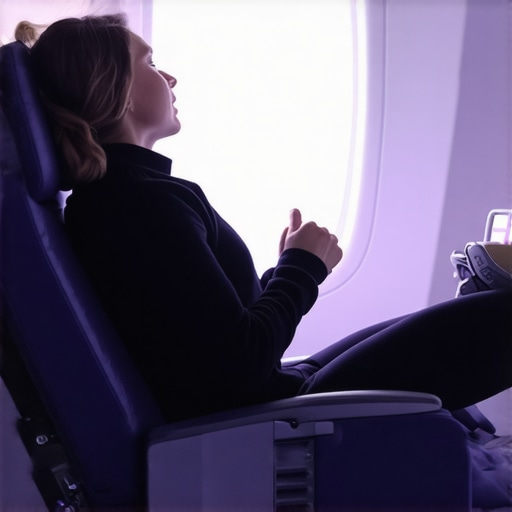
Have you ever sat in your cramped airplane seat, feeling that dull ache creeping up your lower back or the stiffness settling into your shoulders, and wondered why your body feels worse after the flight than before? I sure have. There was a trip I took a while back where I thought I was prepared — I did some stretches beforehand, or so I believed. But as I unbuckled my seatbelt at the airport, the tightness in my hips and neck felt worse than ever. That lightbulb moment hit me: not all stretches are created equal, and the order in which you perform them can make or break your comfort during a long flight.
Why Your Pre-Flight Stretching Might Be Failing You and How to Fix It
Over the years, I’ve experimented with different routines, trying to find that perfect sequence to keep me mobile and pain-free during hours on the plane. Turns out, there’s a method behind it all. If you start with stretches that target overly tight areas, only to follow up with movements that reinforce poor posture, you’re essentially wasting your time — and possibly exacerbating existing issues. I made that mistake early on, wasting precious preparation time and ending up feeling more sore after my flights. But once I learned the best order to stretch, my travel discomfort diminished significantly. Today, I want to share what I’ve discovered so you can avoid the same pitfalls and arrive at your destination feeling refreshed, not ravaged.
Is a fancy stretching routine really worth the effort?
Some skeptics argue that stretching isn’t truly effective or that it takes too much time. I used to think the same — until I realized that a targeted, properly ordered sequence doesn’t just make you feel good; it can actually improve your posture and reduce pain in the long run. One thing I initially overlooked was the importance of warming up muscles before deep stretching, which can lead to injury or increased stiffness. Incorporating gentle movements first is crucial. If you’re wondering whether all this effort is justified, remember that poor posture and tight muscles are linked to chronic issues, not just temporary discomfort. For instance, a study published in the Journal of Physical Therapy Science shows that targeted mobility exercises can significantly improve postural alignment and reduce pain over time.
Are you tired of arriving at your destination with a sore neck and aching hips? Let’s dive into the step-by-step routine that will give your body the best chance to stay supple and relaxed during those long hours in the air.
Start with Gentle Movements
Begin your routine by performing light, full-body warm-up exercises like shoulder rolls, neck tilts, and ankle circles. For example, I once started my routine with gentle arm circles in the airport lounge before my flight, which helped loosen stiff muscles. These movements increase blood flow, preparing your muscles for stretching without risking strain. Think of this as warming up a car engine—skipping this step can make deeper stretches less effective or even harmful.
Target Specific Tight Areas Strategically
Identify your main trouble spots. If your shoulders tend to hunch, incorporate chest openers and shoulder blade squeezes. For tight hips, do seated figure-four stretches. Spend about 30 seconds on each area. Remember, your goal is to reduce tension where it builds up first. I once realized my neck was stiff after I skipped targeting it, resulting in more discomfort during flights. Focusing on tight zones prevents reinforcing poor posture during your trip.
Sequence Your Stretches for Optimal Effectiveness
Order matters: start with large, global movements, then move to specific stretches. For instance, loosen your spine with cat-cow poses, then focus on hamstrings. I learned this through trial and error, noticing that stretching tight hamstrings right away often led to more lower back tightness. Think of your body as a chain—starting with the links that connect the most, then working inward brings better results. Proper sequencing ensures elongated muscles don’t contract reflexively afterward, maintaining flexibility during your travels.
Incorporate Dynamic Movements Before Deep Stretches
Dynamic exercises like leg swings or torso twists prepare your muscles better than static stretches alone. I once added leg swings before hamstring stretches, which made the subsequent stretch more effective and felt less painful. These movements increase joint mobility and activate muscles, much like warming up an engine revs it smoothly. Avoid jumping straight into deep, static stretches without warming up, as cold muscles are prone to strains.
Use Deep Breathing to Enhance Relaxation
Throughout your routine, integrate deep, diaphragmatic breathing. This process reduces stress and lowers muscle tension. During a flight I took, mindful breathing between stretches helped me stay relaxed, especially when sitting in cramped spaces. Think of breathing as releasing built-up tension, like letting air out of a balloon gradually, which makes stretching more effective and soothing.
Apply Chiropractic or Mobilization Techniques if Needed
If you notice persistent stiffness, consider gentle self-mobilization or consulting a professional. Techniques like a foam roller or a tennis ball can target deep knots—I’ve used a tennis ball against a wall to relieve lower back tightness pre-flight, yielding noticeable relief. These methods are akin to fine-tuning a machine—small adjustments can significantly improve overall function. If stiffness persists, exploring chiropractic adjustments or targeted mobility exercises can help further. Learn more about effective strategies at this resource.
Consistency and Timing Make a Difference
Perform this sequence regularly, ideally at least 15 minutes before your flight. Consistency ensures muscles adapt and become more resilient over time. I started doing this routine days before long trips, dramatically reducing post-flight soreness. Think of it as investing in a stress-release system for your body—over time, your muscles will maintain better posture and mobility with less effort during each flight.
Many assume that simply stretching or cracking their back will resolve posture issues or improve mobility, but the truth is far more complex. A common myth is that all chiropractic adjustments produce permanent results; however, without addressing underlying muscle imbalances or habitual movement patterns, gains are often short-lived. Evidence from a study in the Journal of Manipulative and Physiological Therapeutics highlights that passive treatments like adjustments need to be combined with active mobility exercises for lasting improvement. Another misconception is that aggressive cracking or deep manipulations are always better, but these can sometimes cause microtraumas if not tailored properly, especially in individuals with pre-existing conditions. The key lies in understanding that posture and mobility are dynamic, requiring ongoing, nuanced strategies rather than quick fixes. For instance, focusing solely on isolated joint adjustments without considering surrounding muscle function can lead to compensations elsewhere, worsening overall alignment in the long run. Checking the quality and consistency of your mobility routine, as emphasized in the ultimate guide to mobility and posture, ensures sustainable progress. An advanced question many have is: How do I know if my issues stem from joint restrictions or muscular weaknesses? The answer involves detailed assessment and professional guidance, which can be found in specialized chiropractic and mobility strategies. Never rely solely on popular trends or shortcuts; instead, integrate evidence-based practices tailored to your unique body. For a comprehensive evaluation and personalized plan, consider consulting experts through this contact page. Remember, genuine improvements come from understanding the nuanced mechanics of your body, not just reacting to surface symptoms. Have you ever fallen into this trap? Let me know in the comments.
Once you’ve established an effective mobility and posture routine, the next step is ensuring it remains sustainable over time. Investing in the right tools can significantly enhance your ability to maintain and scale your progress. One indispensable item I personally rely on is a foam roller. Not just for day-one releases, but as a daily maintenance device, it helps prevent muscle tightness from creeping back in. I prefer a dense, textured foam roller because it provides deeper tissue massage, which is crucial for my chest and hip areas, especially after long periods of sitting or travel.
Another tool I swear by is a resistance band, particularly for shoulder and thoracic mobility. I use it for active assistance during exercises like the wall slide or external rotation, making these movements more controlled and effective. Resistance bands are portable, affordable, and versatile, which makes them ideal for scaling your mobility routines at home or on the go.
**Digital tools also play a pivotal role in maintaining and monitoring improvements. I recommend using posture tracking apps that utilize your smartphone’s camera. These apps analyze your posture in real time and provide feedback, helping you catch subtle misalignments before they become chronic issues. Over time, integrating these digital assessments into your routine ensures you stay aware of your body’s alignment and form, even when you’re not in a professional setting.
For long-term results, consistency is key. Setting scheduled reminders on your calendar or with health apps keeps your routines top of mind. Additionally, many practitioners are now adopting virtual check-ins, allowing you to share videos of your mobility exercises. This ongoing consultation helps adjust your technique and curtail regressions, perfectly blending technology with personalized care.
How do I maintain progress in mobility and posture for the long haul?
Developing an ongoing maintenance plan involves more than just using the right equipment. It requires commitment to consistent practice and periodic reassessment of your needs. Regularly revisiting professional resources, like the comprehensive strategies outlined in this guide, offers insights into evolving your routines. Incorporating dynamic self-assessment techniques, such as those discussed in targeted mobility exercises, helps you identify emerging issues early. To elevate your ongoing maintenance, I recommend trying the 2-minute daily mobility reset—simple, effective, and easily integrated into your busy schedule. These small, consistent interventions create a resilient foundation, reducing long-term discomfort and injury risk. For personalized support or professional adjustments, don’t hesitate to reach out through this contact page. Remember, investing in the right tools and habits today ensures your posture and mobility stay strong tomorrow and beyond.
The Hardest Lesson I Learned About Mobility and Posture
One of the most eye-opening realizations came when I discovered that rushing through stretches or neglecting proper sequence could backfire. I used to think that simply doing a few random stretches before a flight was enough, but I ended up feeling worse afterward. It took trial and error, coupled with professional insights, to understand that patience and intention are key—slowly building up mobility over time is what truly makes a difference. This lesson taught me that consistent, mindful routines outperform quick fixes.
Why Relying Solely on Quick Fixes Can Worsen Your Posture
I once believed that cracking my neck or quick stretches would instantly relieve tension, but I found that these transient solutions often only masked underlying issues. Real progress comes from addressing muscle imbalances and understanding the body’s intricate connections. I’ve learned that integrating targeted mobility exercises into daily habits helps prevent the cycle of stiffness and discomfort—it’s about fostering resilience, not just temporary relief. That insight changed my approach from reactive to proactive, ensuring longer-lasting benefits.
Simple Tools That Transformed My Travel Comfort
Investing in a dense foam roller revolutionized my post-flight recovery, helping me maintain muscle elasticity and prevent tightness from creeping back in. Resistance bands became my portable companions, enabling me to keep up mobility routines anywhere. Additionally, posture tracking apps offered real-time feedback, making me aware of misalignments I wouldn’t have noticed otherwise. These tools, backed by evidence and my personal experience, empower you to sustain improvements and adapt routines seamlessly into your busy life.
Embrace the Journey: Your Body’s Potential Awaits
Remember, the path to long-term mobility and better posture is a continuous journey, not a one-time fix. With patience, consistent effort, and a curious mindset, you can transform how your body responds to long flights and daily life alike. Small, deliberate actions—like a 2-minute mobility reset—serve as powerful investments in your health. I invite you to start today, experiment with these techniques, and listen to what your body tells you. Together, we can move toward a future where discomfort no longer rules your travels or daily routines.
What’s the one mobility habit you’re excited to try first? Let me know below!
,