

There was a morning not too long ago when I reached for my coffee, only to realize my back—a sharp, familiar twinge—had decided to remind me that I had neglected my posture again. It hit me suddenly: I’ve been so eager to embrace the benefits of a standing desk that I overlooked the foundational steps to do it safely. That moment was a lightbulb, illuminating how easy it is to jump into new habits without the proper preparation and care.
Why Moving to a Standing Desk Can Feel Like a Mountain to Climb
Transitioning to a standing desk promises greater energy, better posture, and even relief from the aches that come with sitting all day. But if you’re like I was, the process can seem daunting. The fear of making things worse—developing new pains or aggravating existing ones—can hold you back from making a change for the better. And honestly, I get it. I’ve made enough mistakes early on that I can sit alongside you and share what NOT to do.
Is it Really Worth the Hype? My Skeptical Doubts and How I Overcame Them
Early on, I rushed into the switch without considering how my body adjusts. I thought that simply raising the desk and standing more would do the trick. Instead, I ended up with sore feet, a strained lower back, and a feeling of impatience. It was only after consulting experts—like chiropractors—who explained the importance of mobility and gentle adjustments, that I saw the light. A recent study from Harvard Health highlights that improper transition can actually worsen discomfort if not done carefully (source: The link between mobility and posture), reinforcing the need for a mindful approach.
If you’ve faced similar frustrations or doubts about this transition, you’re not alone. The good news is, with some simple, guided steps, you can move toward your standing desk with confidence and avoid the common pitfalls.
Let’s explore how to do just that, step by step.
Start with Gentle Mobility Exercises
Before you rise to a standing position, warm up your muscles through gentle mobility drills. I recall a morning when I spent 5 minutes doing neck rolls and hip circles—simple moves that prepared my body for the change. These exercises improve blood flow and loosen tight tissues, making the transition smoother and reducing discomfort during your first few standing hours. Aim to perform mobility movements like shoulder shrugs, spine twists, and ankle circles daily. For detailed routines, check out mobility exercises for posture.
Adjust Your Desk and Workspace
Proper desk height is crucial. Position your monitor at eye level so your neck remains in a neutral stance, not tilted up or down. When I first tried elevating my monitor, I remember the relief I felt in my upper back. Think of your body as a puppet; if the strings (your neck and back) are misaligned, everything becomes strained. Use a riser or stack books initially if needed. Ensure your keyboard and mouse are within arm’s reach to avoid reaching forward, which triggers poor posture. If your workspace feels awkward, invest in ergonomic accessories, but remember to adjust them as your body adapts.
Practice Proper Posture During Standing
Maintaining good posture isn’t just about standing tall—it’s about active engagement. Imagine your body as a well-tuned string instrument; to produce harmonious sound, tension must be balanced. Keep your feet shoulder-width apart, knees slightly bent, and pelvis tucked in. Engage your core gently, like pulling in a belt, to support your lower back. Shoulders should be relaxed, not shrugged. During my first attempt, I caught myself leaning forward, which instantly caused back fatigue. Regularly check in with mirror or record yourself; this feedback helps reinforce good habits. Want a visual reminder? See how proper alignment looks at correct standing posture.
Incorporate Micro-Movements Throughout the Day
Standing still for extended periods can be as bad as sitting all day. I learned this through trial and error—initially, I would stand rigidly for an hour, leading to discomfort. The solution was incorporating micro-movements, like shifting weight from one foot to the other, marching in place, or doing small squats. These actions prevent stiffness and encourage circulation. Think of your muscles like tensioned rubber bands; they need periodic stretching and releasing to stay flexible. Set a timer to remind yourself every 15-20 minutes to change position or stretch. For specific mobility hacks, explore mobility hacks.
Gradually Increase Standing Time
Jumping into a full day of standing can backfire, causing fatigue and pain. Instead, I followed a gradual approach: starting with 15-minute intervals, then 30, and slowly building up. This method allows your muscles and joints to adapt without overwhelming them. Use a timer or an app to track your standing periods. During my first week, I kept a log—some days I overshot my goal, leading to soreness, but I learned to listen to my body. Remember, consistency beats intensity; small, sustained steps lead to long-term success. Curious about professional advice? Read why chiropractic care helps with adapting to standing desks.
Seek Expert Guidance When Needed
If persistent pain or discomfort occurs, don’t ignore it. I once experienced lingering lower back pain after a week of standing, which prompted me to consult a chiropractor. Expert adjustments can reset your body’s alignment and alleviate chronic strain. Think of chiropractic adjustments as fine-tuning a musical instrument—they help restore harmony. Regular check-ins can prevent minor issues from escalating. For trusted professional support, reach out at our contact page and discuss your transition plan.
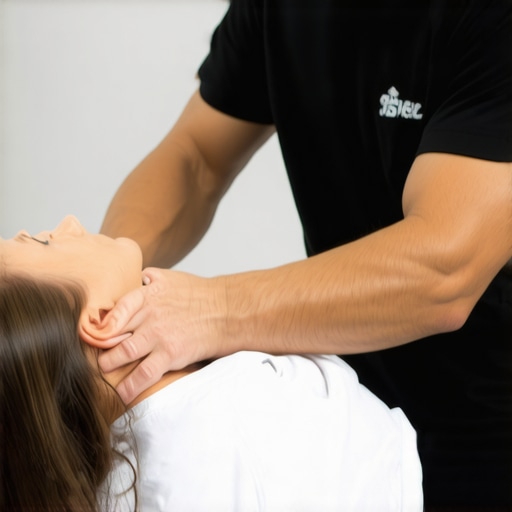 Many believe that simply stretching or cracking their joints is enough to maintain optimal mobility and posture, but in my experience, there’s much more beneath the surface. A common misconception is that all mobility exercises or adjustments are equally effective, yet the nuance lies in understanding the body’s natural mechanics and individual differences. For instance, some practitioners overlook the importance of neuromuscular control, which is crucial for sustainable improvements. According to research from the University of Pittsburgh, enhancing proprioception and neuromuscular coordination leads to better joint stability and prevents injury—a detail many miss when focusing solely on flexibility or joint release. Additionally, a widespread myth is that cracking joints provides long-term relief; however, studies show that frequent joint popping without addressing underlying muscular imbalances can cause ligament laxity, leading to instability rather than stability. This is a trap I’ve seen many fall into, thinking that pops or clicks are always beneficial. When considering chiropractic adjustments, it’s essential to recognize that they are part of a comprehensive approach rather than standalone fixes. Adjustments can reset misalignments, but without addressing postural habits or mobility deficits, the effects are temporary. Deepening your understanding of breath support and core engagement can significantly enhance postural correction and stability, as highlighted by expert chiropractor Dr. David Seaman. Be cautious of the ‘one-size-fits-all’ mindset—your body’s unique structure necessitates tailored strategies. For more insights into effective mobility routines, check out targeted mobility exercises, and to understand how adjustments work in the context of overall health, visit chiropractic adjustments and posture. Remember, the key to lasting improvement is integrating movement, awareness, and professional guidance. Have you ever fallen into this trap? Let me know in the comments.Maintaining and enhancing your posture, mobility, and spinal health over the long term requires more than just occasional stretches or adjustments. It involves using the right tools and adopting consistent routines that reinforce good habits and prevent setbacks. One of my favorite tools is a foam roller combined with targeted mobility exercises from this comprehensive routine. I personally use a 36-inch PVC pipe—a cost-effective alternative to professional-grade rollers—to release my thoracic spine after long sittings, which research from the University of Pittsburgh suggests enhances proprioception and joint stability.
Another device I swear by is a resistance band for shoulder stabilization work. Gentle pull-apart motions with a resistance band help strengthen the rotator cuff muscles, aiding in maintaining proper posture during daily activities. I recommend integrating resistance band routines into your daily mobility practice, especially before extended periods of sitting or standing.
For tracking your progress and ensuring consistency, I rely on specialized apps like *PostureScreen* or *Mobility Tracker*. These programs provide visual feedback and remind you to perform micro-movements and stretches throughout the day. Regular logging and assessment, similar to what I do weekly, help identify lingering weaknesses or postural habits that need correction.
Investing in ergonomic accessories is also critical. Adjustable monitor arms, footrests, and ergonomic keyboards allow you to customize your workspace, making sustained good posture easier to maintain. Remember, setting up your workspace correctly, as discussed at this guide, is foundational.
Looking ahead, the trend is leaning towards wearable technology—smart shirts and posture sensors that provide real-time feedback. These innovations could revolutionize how we maintain mobility and posture daily, giving us instant cues to correct misalignments before they become chronic issues.
To keep your body working optimally, try integrating a simple but effective tip: incorporate daily practice of proprioceptive exercises using a balance pad or wobble board. This enhances neuromuscular control and prepares your body for sudden movements, reducing injury risk. As always, if persistent discomfort arises, consult a professional—perhaps scheduling a session here. Incorporating these tools and habits can dramatically improve your long-term spinal health and posture stability, making every movement smoother and pain-free.
What I Didn’t Expect About Mobility’s Role in Lasting Change
Initially, I believed that chiropractic adjustments alone would fix my posture woes. But I discovered that without active engagement through targeted mobility exercises, those adjustments offered only short-term relief. The real breakthrough came when I integrated daily routines that enhanced neuromuscular control, emphasizing the importance of proactive movement. This insight transformed my approach from reactive to preventative, underscoring that true progress is a blend of professional care and consistent self-mobilization.
The Hidden Power of Small Movements in Daily Life
I used to think that only big workouts or stretches made a difference. But I realized that micro-movements—like shifting weight, gentle shoulder rolls, or ankle circles—have a profound impact on maintaining mobility and preventing stiffness. Embracing these tiny actions throughout the day not only kept me agile but also built resilience against injury, proving that consistency in simple habits can outshine sporadic intense sessions.
Resisting the urge to Overdo It Was a Game Changer
Sure, I was eager to reap the benefits of my new standing desk. But pushing myself too quickly led to soreness and frustration. The lesson? Progress is best achieved gradually. Slowly increasing standing time allowed my muscles and joints to adapt comfortably, avoiding setbacks. This patience, coupled with listening to my body’s signals, reinforced that sustainable habits trump quick fixes, especially in complex systems like posture and mobility.
My Essential Toolkit for Posture Mastery
Over time, I curated a set of trusted tools that genuinely made a difference. A foam roller and resistance bands became staples for daily self-care, aiding in muscle release and stabilization. I also rely on apps like *PostureScreen* to visualize my progress and stay accountable. These resources have empowered me to take control of my mobility, making corrective routines part of my everyday life and ensuring long-term improvements.
Your Next Step Starts Now—Make Mobility a Priority
Remember, transforming your posture isn’t about quick fixes—it’s a lifelong journey. Every tiny effort—be it mindful movement, ergonomic adjustments, or seeking professional guidance—compounds into lasting change. Embrace the process with patience and curiosity, knowing that each small step is a leap towards a more confident, pain-free body. You’ve got this. Are you ready to take that first micro-movement today? Share your thoughts below or ask questions—I’m here to support your posture revolution!
,