
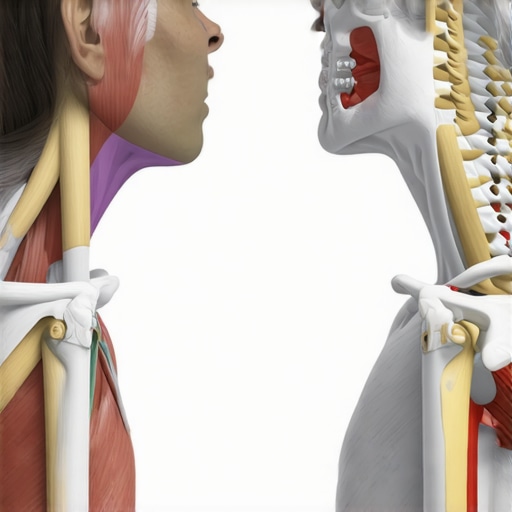
Picture this: you’re swinging a tennis racket, feeling that familiar pang in your elbow. You brace yourself, thinking it’s just the typical overuse or perhaps a strain. But what if I told you that the real culprit might be lurking elsewhere—somewhere higher up, in your neck? I discovered this shocking truth after months of frustrated treatments that went nowhere, only to realize my neck’s subtle misalignments were throwing my entire arm out of sync.
Why Your Elbow Pain Might Be More About Your Neck Than Your Tennis Swing
I’ve been there—struggling with persistent elbow pain, thinking I needed all kinds of elbow-specific rehab. But early on, I made a mistake that many folks do: I focused exclusively on my arm, ignoring my posture and cervical health. Turns out, nerve pathways stemming from the neck can send confusing signals down the arm, mimicking tennis elbow symptoms—a condition known as cervicobrachial syndrome.
Skeptical? Here’s Why This Is More Than Just Guesswork
One thing I learned the hard way: not every elbow ache is overtraining or tendinitis. Sometimes, the nerves that pass through the neck get irritated or compressed, leading to pain, tingling, and weakness all down your arm. Recognizing this changed my entire approach. Did I ignore this connection because it sounded too outlandish? Absolutely. But understanding the link was a game-changer and a reminder that we often overlook how the neck influences our entire posture and movement. For a deeper dive on how neck mobility impacts arm pain, check out this guide from a professional chiropractor.
So, if your elbow pain has been stubborn and unresponsive to usual treatments, you might ask yourself—could your neck be the real issue? If you’ve faced this kind of mystery pain, you’re not alone. The good news? There are practical steps to address this root cause, and today, I’m going to walk you through them.
Ready to uncover the truth behind your pain and regain your mobility? Let’s dive into what might be causing your elbow troubles—and how to fix it from the top down.
.
Assess Your Posture and Identify Imbalances
Start by observing how you sit and stand throughout the day. Use a full-length mirror or record yourself from the side to spot forward head posture or rounded shoulders. I once dedicated a day to monitor my daily habits, noticing how much I slouched when working at my desk. Recognizing these patterns was crucial for targeted correction.
Use a Mirror or Record Yourself
Watching yourself can reveal habits you’re unaware of. Note the angles of your head relative to your spine and whether your shoulders are creeping forward. This simple step lays the groundwork for effective adjustments, much like a builder assessing a foundation before repairs.
Create a Mobility Routine to Restore Movement
Gentle, consistent movements can unlock stuck joints and improve function. For cervical mobility, I dedicated 5 minutes daily to slow neck circles and extensions. I found that smooth, controlled motions prevented strains and enhanced comfort—think of it as oiling rusty hinges to move freely again.
Incorporate Targeted Stretches and Mobilizations
Focus on areas that influence neck alignment, such as the upper back and chest. For example, stretching the pectorals can prevent the shoulders from hunching. You might try a doorway stretch, which gently opens the front of your chest, promoting better posture. Check out this guide on pectoral stretches for detailed instructions.
Adjust Your Daily Habits to Reinforce Better Posture
Small changes can make a big difference. Keep your computer monitor at eye level, use an ergonomic chair that supports natural curves, and avoid crossing your legs for extended periods. I specifically set a timer to remind me to sit upright and took short breaks to stretch — much like tuning your car for optimal performance.
Practice Conscious Posture Checks
Periodically pause and realign yourself. Think of it as a quick mental posture audit: chin tucked slightly, shoulders relaxed, and lower back supported. Over time, this habit rewires your muscle memory for better alignment naturally.
Implement Chiropractic Techniques for Lasting Improvements
Professional adjustments can correct subtle misalignments that mobility exercises alone can’t fix. Scheduling periodic visits with a chiropractor trained in spinal and cervical adjustments can accelerate progress. I experienced immediate relief after a focused session, which felt like having a reset button pressed on my entire neck and upper back.
Seek Expert Guidance for Personalized Care
Visit this contact page to find qualified professionals in your area. They can perform targeted adjustments that restore proper nerve function and posture, acting as the final piece of your correction puzzle.
Maintain and Reinforce Your Gains Regularly
Consistency is key. Integrate mobility drills, posture checks, and occasional chiropractic visits into your routine. Think of these as ongoing tune-ups—ensuring your neck remains aligned and pain-free over the long term. I set a weekly reminder to revisit these practices, which has helped me sustain my improvements.
Finally, remember that restoring proper neck alignment is a process. Patience and persistence, combined with these concrete steps, can lead to significant relief and better overall posture—preventing future discomfort or injury. Want more expert tips? Explore this article on mobility and posture for deeper insights.
,
When it comes to posture and spinal health, many believe that simple stretches or occasional adjustments are enough to maintain optimal alignment. However, this oversimplification often leads to misconceptions, and in some cases, even setbacks. Let’s dig deeper into what most people get wrong about posture, adjustments, chiropractic care, and mobility, so you can avoid common pitfalls and truly enhance your well-being.
Why Quick Fixes Can Be More Harmful Than Helpful
One of the most pervasive myths is that chiropractic adjustments or mobility exercises provide instant, permanent solutions. While adjustments can be effective, relying solely on them without addressing underlying habits often results in a rebound effect. Your body is a complex biomechanical system, and sustained improvements require consistency and a holistic approach. For instance, ignoring daily ergonomics or neglecting muscular imbalances can negate the benefits of a chiropractic visit. Remember, adjustments are part of a bigger puzzle that includes posture awareness and movement habits. For comprehensive guidance, explore this resource on combining mobility with chiropractic techniques.
Beware of the Trap of Overemphasizing Flexibility
Another common misunderstanding is equating flexibility with good posture. Increasing your range of motion is beneficial, but over-stretching or performing joint Mobilizations without professional guidance can destabilize your spine. Flexibility without stability may lead to hypermobility, increasing the risk of injury. The goal is to balance mobility with strength. Effective strategies involve targeted strengthening exercises alongside mobility work — a nuanced approach often overlooked by beginners. If you’re interested in practical exercises, check out this post on mobility routines.
Advanced Question: How Do You Differentiate Between Natural Postural Variations and Malalignments That Require Intervention?
This is a question that even experienced practitioners ponder. Naturally, everyone has minor asymmetries; a slight tilt in your shoulders or pelvis is normal. The key is discerning whether these are harmless variations or signs of developing dysfunction. Research indicates that small asymmetries are common and don’t necessarily lead to pain or impairment (see this guide for more). Persistent pain, progressive worsening, or functional limitations are indicators that professional assessment and targeted correction are warranted. Regular posture audits, combined with expert advice, help in making this distinction. Have you ever fallen into this trap? Let me know in the comments.
In conclusion, understanding the nuanced relationship between mobility, posture, and chiropractic care is essential for long-term health. Avoid shortcuts, recognize the importance of stability alongside flexibility, and seek personalized guidance. By doing so, you’re not just fixing symptoms but cultivating resilience and foundational wellness that lasts. Want to explore this further? Visit this article on professional chiropractic strategies for more insights.
Maintaining the progress you make in posture and mobility requires the right tools and consistent habits. Over time, I’ve found that employing specific equipment and adopting targeted routines can significantly enhance long-term results. One essential item I rely on is a quality foam roller, specifically the TriggerPoint GRID Foam Roller. Its durability and textured surface allow me to perform my own soft tissue work, helping release muscle knots that often contribute to poor posture. Regular self-myofascial release with this roller keeps my muscles supple and prevents tightness from sneaking back in.
Complementing my foam rolling routine is a set of resistance bands, such as the Fit Simplify Resistance Loop Bands. These are fantastic for targeted strength exercises that stabilize the shoulder girdle and improve scapular control — crucial for maintaining upright posture. I incorporate band-assisted rows and shoulder stability drills into my daily regimen, which reinforce proper movement patterns and prevent imbalances from returning.
For digital tools, I use PostureScreen Mobile, an app that allows me to track my postural improvements over time with photos and analysis. This technology provides visual feedback, making my progress tangible and motivating consistent diligence. Investing in such software has been pivotal in understanding subtle changes and ensuring I stay on course.
Looking ahead, I believe the trend will shift toward more integrated devices that combine biofeedback with movement therapy. Wearables capable of monitoring muscle activation and providing real-time correction cues will become mainstream, making maintenance more accessible and personalized. As this technology advances, it will empower not just professionals but individuals to sustain mobility gains independently.
How do I keep my improvements going long-term?
Consistency is key. I set aside 10 minutes daily for my mobility drills and self-myofascial release, making these routines part of my morning or evening habits. Scheduling periodic check-ins with a chiropractor or physical therapist, using tools like this contact page to find qualified practitioners, helps me adjust my approach as needed and prevent regressions.
One advanced tip you might try today is incorporating mobility hacks for daily adjustments: pick a moment during your day — even just 5 minutes — to perform deep breathing combined with neck and shoulder stretches. This practice enhances blood flow, reduces tension, and reinforces good posture habits. Approaching maintenance proactively ensures that your improvements aren’t fleeting, but sustainable.
The Hardest Lesson I Learned About Posture and Mobility
It wasn’t just about stretching or cracking my back; it was realizing that true progress came from understanding how my daily habits and subconscious patterns kept sabotaging my efforts. Recognizing that consistent poor posture, like slouching during meetings, subtly reintroduced misalignments, made me appreciate the importance of mindfulness in every movement.
What I Wish I Knew Before Starting My Posture Journey
That posture correction isn’t a quick fix but a lifestyle change. Incorporating simple tools like resistance bands and foam rollers, and committing to daily routines, created lasting benefits. Trusting expert guidance and understanding that stability is as crucial as flexibility shifted my entire outlook—solidifying my belief that progress is a marathon, not a sprint.
The Most Surprising Insight About Chiropractic and Mobility
That adjustments can kickstart realignment, but without reinforcing habits—like ergonomic workspace setups and conscious posture checks—misalignments tend to creep back. Education about the body’s interconnectedness was my game-changer, revealing that mobility and chiropractic care are best when combined with a holistic, consistent approach.
Curated Tools That Made a Difference
- TriggerPoint GRID Foam Roller: Its durability helped me self-manage muscle knots and maintain muscle elasticity, crucial for posture health.
- Fit Simplify Resistance Loop Bands: These enhanced my strength, especially in shoulder stabilization, preventing imbalances.
- PostureScreen Mobile App: Visual feedback motivated me to stay on track, allowing me to monitor subtle improvements over time.
- Educational Guides from Trusted Experts: Resources like the link between mobility and posture provided foundational understanding essential for meaningful change.
Embrace Your Next Step with Confidence
The journey toward better posture and mobility is uniquely yours, fueled by patience and perseverance. Incorporate these insights and tools, and you’ll find yourself stronger, more resilient, and pain-free. Remember, every small action compounds into remarkable transformation—your future self will thank you for starting today.
What is the next habit you’re excited to implement to improve your posture and mobility? Share your thoughts below—I’d love to hear your plans!
,