
Have you ever felt that familiar ache creeping up your lower back after a night out or a long day in stylish shoes? I remember the moment I realized my fashion choices were silently sabotaging my spine. It was during a weekend brunch, rushing to catch a cab in towering heels, when I suddenly felt a sharp twinge that wouldn’t go away. That lightbulb moment prompted me to question everything about those slender, tempting shoes I loved so much.
The Hidden Damage of High Heels on Your Spine
It’s easy to dismiss a bit of discomfort as normal, especially when those heels make us feel confident and glamorous. But beneath the glamour lies a serious risk — high heels can distort your posture, placing unnatural stress on your lumbar spine. Over time, this misalignment can lead to chronic pain, poor mobility, and even contribute to nerve issues. I’ve made this mistake early on: ignoring the signs and thinking it was just “part of the style,” only to suffer from persistent back pain later. Trust me, I’ve learned the hard way that fashion shouldn’t come at the expense of health.
Is the Glamour Worth the Pain?
Many women wonder if those few hours in heels are really doing harm. The truth is, yes. A study published in the Chiropractic Journal highlights how even short-term high heel use can impact spinal alignment. I used to believe that simply stretching or adjusting my posture after the fact would fix everything, but I was making a crucial mistake: I wasn’t addressing the root issue. Instead, I was temporarily alleviating symptoms without solving the core problem.
If you’re tired of the recurring back pain and stiffness from those stilettos, don’t worry — there’s a way to enjoy your favorite footwear without sacrificing your spine’s health. Together, we’ll explore actionable strategies to counteract high heel damage, improve mobility, and restore balance. Ready to step into a pain-free future? Let’s begin.
Strengthen Your Core for Immediate Relief
Start by engaging your core muscles daily—think of them as your body’s natural spinal support. Lie on your back, knees bent, and perform gentle pelvic tilts by pressing your lower back into the floor, then releasing. Repeat this for 15 repetitions. This exercise helps realign your pelvis and reduces lumbar strain caused by heels. I remember once dedicating five minutes each morning to these tilts, which noticeably eased my back pain after a week.
Implement Daily Mobility Checks
Consistently assess and improve your spinal and pelvic mobility—vital for counteracting heel-induced misalignments. Use simple routines like the thoracic rotation: sit upright, cross your arms, and gently twist your upper body side to side, holding each side for 10 seconds. This movement restores rotational mobility, preventing stiffness. I added these checks post-work, and they became a quick fix for my persistent tightness.
Practice Targeted Chiropractic Adjustments
Seek professional adjustments focused on your lumbar spine and pelvis. Chiropractors realign vertebrae and restore natural curves—think of it as tuning a musical instrument. During my last session, the chiropractor focused on my lower back and hips, instantly improving posture and reducing pain. Regular visits enhance long-term alignment and mobility, especially after periods of wearing heels.
Incorporate Effective Stretching Routines
Stretch tight muscles that pull your spine out of position. Focus on the hip flexors and hamstrings—tightness here can tilt your pelvis forward, exacerbating back strain. A simple stretch involves lunging forward with one leg, keeping your torso upright for 30 seconds per side. I added this stretch after sitting at my desk all day, which made a significant difference in my lower back comfort.
Optimize Your Sitting Habits to Alleviate Strain
Achieve proper posture during prolonged sitting by adjusting your work setup. Keep your feet flat, knees at 90 degrees, and use lumbar support. Think of it as setting the stage for good spinal health. I corrected my chair height and added a lumbar cushion, which dramatically reduced my back stiffness during lengthy work sessions. For more tips, check out this comprehensive guide.
Enhance Mobility with Targeted Exercises
Perform mobility drills that mobilize the entire spine and hips. The bridge exercise—lying on your back, knees bent, lifting your hips—strengthens posterior chain muscles and realigns the pelvis. I do three sets of 10 daily, feeling my hips loosen and my posture improve. Discover more effective stretches at this resource.
Many believe that a single chiropractic adjustment can permanently correct complex postural issues, but in my experience, this is a significant misconception. True, adjustments can provide immediate relief, but without consistent mobility work and lifestyle changes, the root causes often persist. Relying solely on adjustments without addressing underlying muscle imbalances and movement habits can lead to a cycle of temporary relief and recurring issues, a trap I’ve seen many fall into.
One common myth is that if a chiropractor manipulates your spine, your posture will automatically improve. The reality is that adjustments are just one piece of the puzzle. Effective posture correction requires integrating targeted mobility exercises and strengthening routines. For example, focusing on hip mobility can profoundly impact lumbar alignment, yet many neglect this in favor of quick fixes.
Beware of the oops moments: attempting to ‘fix’ posture with aggressive cracking or frequent adjustments without proper movement education can actually weaken your joint stability over time. Repetitive manipulation without learning how to maintain proper movement patterns might induce hypermobility, increasing injury risk rather than reducing it.
For the advanced reader wondering about the nuances—how do subtle adjustment techniques influence long-term posture, and what are the risks involved? Studies suggest that precise, gentle mobilizations combined with active rehab strategies yield better outcomes. A detailed analysis in the link between mobility and posture underscores this integrated approach.
Remember, your spine is a dynamic structure. Relying only on passive fixes overlooks the importance of neuromuscular control. To truly optimize your posture, consider professional guidance that emphasizes active movement and functional mobility. Want to learn practical steps? Check out this resource.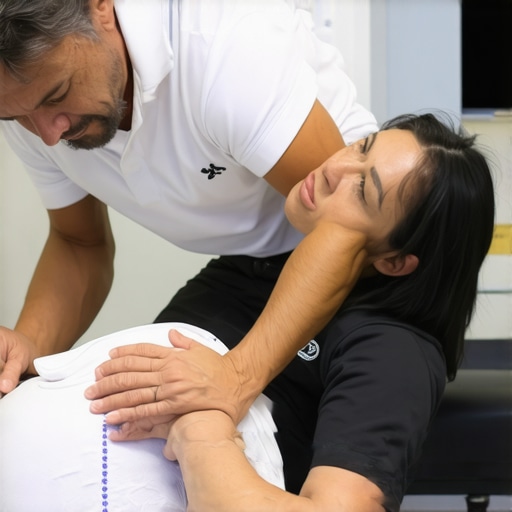
Have you ever fallen into this trap? Let me know in the comments and share your experience. For personalized advice or to explore tailored mobility routines, don’t hesitate to reach out. Remember, understanding the nuances can make all the difference in maintaining a healthy, pain-free spine.Maintaining your spinal health over time requires the right tools and consistent routines. One of my go-to devices is the *foam roller*, especially the textured variety, which I use daily to release muscle tightness and improve tissue mobility. Personally, I prefer the *Trigger Point GRID Foam Roller* because its grid pattern targets specific trigger points effectively, helping me control muscle knots that can pull my spine out of alignment. Incorporating regular foam rolling sessions into your routine can prevent recurring stiffness and support long-term mobility, as highlighted in detailed guides like this resource.Additionally, I recommend using resistance bands such as the *TheraBand* for active mobility work. I utilize these bands during daily exercises to strengthen stabilizer muscles around my hips and shoulders, which are crucial for postural support. Their versatility allows me to perform targeted movements that improve neuromuscular control, a practice supported by research in the link between mobility and posture.For assessing your progress, adopting apps like *Mobility Master* helps track flexibility improvements and guides personalized routines. These digital tools enable consistent monitoring, which is essential for adapting your program as you progress. Looking ahead, advances in biofeedback technology may soon offer real-time posture correction prompts, making maintenance even more intuitive and personalized. How do I maintain posture and mobility over time? Incorporating habits such as daily foam rolling, resistance training, and using digital tracking tools ensures sustained improvements. Remember, consistency is key: even the most advanced tools won’t work if neglected. Try dedicating five minutes each morning to targeted myofascial release with your foam roller and see how your body responds. For personalized recommendations and ongoing support, feel free to reach out.
Throughout my journey, I realized that the most valuable lessons often come from personal experience rather than textbooks. One thing that struck me hard was understanding that the glamour of high heels isn’t worth the hidden toll it takes on your spine. The biggest lesson I learned was to listen to my body’s signals before pain becomes a chronic issue. Investing in regular mobility routines and professional guidance can keep your posture healthy, even if you love those stylish shoes. Remember, a strong, balanced spine allows you to enjoy fashion without the pain—so prioritize techniques like targeted stretches and active mobility exercises to stay aligned and pain-free. Your spine’s health should never be the price you pay for looking great, and taking small daily steps can make a lifetime of difference.